Practical, evidence based guides to help you understand what is really in your food. We dig into food labels, additives, allergens and the nutrition claims that fill supermarket shelves, then translate the science into plain English. Whether you are managing a health condition, avoiding certain ingredients, or just trying to eat a little better, these articles help you make sense of it all and shop with confidence. New posts land regularly, so check back or follow along.

High Cholesterol in the UK: What Your Numbers Really Mean
Nearly half of UK adults have raised cholesterol with no symptoms at all. Here's what the numbers mean and what genuinely helps.


Probiotics and Fermented Foods: What Actually Works
UK shelves are full of kombucha, kefir and live yoghurt, but the word probiotic is barely allowed on any label. Here's what the evidence actually shows.

The 14 Major Allergens on UK Food Labels
Around 2 million people in the UK live with a food allergy. Here's what the 14 major allergens are, where they hide and how to read the label.

What's Really in Your Food? How to Decode UK Food Labels in 2026
Traffic lights, hidden salt and sugar claims. Here's how to read a UK food label properly, and what the 2026 rule changes mean for shoppers.

Underactive Thyroid and Diet: Myths Worth Retiring
Around one in twenty UK adults lives with an underactive thyroid. Here's what diet can genuinely help with, and which claims don't hold up.

Collagen Supplements: Does the Hype Match the Evidence?
A major 2026 review pooled 113 trials on collagen supplements. Here's what it found for skin, joints and your wallet.
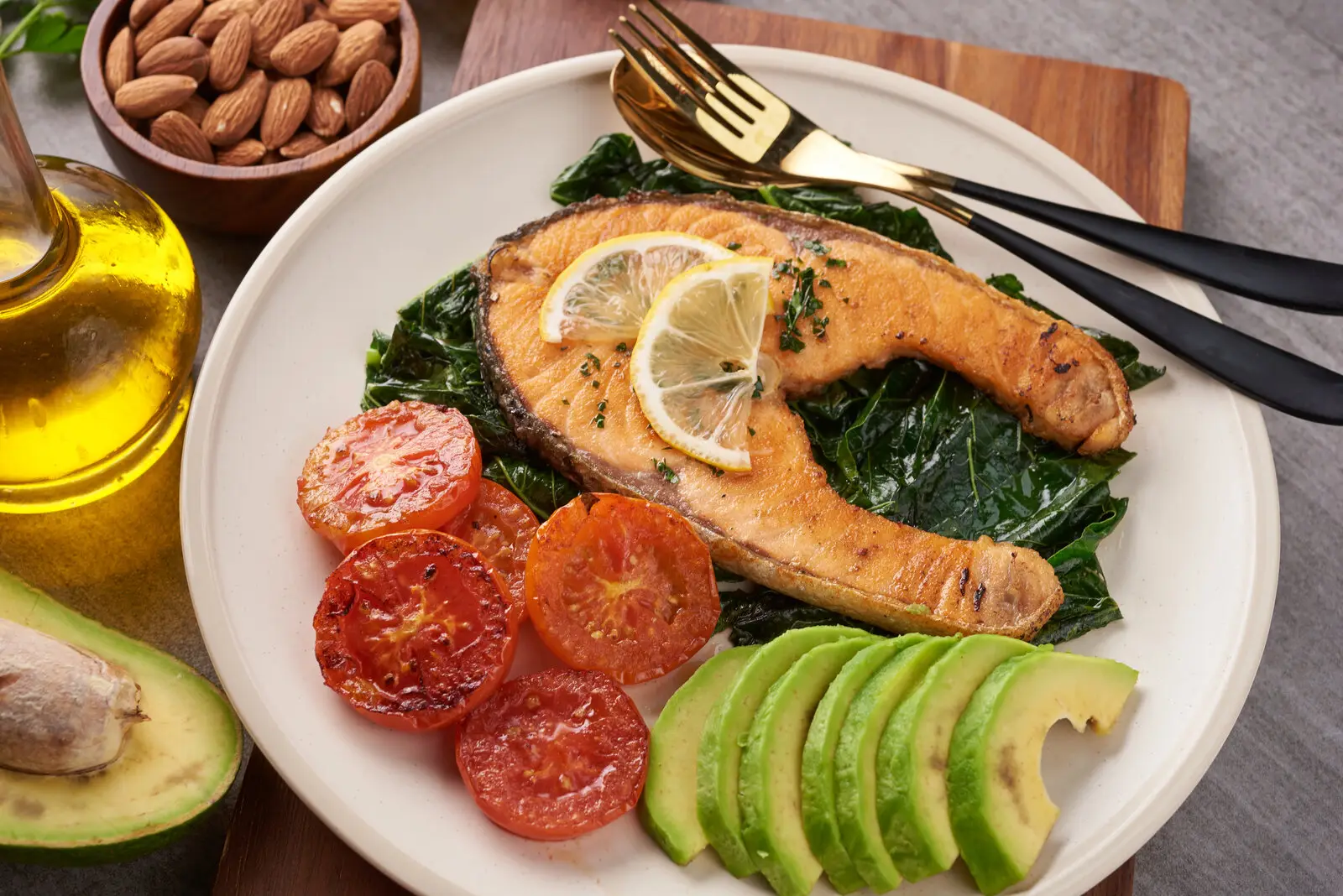
Gout and Diet: What Actually Helps and What's a Myth
Gout affects 1 in 40 UK adults. Here's what the evidence says actually helps, and which old advice is just a persistent myth.
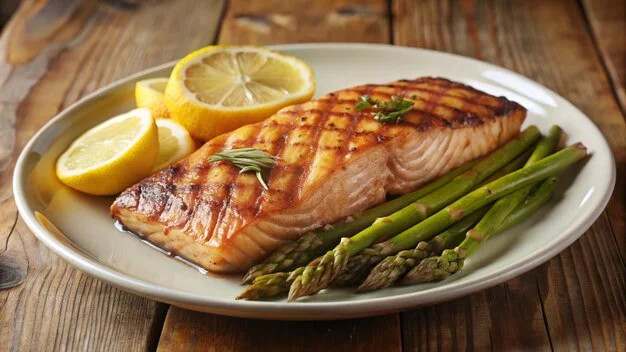
Omega-3 Supplements: What The Evidence Actually Shows
Fish oil is one of the UK's best selling supplements, but major trials say it won't protect your heart. Here's what actually works.

Vitamin B12 on a Plant Based Diet: What You're Missing
Up to half of vegans may be running low on B12. Here's what actually works, from fortified foods to supplements.

Why Creatine Is Having a Moment Beyond the Gym Floor
Creatine isn't only for bodybuilders. Here's what the evidence says about it for women, muscle, brain and everyday energy.
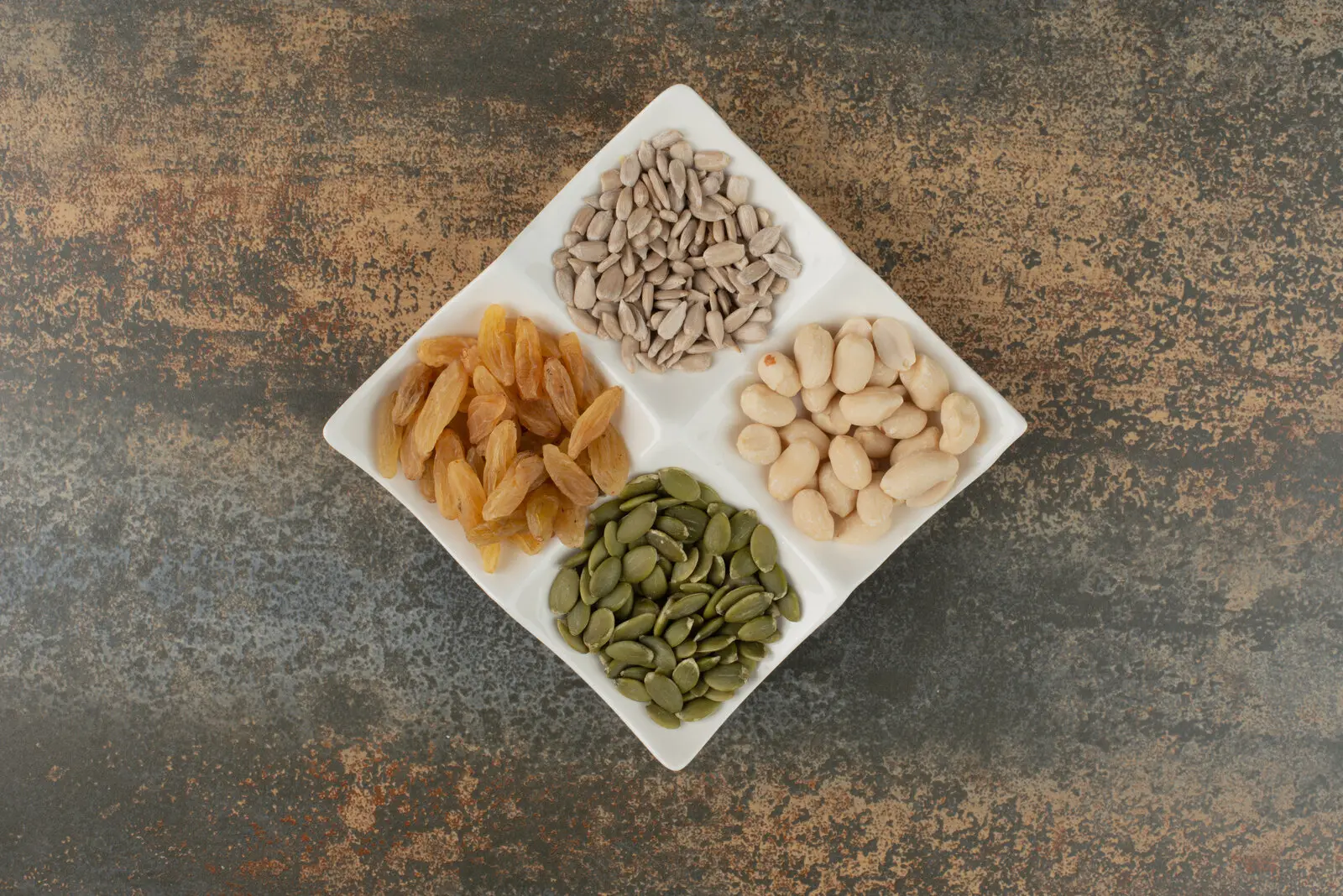
Magnesium and Sleep: Does the TikTok Hype Hold Up?
TikTok says magnesium glycinate fixes sleep and anxiety. Over two thirds of UK adults may fall short of it. Here is what the evidence says.

How Much Protein Do You Actually Need?
57% of UK shoppers are chasing protein, but most already get enough. Here's who actually needs more, and who doesn't.

PCOS Is Now PMOS: A UK Guide to Eating Well With It
PCOS was renamed PMOS in 2026. Here's what changed, and the UK dietitian backed diet advice that actually eases symptoms.

Vitamin D in the UK: Why So Many of Us Are Running Low
Nearly half of UK adults have low vitamin D. Here's what actually works, from sunlight and food to safe supplement doses.

Iron Deficiency and Diet: A UK Guide to Getting Enough
Nearly a third of UK women are low in iron. Here's what actually boosts absorption, and what quietly blocks it.

Menopause and Diet: A UK Guide to Eating Well Through It
13 million UK women are currently peri or post menopausal. Here's what the evidence says about eating well through it.

Type 2 Diabetes and Diet: A UK Guide That Actually Helps
1 in 4 UK adults now live with diabetes or prediabetes. Here's what the evidence says about food, blood sugar and remission.

Pregnancy Nutrition: A UK Guide to Eating Safely and Well
Most UK women don't get enough folate and vitamin D from diet alone in pregnancy. Here's what to eat, what to avoid, and why.

Eating With IBS: A UK Guide to Diet, FODMAPs and Fibre
Nearly one in five UK adults live with IBS. Here's what the evidence actually says about diet, fibre types and the low FODMAP approach.

Eating Well on Weight Loss Jabs
Weight loss jabs like Mounjaro and Wegovy curb appetite fast, but that can mean too little protein and fibre. Here's how to eat well on them.

E Numbers Explained: What UK Shoppers Need to Know
Most E numbers are harmless, but a few, like the Southampton Six and nitrites in bacon, have real evidence behind them. Here's what to actually watch for.

The Best Foods for Acid Reflux (And What to Swap Out First)
Around 1 in 4 UK adults deal with acid reflux regularly. Here's what the evidence actually says about which foods help, which ones trigger it, and why timing matters as much as the food itself.
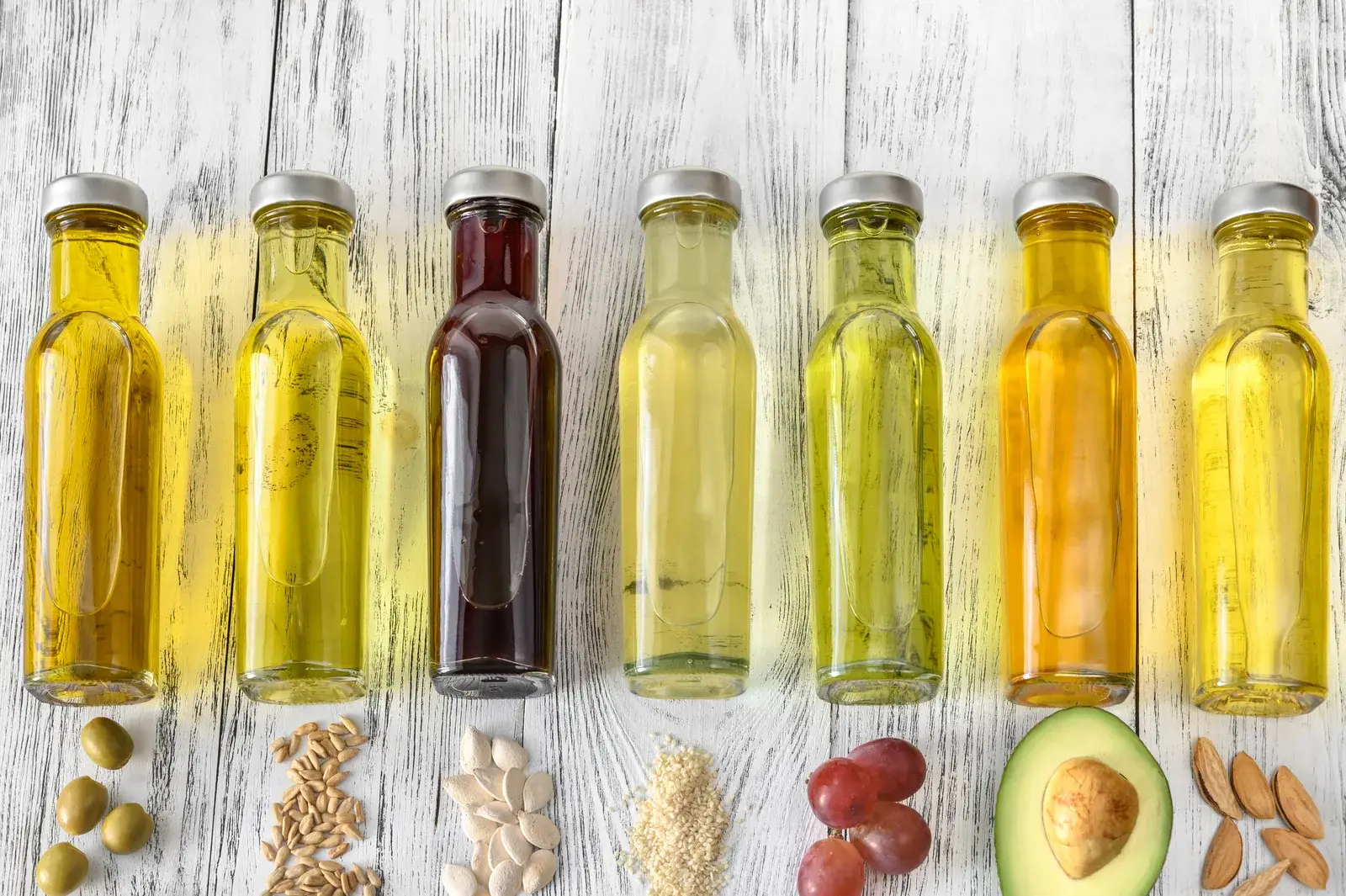
Seed Oils: What the Science Actually Says
Sunflower oil, rapeseed, corn oil. If you follow wellness content online, you have probably seen them demonised as toxic. But is the fear grounded in evidence, or is this another case of social media turning something complicated into a soundbite? We looked at what the research actually shows.

Britain's Salt Problem: The Everyday Foods Quietly Raising Your Blood Pressure
The average UK adult eats 40% more salt than recommended every single day, and most of it comes not from the salt shaker but from food they would never suspect. From breakfast cereal to bread, we look at where it is hiding and what you can do about it.
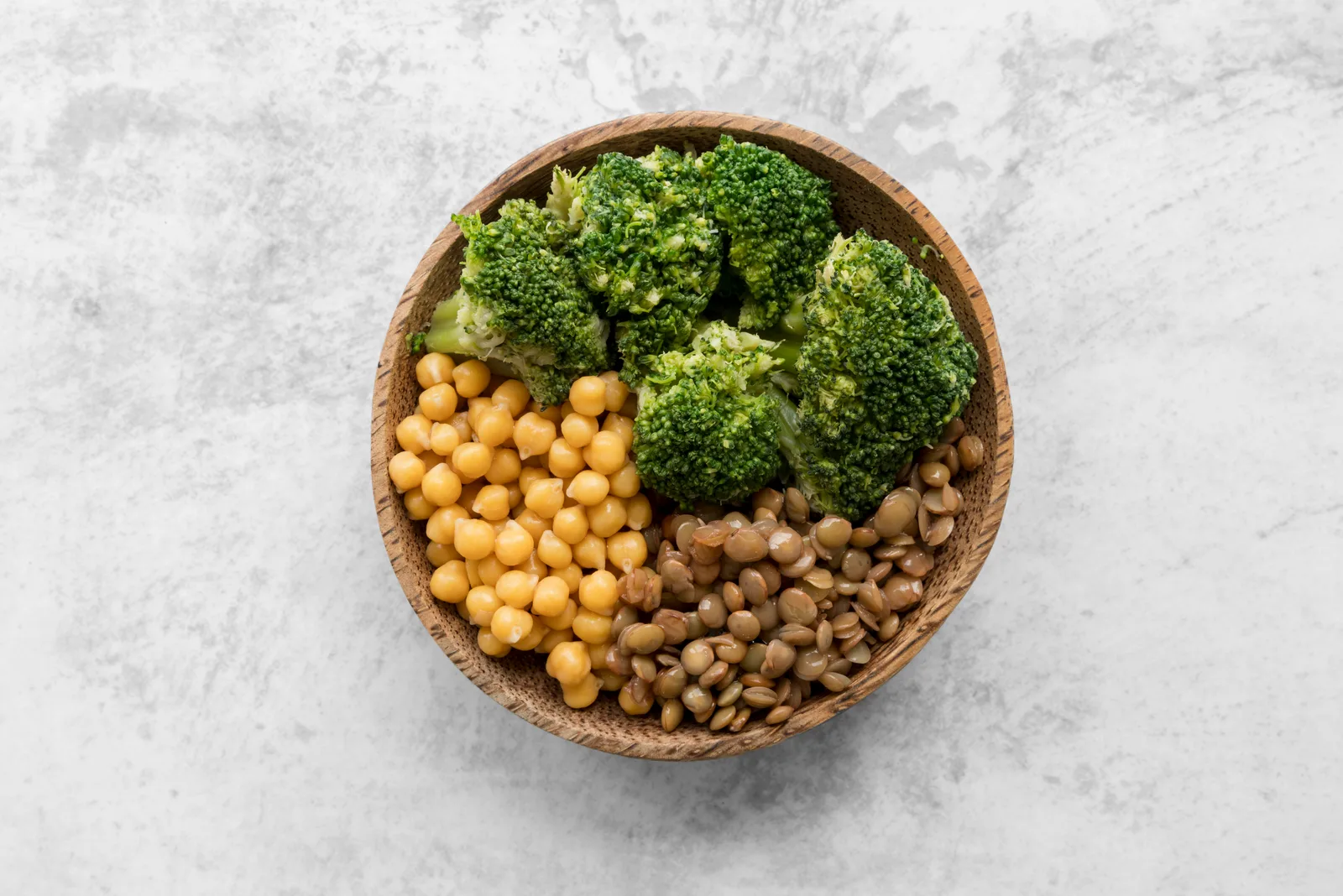
Fibremaxxing: The Gut Health Trend the UK Actually Needs Right Now
96% of UK adults don't eat enough fibre. Now a social media-born health trend is pushing back, and the research is firmly on its side. Here's what fibremaxxing is, why it matters for your gut, and how to actually do it.

Ultra-Processed Foods: Why UK Adults Can't Spot Them (And How to Change That)
A lot of UK adults know ultra-processed foods are harmful, but only a few can correctly recognise them. Here's what UPFs really are, why they're so hard to spot, and how to take back control
Loading articles…