
Open TikTok right now and there is a decent chance someone is stirring a fizzy "sleepy girl mocktail" into a glass, telling you it fixed their insomnia, their anxiety, their energy crashes and possibly their relationship with their alarm clock. The common ingredient behind almost all of it is magnesium, usually in its glycinate form. Videos tagged with magnesium have racked up close to a billion views between them, and search interest for magnesium glycinate has climbed steadily for the past two years.
It would be easy to write this off as another supplement fad. But magnesium is a genuinely interesting case, because the nutrition data backs up at least part of the story. A lot of us really aren't getting enough of it. What is far less settled is whether popping a magnesium capsule before bed actually does what TikTok claims. We looked at the UK intake figures, who is actually at risk of running low, and what the clinical trials say once you strip away the anecdotes.
Why everyone is suddenly talking about it
Magnesium itself is not new. It has quietly sat on pharmacy shelves for decades as a treatment for constipation and indigestion. What changed is the marketing. Wellness creators started pairing magnesium glycinate with claims about deeper sleep, calmer moods and steadier energy, often stacked alongside tart cherry juice or a splash of sparkling water as the "sleepy girl mocktail". The format travelled fast because it is cheap, easy to film and feels like a low effort life hack rather than a medical intervention.
That packaging matters, because it has pulled magnesium out of the pharmacy aisle and into the same conversation as protein powder and creatine, supplements people now take as part of a daily routine rather than to treat a diagnosed problem. Whether that is a good thing depends entirely on what the evidence actually shows, both about how common low magnesium really is and about what supplementing with it can and cannot do.
70%+ of UK adults may not be meeting the recommended daily intake of magnesium
Around 15% of women and 10% of men fall below the lower threshold that puts them at real risk of deficiency
What magnesium actually does in the body
Magnesium is involved in more than three hundred enzyme reactions, which is part of why a shortfall can show up in so many different, slightly vague ways. It helps muscles contract and relax properly, supports normal nerve function, keeps your heartbeat steady, contributes to bone structure and plays a role in how your body produces energy from food. It also has a hand in regulating the nervous system, which is the biological thread the sleep and anxiety claims are pulling on.
Most of the magnesium in your body, around 60%, is stored in bone, with the rest in muscle and soft tissue. Less than 1% circulates in your blood. That last point matters a lot for anyone trying to work out whether they are actually low, because it means the standard blood test most people get is a poor way to measure it.
How common is a shortfall in the UK
The official UK Reference Nutrient Intake for magnesium, set by the Scientific Advisory Committee on Nutrition, is 300mg a day for men and 270mg a day for women. National diet survey data suggests a meaningful slice of UK adults do not reliably hit that figure, and some more recent nutrition surveys put the proportion falling short of the fuller recommended intake at well over two thirds.
The gap between "technically deficient" and "not getting quite enough" is where most people sit. Outright deficiency, the kind that shows up on a blood test and causes obvious symptoms, is relatively uncommon in healthy adults eating a varied diet. Falling short of the optimal amount day after day, especially if you are in one of the higher risk groups below, is considerably more common and much easier to miss.
Type 2 diabetes
High blood sugar increases how much magnesium you lose through urine, and the condition itself is linked with lower magnesium levels.
Gut conditions
IBS, Crohn's, coeliac disease and other conditions that affect absorption can mean less magnesium gets taken up from food, even if your diet looks fine on paper.
Regular alcohol use
Alcohol increases magnesium loss through the kidneys and can reduce how well the gut absorbs it in the first place.
Older adults
Absorption naturally becomes less efficient with age, while kidney losses tend to increase, a combination that raises the risk of running low.
Perimenopause and menopause
Falling oestrogen increases how much magnesium is lost in urine, which is one reason this age group is often flagged as higher risk.
Certain medications
Long term use of proton pump inhibitors for reflux, and some diuretics, can lower magnesium levels over months or years.
The signs worth paying attention to
Because magnesium is involved in so many processes, the early signs of running low tend to be easy to put down to simply being tired or stressed. Worth noting these generally come on gradually rather than all at once.
- Muscle cramps, twitches or restless legs, particularly at night
- Persistent fatigue that does not improve with rest
- Low mood or increased irritability
- Headaches or migraines that seem to cluster together
- Poor sleep quality, including waking frequently through the night
- Pins and needles or numbness in the hands and feet
In more severe, prolonged deficiency, which is uncommon outside of specific medical conditions, symptoms can progress to muscle spasms, an irregular heartbeat and personality changes. If any of that sounds like you, the right move is a conversation with your GP rather than a trip to the supplement aisle, since several of those symptoms overlap with other conditions that need ruling out first.
Does it actually help with sleep and anxiety
This is where the TikTok version of the story and the research version start to pull apart. There is a genuine, well established link between magnesium status and sleep quality in observational studies, people with lower magnesium levels do tend to report worse sleep. The trouble is that observational links do not prove cause and effect, and the gold standard studies, randomised controlled trials where people are given either magnesium or a placebo, have produced much weaker and more mixed results.
A 2023 review of the evidence found an association between magnesium status and sleep quality in observational data, but the randomised trials testing supplementation directly did not show a clear, consistent improvement in sleep outcomes.

The anxiety claims sit on similarly thin ground. Some small trials suggest a modest benefit for mild anxiety symptoms, but the quality and size of that research is limited, and experts are generally reluctant to call it a reliable treatment on the evidence available so far. In 2024 the US National Center for Complementary and Integrative Health issued a public caution specifically about relying on magnesium as a sleep aid, noting the research simply is not strong enough yet to support the claims circulating online.
None of this means magnesium does nothing. If you are genuinely running low, correcting that shortfall through food or a sensible supplement is likely to help you feel better generally, and better sleep could well be part of that. What the evidence does not support is the idea that taking magnesium will meaningfully improve sleep or anxiety in someone whose levels are already adequate. For a lot of people reaching for it after a bad night, the benefit they notice may be coming from a calming bedtime routine, a placebo effect, or simply paying more attention to sleep in general, rather than the mineral itself.
Getting it from food first
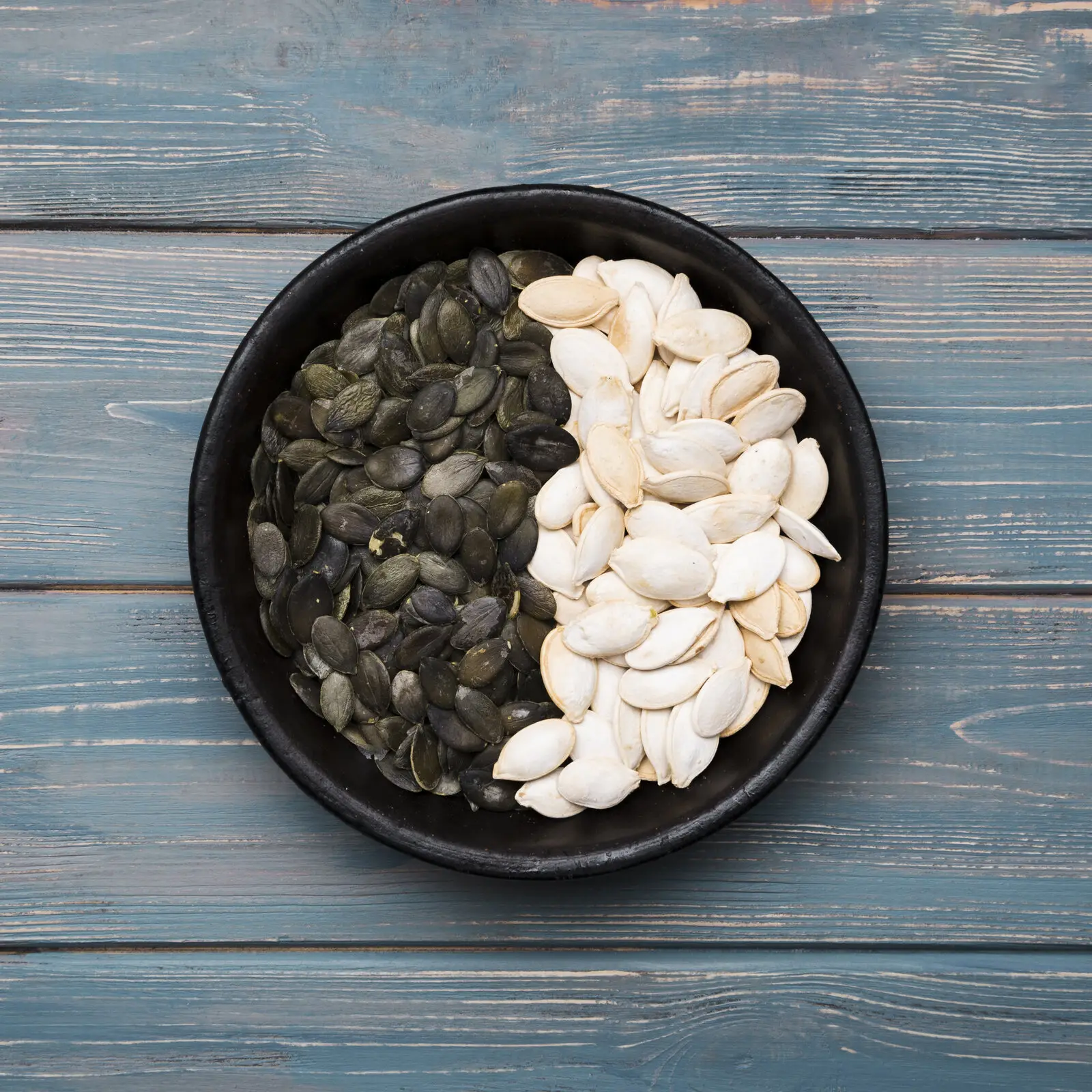
Before reaching for a supplement, it is worth looking at what is already on your plate. Magnesium is widely distributed across plant and animal foods, so a varied diet built around wholegrains, legumes, nuts, seeds and leafy vegetables will comfortably cover most people's needs without any extra spending.
| Food | Typical portion | Magnesium |
|---|---|---|
| Pumpkin seeds | 30g handful | ~150mg |
| Almonds or cashews | 30g handful | ~80mg |
| Spinach, cooked | 150g portion | ~120mg |
| Black beans | 100g | ~70mg |
| Porridge oats | 40g dry portion | ~55mg |
| Wholemeal bread | 2 slices | ~45mg |
| Dark chocolate (70%+) | 30g | ~65mg |
| Banana | 1 medium | ~32mg |
Swap white bread and rice for wholegrain versions, keep a bag of pumpkin seeds or almonds for snacking, and get a serving of leafy greens or beans into most days, and you will likely close most of the gap between what you eat and the recommended intake without buying a single supplement.
Swap refined grains for wholegrain versions
Wholemeal bread, brown rice and oats all carry far more magnesium than their white, refined equivalents.
Keep a jar of mixed seeds and nuts within reach
A small daily handful sprinkled on porridge, salad or yoghurt adds up fast.
Aim for a portion of leafy greens or pulses most days
Spinach, kale, lentils and beans are among the richest everyday sources.
Go easy on alcohol
Cutting back reduces how much magnesium you lose through the kidneys in the first place.
If you want to try a supplement
If you have spoken to a GP, ruled out other causes, and still think a supplement is worth trying, the form you choose makes a real difference. They are not interchangeable, and the cheapest option on the shelf is often also the least well absorbed.
| Form | Absorption | Worth knowing |
|---|---|---|
| Magnesium glycinate | High | Gentle on the stomach, the form most associated with the sleep and calm marketing claims |
| Magnesium citrate | Moderate to good | Well absorbed but has a mild laxative effect at higher doses |
| Magnesium oxide | Low | Cheap and common, but poorly absorbed and more likely to cause diarrhoea |
| Magnesium threonate | Moderate | Marketed heavily for brain and cognition claims, though the supporting evidence is still thin |
Whichever form you pick, check the label for the actual elemental magnesium content rather than the total compound weight, since that is the figure that counts towards your daily intake. In the UK, the Expert Group on Vitamins and Minerals advises that supplemental magnesium should not exceed 400mg a day, a level set because doses above that are more likely to cause osmotic diarrhoea and cramping. That limit applies to supplements only. Magnesium from food does not carry the same risk, because healthy kidneys simply filter out any excess.
Magnesium supplements can also interact with certain antibiotics and with medication for osteoporosis, generally by blocking how well your body absorbs the drug if taken too close together. If you take regular medication, or have kidney disease, speak to a pharmacist or GP before adding a supplement, rather than assuming it is automatically safe because it is sold over the counter.
Do I need a blood test before trying a supplement?
A standard blood test is a weak way to assess magnesium status because so little of it actually circulates in blood. It can still rule out other causes of your symptoms, so it is a reasonable starting point with your GP, but a normal result does not completely rule out a mild shortfall.
Can I get too much magnesium from food alone?
Essentially no. Healthy kidneys are very effective at clearing excess magnesium from food through urine, so toxicity from diet alone is extremely rare in people without kidney disease.
Is magnesium worth taking for exercise and muscle cramps?
If you train hard and sweat heavily, your magnesium needs may be slightly higher, and correcting a genuine shortfall can help with cramping. For people who are not actually low, extra magnesium has not been shown to meaningfully improve performance or prevent cramps on its own.
What is the best time of day to take it?
There is no strong evidence that timing changes how well it works. Taking it with food can reduce the chance of an upset stomach, and an evening dose is a reasonable, if largely psychological, fit with the wind down routines it is usually marketed alongside.
The Bottom Line
Magnesium is one of the rare TikTok trends with a real nutritional gap behind it, since a genuine share of UK adults do not get enough. Start by closing that gap with food, check with a pharmacist or GP before adding a supplement if you are on medication or have a health condition, and keep your expectations realistic. It may well help you feel steadier day to day, but it is not a proven fix for sleep or anxiety on its own.