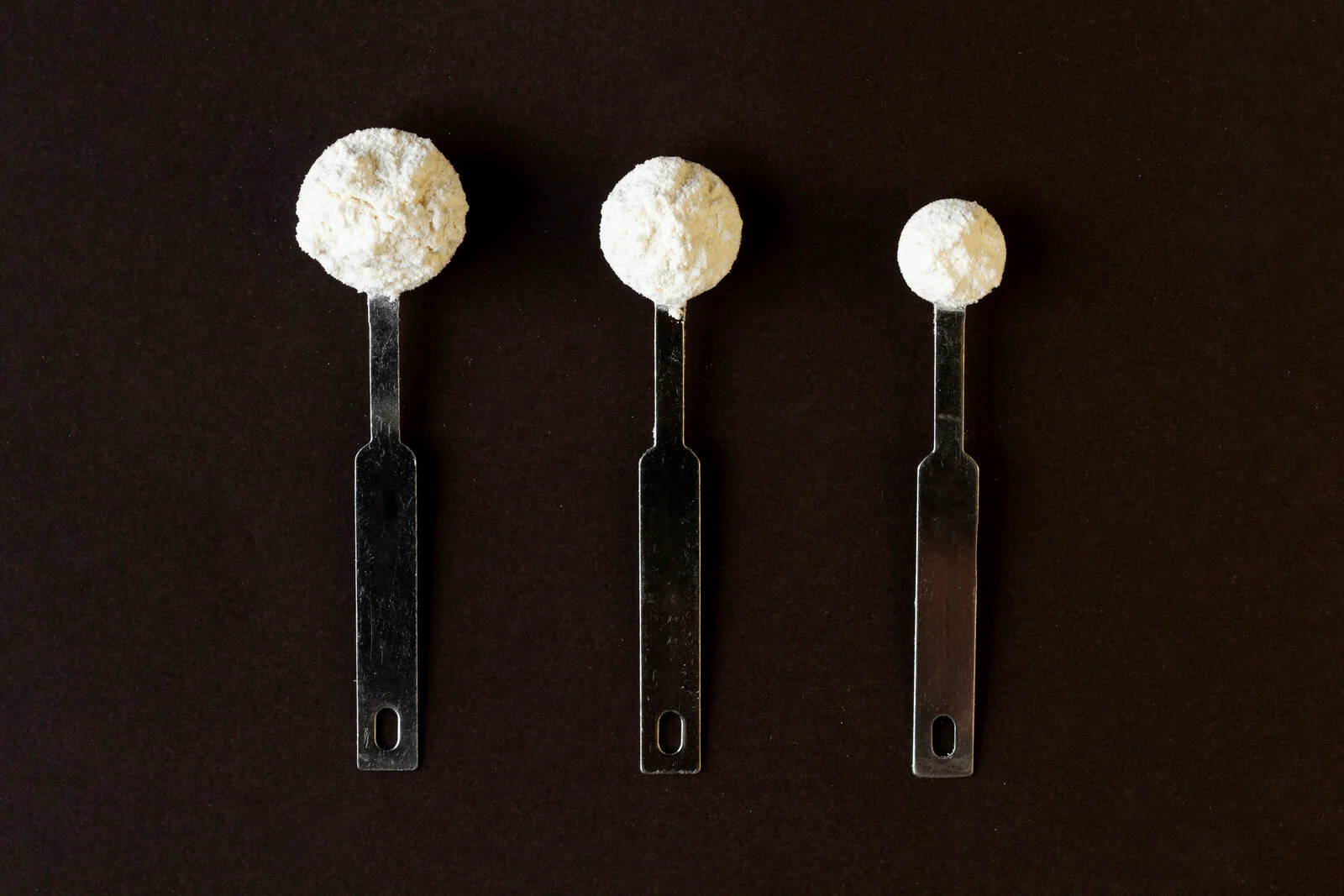

Ask most people what creatine is for and they will probably mention protein shakes, bulging biceps and gym changing rooms. For years that image was not far off the mark. But walk into any UK chemist or scroll through a wellness forum today and you will find something rather different going on. Midlife women asking about it for menopause symptoms. Vegetarians wondering if they are missing out on something important. Physiotherapists suggesting it to older patients who want to keep their strength. Creatine has quietly become one of the most studied substances in sports science, and the newest research has surprisingly little to do with lifting weights.
What creatine actually does in your body
Creatine is not a drug or a stimulant. It is a small molecule made from three amino acids, and your liver, kidneys and pancreas already produce a small amount of it every day. The rest comes from food, mainly meat and fish. Around 95% of the creatine in your body sits inside muscle tissue, with the remainder in the brain, where it plays a similar role.
Inside muscle cells, creatine is stored as phosphocreatine, which acts as a rapid backup battery for a molecule called ATP, the body's main energy currency. When you do anything short and intense, a sprint for the bus, a heavy set of squats, a sudden effort to catch something falling, your muscles burn through ATP faster than it can be made fresh. Phosphocreatine helps top it back up within seconds. More stored creatine means that system can keep firing for slightly longer before fatigue sets in.
The average adult holds around 120 grams of creatine in total and uses up roughly 1 to 2 grams of it a day through normal activity. Supplementing simply tops up that store faster and more fully than diet alone usually manages, particularly for people who eat little or no meat.
The research has moved on from the gym
Sports performance is still where creatine has the deepest evidence base, but it is no longer the only story. Because the brain also relies on phosphocreatine for quick bursts of energy, researchers have spent the last decade asking whether topping up the body's stores does anything for thinking, mood or mental fatigue, not just muscles.
Some of the clearest signals come from sleep deprived students and shift workers, groups whose brains are effectively running on empty for stretches of time. Several trials have given participants creatine before periods of little or no sleep and then tested memory, reaction time and mood. The supplemented groups generally held up better than those on a placebo, which fits the theory that a brain with fuller energy reserves copes better when it is under pressure, whether that pressure comes from exercise, poor sleep or simply a demanding week at work.
One area getting serious attention is the menopause transition. Oestrogen helps regulate how efficiently brain cells use energy, and when it drops, that system can become a little less efficient. A study published in the Journal of the International Society of Sports Nutrition in 2025 followed perimenopausal and postmenopausal women taking creatine monohydrate over several weeks and recorded improvements in measures of strength, body composition, cognitive performance, mood and sleep quality. It was a small study and not the final word on the subject, but it adds to a growing pile of early evidence that creatine may help support the brain specifically during the hormonal shifts of midlife, not only the muscles.

None of this means creatine is a replacement for HRT, antidepressants or a GP appointment about menopause symptoms. It simply means a cheap, well understood supplement that used to be filed under "bodybuilding" is now being looked at properly for brain health, and the early signs are promising enough that it is worth knowing about.
Who actually stands to benefit
Creatine is not only useful if you train hard five days a week. Different groups get different things out of it, and some see bigger improvements than others simply because they started with lower stores to begin with.
Gym goers and sporty types
The best studied group. Helps with repeated short bursts of effort such as sprinting, lifting and interval training, and supports faster recovery between sets.
Midlife and menopausal women
Early research links it to improvements in strength, cognitive performance, mood and sleep during the hormonal changes of perimenopause and beyond.
Vegetarians and vegans
Plant foods contain almost no creatine, so this group typically starts with the lowest stores and tends to see the largest, fastest improvements once they supplement. A 2020 systematic review found that vegetarians who supplemented saw rises in muscle creatine, strength and measures of memory and general cognitive performance, often ending up higher than meat eaters who had never supplemented at all.
Older adults
Combined with resistance exercise, creatine has been studied for helping preserve muscle mass and strength as part of healthy ageing.
20 to 30% lower muscle creatine stores are typically seen in vegetarians compared with meat eaters
Which is one reason this group often shows the biggest response once they start supplementing
How much to take and when
The dosing advice for creatine has settled down a lot over the years, and the current approach is refreshingly simple.
Skip the loading phase if you want to
Older protocols used 20 grams a day for a week to saturate muscles quickly. It works, but it is not necessary. A steady 3 to 5 grams daily gets you to the same place within about four weeks.
Take 3 to 5 grams, every day
Consistency matters far more than timing. Taking it with a meal can help if you have a sensitive stomach.
Stick with creatine monohydrate
It is the most researched form by a wide margin, the cheapest, and newer versions marketed as better absorbed have not been shown to outperform it for most people.
Mix it into water, squash or a smoothie
It dissolves slowly and can leave a slight grit at the bottom of the glass. That is completely normal and has no effect on how well it works.
Give it a few weeks before judging it
Muscle stores build up gradually. Most people do not notice a dramatic difference in the first few days, and that is expected.
Supermarket shelves and online shops are increasingly stocked with creatine gummies, flavoured drinks and newer forms such as creatine hydrochloride or buffered creatine, often marketed as gentler on the stomach or better absorbed. So far, none of these have been shown in head to head research to outperform plain creatine monohydrate for the price, so there is little reason to pay a premium for them unless you specifically struggle with the taste or texture of the powder.
Getting creatine from food, if you would rather not supplement
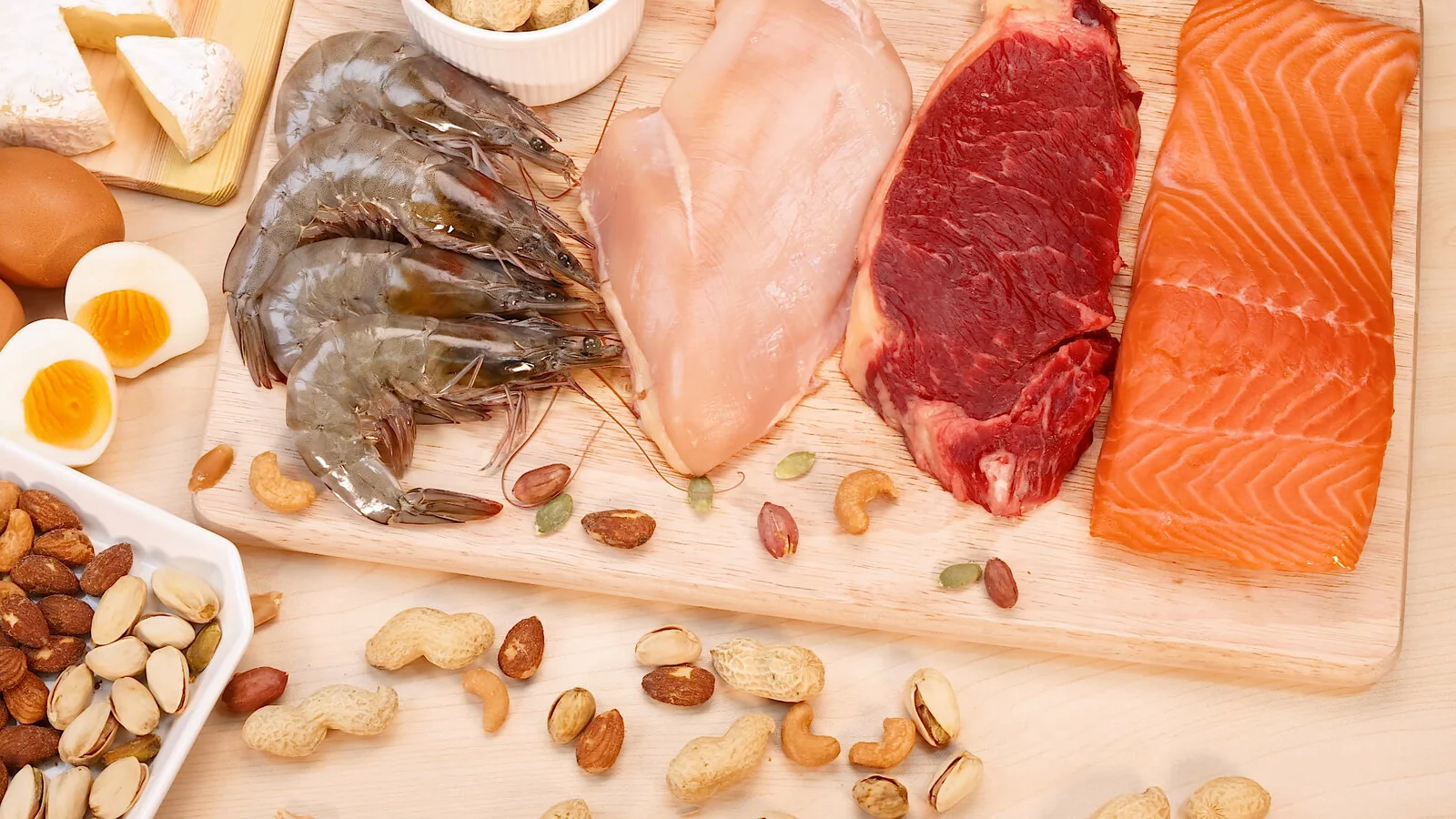
If you eat meat and fish regularly, you are already getting some creatine from your diet, though usually not enough to maximise your stores the way supplementing does. Cooking also reduces the amount somewhat, so raw figures overstate what actually ends up on your plate.
| Food (per 100g, uncooked) | Approximate creatine |
|---|---|
| Herring | 0.65 to 1.0g |
| Pork | around 0.5g |
| Beef | around 0.45g |
| Salmon | around 0.45g |
| Cod | around 0.3g |
| Milk | trace amounts only |
| Fruit, vegetables, grains and pulses | negligible or none |
To hit even a modest 3 gram daily dose from beef alone, you would need to eat around 600 to 700 grams of it, every single day. That is neither realistic nor sensible as a long term habit, which is exactly why supplementing is so popular among vegetarians, vegans and anyone who simply does not eat much red meat or fish.
Is it safe? What about the kidneys?
The kidney question comes up more than any other, so it is worth tackling properly.
Does creatine damage your kidneys?
In people with healthy kidneys, there is no good evidence that standard doses cause damage. The International Society of Sports Nutrition's position statement on creatine, based on decades of research including studies running up to five years, has not found evidence of harm in healthy people. The confusion often comes from the fact that creatine supplementation slightly raises a blood marker called creatinine, which doctors normally use to check kidney function. That rise reflects more creatine being processed, not kidney damage, though it is worth mentioning to a doctor if you are already being monitored for kidney disease, diabetes or high blood pressure.
Will I just end up holding onto water weight?
Some water retention in the muscles is normal in the first week or two, particularly if you do a loading phase. This is fluid being pulled into muscle tissue, not fat, and it usually settles down. Starting with a steady 3 to 5 grams a day instead of loading tends to make this far less noticeable.
Can I take creatine while pregnant or breastfeeding?
There is not enough safety data on supplementing during pregnancy or while breastfeeding to recommend it confidently either way. The sensible approach is to speak to your midwife or GP before starting anything new during this time, rather than relying on general advice online.
Is it only for adults?
Most of the safety and performance research has been done in adults. Young athletes have been studied in supervised settings, but for under 18s the general advice is to focus on food first and only consider supplementing with professional guidance, rather than picking it up casually.
The Bottom Line
Creatine has outgrown its reputation as a bodybuilding powder. The evidence now points to a cheap, thoroughly studied supplement with genuine potential for muscle, brain and energy support across a much wider range of people, especially women, vegetarians and older adults. A normal balanced diet still comes first, and it is always worth a quick word with your GP if you take other medication or have an existing health condition, but for most healthy adults this is one of the rare supplements where the science genuinely backs up the hype.