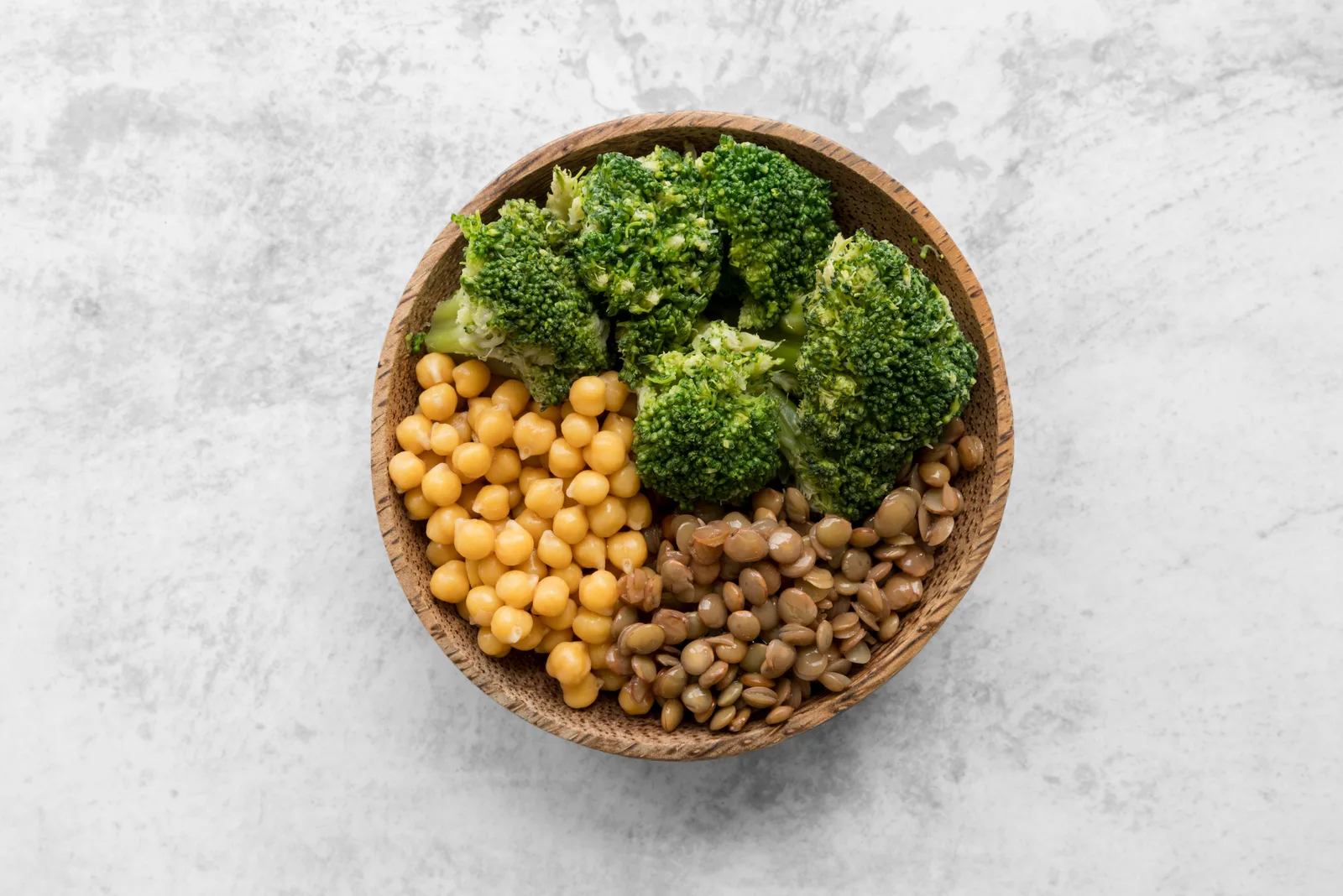

If you've spent any time on health-focused social media recently, you've probably come across the word "fibremaxxing." It sounds like another fleeting wellness trend, the kind that promises everything and delivers nothing. But this one is different. Unlike many viral diet concepts, fibremaxxing is backed by decades of nutritional science, and the gap it's trying to close is very real.
According to the UK's National Diet and Nutrition Survey, 96% of UK adults don't eat the recommended 30g of fibre per day
The average intake is just 18g, barely 60% of what we need.
That's a huge gap between what our bodies need to function well and what most of us are actually eating. The consequences for our gut, our heart, our immune system and even our mental health are well-documented.
What Is Fibremaxxing?
The term blends "fibre" with "maximising". The idea is that you intentionally increase both the amount and variety of fibre in your daily diet, though it's less about hitting a single magic number and more about diversifying your plant intake.
Fibremaxxing isn't just about eating more bran flakes. It's about eating a wider range of plant foods, ideally aiming for what researchers now call the 30 Plants Challenge: consuming 30 different plant foods per week.
Here are a selection of the different groups included in the 30 plants challenge:
Vegetables
- Broccoli
- Spinach
- Carrots
- Onions
- Garlic
Fruits
- Apples
- Berries
- Bananas
- Oranges
- Pears
Legumes & Grains
- Lentils
- Chickpeas
- Oats
- Brown rice
- Quinoa
Herbs, Seeds & Nuts
- Chia seeds
- Flaxseed
- Walnuts
- Fresh herbs
- Spices
The 30-plant figure comes from the American Gut Project, a large citizen science study of over 10,000 participants across the US, UK and Australia. Its findings were striking: people who ate 30 or more different plant foods per week had significantly more diverse gut microbiomes than those who ate fewer than 10. And a more diverse microbiome, the research consistently shows, is one of the best predictors of long-term health.
Why the UK Has a Fibre Problem
The UK's fibre shortfall isn't down to ignorance. Most people know, in a general sense, that fibre is good for them. But several factors conspire against us actually eating enough of it.
Ultra-processed food dominates our plates
Over 50% of UK adults' daily calories come from ultra-processed foods. By definition, these products have been stripped of much of their original fibre during manufacturing. A white bread roll, a flavoured yogurt, a packet of crisps. Each one represents a missed opportunity for plant diversity.
We've swapped variety for convenience
The average UK household rotates through the same eight to ten meals repeatedly. Even those with reasonably balanced diets tend to rely on the same handful of vegetables week after week. Carrots, peas, and iceberg lettuce simply can't deliver the microbiome diversity that 30 different plants per week provides.
Confusion about what counts as fibre
Many people associate fibre exclusively with bran cereals, brown bread, and roughage. In reality, fibre encompasses soluble fibre (found in oats, apples, legumes), insoluble fibre (found in wholegrains and vegetables), resistant starch (found in cooled cooked potatoes, green bananas, lentils), and prebiotics (found in garlic, onions, leeks, asparagus). Each type feeds different communities of gut bacteria, which is exactly why plant variety matters as much as total quantity.What Your Gut Microbiome Does and Why Diversity Matters
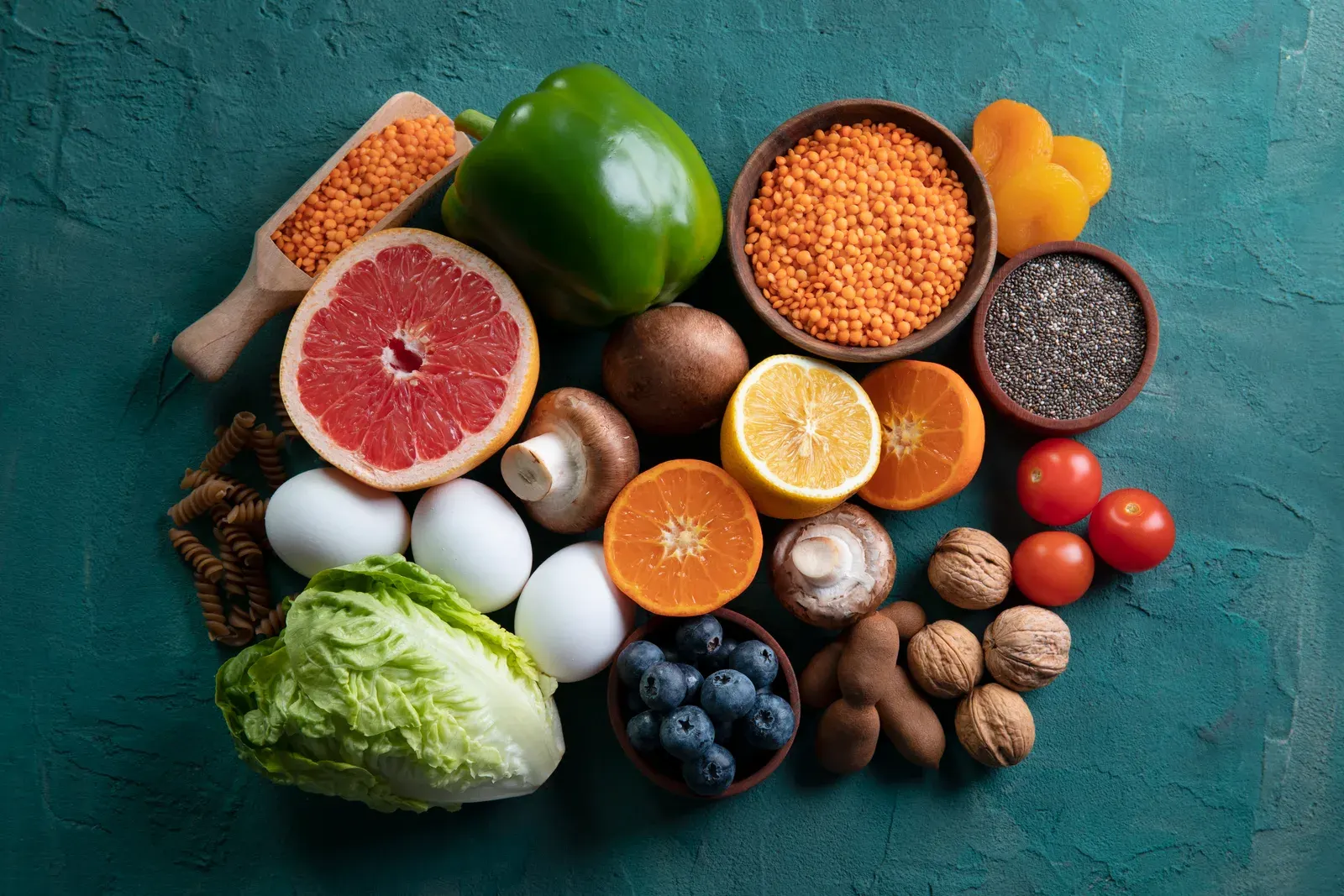
A healthy, diverse microbiome is associated with:
Reduced risk of chronic disease, including type 2 diabetes, cardiovascular disease, and several cancers. A 2025 umbrella review found dietary fibre to be a protective factor against pancreatic and ovarian cancer, as well as all-cause mortality.
Stronger immune function.
Approximately 70% of your immune system lives in your gut. The bacteria there educate immune cells and help regulate inflammatory responses. According to the British Dietetic Association, fibre increases beneficial bacteria which actively supports your immunity against inflammatory disorders and allergies.
Better mental health.
The gut-brain axis is real, and the research is compelling. Short-chain fatty acids produced when bacteria ferment fibre influence neurotransmitter production, including serotonin. Most of it is produced in the gut, not the brain.
Improved metabolic health.
Gut bacteria influence how efficiently you extract energy from food, how sensitive you are to insulin, and how hunger hormones are regulated. This is one reason why high-fibre diets are so consistently associated with healthy body weight over the long term.
The dietary fibre market globally is predicted to grow at a compound annual growth rate of 7.2% between 2026 and 2033, a clear signal that both consumers and industry are finally waking up to what researchers have known for decades.
The 30 Plants Challenge: Does It Actually Work?
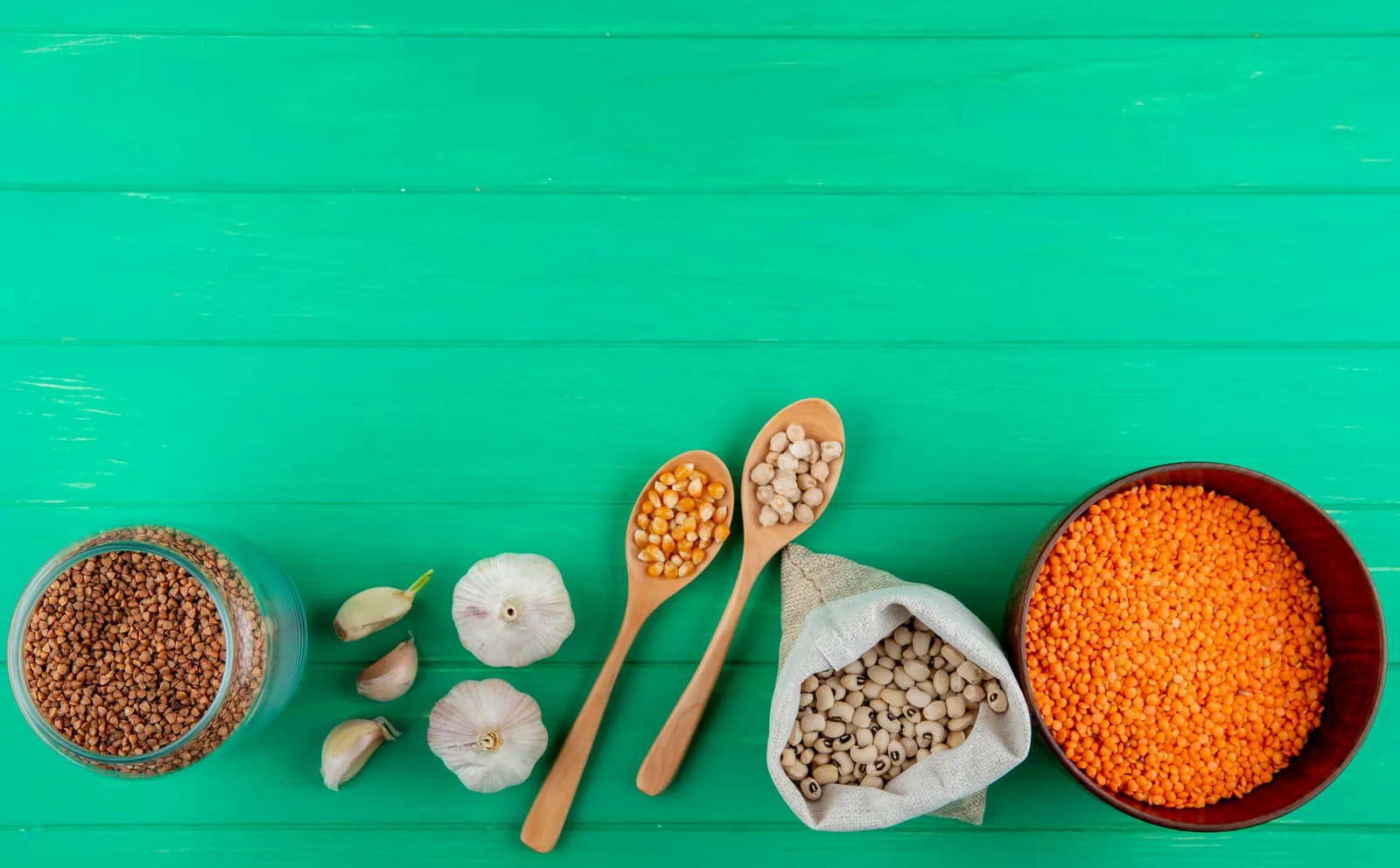
For many people, "30 plants per week" sounds overwhelming. It isn't, once you understand how to count.
Every distinct plant food counts as one point. A pinch of cumin in your lentil soup is one. The fresh coriander on top is another. Swap white rice for a mix of brown rice and quinoa. That's two instead of one. Add a handful of walnuts to your porridge. That's one more. You'd be surprised how quickly they accumulate when you start looking.
An important nuance from recent research: even people who don't quite hit 30 plants per week still see significant gut health benefits compared to low-diversity eaters. The goal isn't perfection. It's consistent movement in the right direction.
A 2024 randomised controlled trial found that a diverse, high-fibre plant-based dietary intervention over just eight weeks improved gut microbiome composition, reduced gut symptoms, and improved both energy levels and hunger regulation in healthy adults.
The critical insight: it's not just about eating more fibre. It's about eating different fibres. Different plant foods contain different types of fibre, which feed different families of gut bacteria. Oats feed one community; garlic feeds another; lentils feed another still. Variety is the mechanism itself, not merely a nice-to-have bonus.
What 30g of Fibre Actually Looks Like in a Day
The recommended 30g per day isn't unachievable, but it does require some intentionality. Here's a realistic example of how it adds up without expensive ingredients or hours of cooking:
Breakfast
Total Fiber: 13g
- Porridge with oats (4g),
- Tablespoon of chia seeds (5g)
- Sliced banana (2g)
- Handful of raspberries (2g)
Lunch
Total Fibre: 10g
- Wholemeal bread (4g)
- Hummus (2g)
- Sliced avocado (3g)
- Handful of rocket (1g)
Dinner
Total Fiber: 8g
- Lentil soup with onion, garlic, celery and tinned tomatoes (8g)
Snack
Total Fiber: 1.5g
- A small handful of mixed nuts and seeds (1.5g)
5 Easy Fibremaxxing Swaps to Start Today
You don't need to overhaul your diet overnight. These five swaps are small enough to be sustainable and significant enough to make a real difference:
White rice → brown rice, or half-and-half with lentils.
Doubling plant diversity and adding resistant starch in one move, and the texture blends seamlessly.
Flavoured yogurt → plain Greek yogurt with fresh fruit and seeds.
You cut ultra-processed additives, add two or three plant points, and keep the protein hit.
Crisps as a snack → a small handful of mixed nuts and an apple.
Swapping an ultra-processed snack for fibre, polyphenols and plant diversity in one go.
Pasta with jarred sauce → pasta with homemade tomato and lentil sauce.
Add one tin of green lentils - you've just added 8g of fibre and a new plant food for the week.
Pick up one new plant food each week.
Choose one vegetable, grain or legume you've never bought before. Over months, this single habit builds extraordinary diversity without feeling like effort.

A Note on Going Too Fast
One consistent finding across the research: dramatically increasing fibre intake too quickly can cause bloating, gas and digestive discomfort. Your gut bacteria need time to adapt to new food sources and to build the enzymatic machinery to ferment unfamiliar fibres effectively.
The advice from dietitians and gut health specialists is consistent: increase fibre gradually over two to four weeks, drink plenty of water (fibre needs hydration to work effectively), and don't be put off by a week or two of adjustment. Your microbiome is literally rebuilding itself. It takes a little time, but the long-term payoff is well worth it.
96% of UK adults are eating too little fibre. The consequences show up as poor digestion, sluggishness, elevated disease risk and a gut microbiome that simply isn't doing the job it's designed to do. The good news is that unlike many dietary changes, increasing fibre diversity is cheap, accessible and supported by a mountain of evidence going back decades.
Start with the swaps. Aim for variety before volume. Build the habit slowly. And if you want to know which products in your weekly shop are actively working against your fibre goals, scanning a barcode with Bite Insight tells you in seconds exactly what's inside, so you can make choices that work for your body.
The Bottom Line
Fibremaxxing isn't a trend. It's a correction. After decades of fibre being stripped out of our food supply by ultra-processing and convenience culture, it's coming back. And the science couldn't be clearer about why that matters.