


IBS

Check a label for common IBS trigger ingredients while you shop

Scan the barcode with Bite Insight, a free app for UK supermarket food, and it marks ingredients often linked to IBS symptoms, like garlic, onion, wheat, lactose, inulin and sorbitol. You also get digestive load, fibre and additives ratings. It doesn’t measure FODMAP levels, and triggers differ from person to person, so it can’t tell you what you’ll react to.

Understanding your IBS triggers
should not be this hard

Food labels list ingredients, not how they affect your gut. Knowing which processed foods contain hidden FODMAP triggers takes specialist knowledge most people simply do not have.

0
Of people worldwide have IBS, by the highest estimate

Guts UK puts it at somewhere between 4 in 100 and 1 in 10 people around the world. Twice as many women as men are diagnosed.

0
Of people with IBS report food-related symptoms

That’s Guts UK’s figure. Working out which foods, and how much of them, usually takes a food and symptom diary and some patience.

0
Of people with IBS mainly get constipation (IBS-C)

Guts UK says about a third have IBS-C and another third have IBS-D, with diarrhoea. Fibre advice is different for each, so one rule for everyone rarely works.

Quick guide

How to check a food label for IBS triggers in the aisle

UK labels don’t show FODMAPs. The ingredients that often bother people with IBS, like garlic powder, inulin or sorbitol, sit in the small print, sometimes under names you wouldn’t guess. The app can read them for you, or you can check the pack yourself.

With Bite Insight

Let the app read the small print

  1. Add IBS to your health profile

    Do it once when you sign up, or later in settings. You’ll be asked whether you have IBS-C, IBS-D or mixed, or you can pick I’m not sure. Your answer is saved, but scan results are the same whichever type you choose.

  2. Scan the barcode

    You get three ratings: digestive load, fibre and additives. Under Flagged ingredients, anything often linked to IBS gets a red cross, such as garlic, onion, wheat, whey or sorbitol. Tap one to see why. If a product has no fat figure, the digestive load rating is left out.

Scan your first product free
Your digestive load rating
  • Low
  • Moderate
  • High
  • Very High

Worked out from fat and fibre per 100g. It isn’t a FODMAP score.

Checking the pack yourself

Four checks on the back of the pack

Look for onion and garlic in every form

Cambridge University Hospitals’ low FODMAP leaflet says to check for onion and garlic as powder, extract, purée or salt. They turn up in flavoured crisps, gravy, ready meals, pasta sauces, soups and stock cubes. The word ’flavouring’ can hide them too.

Watch for polyol sweeteners

Most end in -ol, like sorbitol, mannitol, xylitol and maltitol. Isomalt is one too. The NHS says polyols can have a laxative effect in large amounts, and suggests avoiding sorbitol if you get bloating or diarrhoea. If added polyols make up more than 10% of a product, the pack has to carry a warning.

Check for added fibres

Inulin, chicory root, FOS and oligofructose can be added to foods sold as high fibre, such as some bars and cereals. The same leaflet lists them as fructans to watch for. For fibre in general, the NHS says cutting down on wholegrains, nuts and seeds may help diarrhoea, while more soluble fibre like oats may help constipation.

Glance at the fat figure

The NHS says spicy or fatty food can set off a flare-up, and advises against eating lots of it. On a UK label, more than 17.5g of fat per 100g counts as high and 3g or less counts as low. Bite Insight’s digestive load rating uses the fat figure too.

Gluten-free doesn’t mean low FODMAP

Gluten-free products are usually wheat-free, but Cambridge University Hospitals points out they can still contain apple juice, honey, inulin or garlic. Guts UK says there’s little evidence that a gluten-free diet helps IBS. It also says not to try an exclusion diet like low FODMAP on your own. Only do it if a dietitian recommends it.

Where to look on a UK label

Onion and garlic

Where to find it
Ingredients list
What to look for
Onion or garlic powder, extract, purée or salt. In savoury foods, ’flavouring’ can include them.

Added fibres (fructans)

Where to find it
Ingredients list
What to look for
Inulin, chicory root, FOS (fructo-oligosaccharides), oligofructose

Sugars high in fructose

Where to find it
Ingredients list
What to look for
Honey, fruit juice concentrate, high fructose corn syrup

Polyol sweeteners

Where to find it
Ingredients list, plus a warning on the pack if added polyols are over 10%
What to look for
Sorbitol, mannitol, xylitol, maltitol, isomalt, and the line ’excessive consumption may produce laxative effects’

Milk and lactose

Where to find it
Ingredients list, where milk is shown in bold as an allergen
What to look for
Lactose, whey, milk solids, buttermilk, skimmed milk powder. Only limit these if lactose bothers you.

Fat

Where to find it
Front-of-pack traffic light (if shown) and the back table
What to look for
NHS bands per 100g: more than 17.5g is high, 3g or less is low.
Under the hood

How Bite Insight works this out

Digestive load is Bite Insight’s own rating. It adds together the fat and fibre per 100g on the label, so the more of both a food has, the higher it goes, from Low to Very High. It doesn’t measure FODMAPs and it isn’t a clinical score. There are no official UK bands for it, unlike the NHS traffic lights for fat. FODMAP-type ingredients are handled separately. The app reads the ingredients list and marks matches like garlic, inulin or sorbitol as harmful.

Bite Insight gives general food information, not medical advice. Digestive load is the app’s own rating, not a FODMAP score, and a red cross on an ingredient doesn’t mean you’ll react to it. The NHS says to see your GP if you’ve had symptoms for more than 4 weeks, and to ask for an urgent appointment or call NHS 111 if you notice bleeding from your bottom or lose a lot of weight for no reason. Your GP may refer you to a dietitian.

Built around your condition

Bite Insight does not give everyone the same results. Set your IBS profile once and every scan is filtered through your specific needs.

Digestive load Very High

Digestive load rating

When the label gives a fat figure, you get a Low, Moderate, High or Very High digestive load rating, worked out from the fat and fibre per 100g. It’s a rough guide to how rich a food is, not a FODMAP score.

Important for you
Additives
E407, E433 High
Fibre
0.8g/100g Low

Personalised IBS warnings

Tell Bite Insight you have IBS and it marks ingredients often linked to IBS symptoms with a red cross. That includes garlic, onion, wheat, lactose, inulin and sweeteners like sorbitol, plus additives such as carrageenan. It’s free on every scan.

Flag feature preview, decorative

Flag your personal trigger foods

plus

Add your own ingredients to avoid, like apple or chickpeas. Whenever one turns up in a product you scan, Bite Insight shows an orange Flagged card so you can check the pack before buying.

Feature spotlight

See the digestive load before you buy

For IBS, digestive load is the first rating you see after a scan. It adds up the fat and fibre per 100g, so richer foods score higher. It doesn’t measure FODMAPs. The ingredient flags handle those.

Low Little fat and fibre per 100g
Moderate Some fat and fibre. Worth thinking about portion size
High A fair amount of fat and fibre for its weight
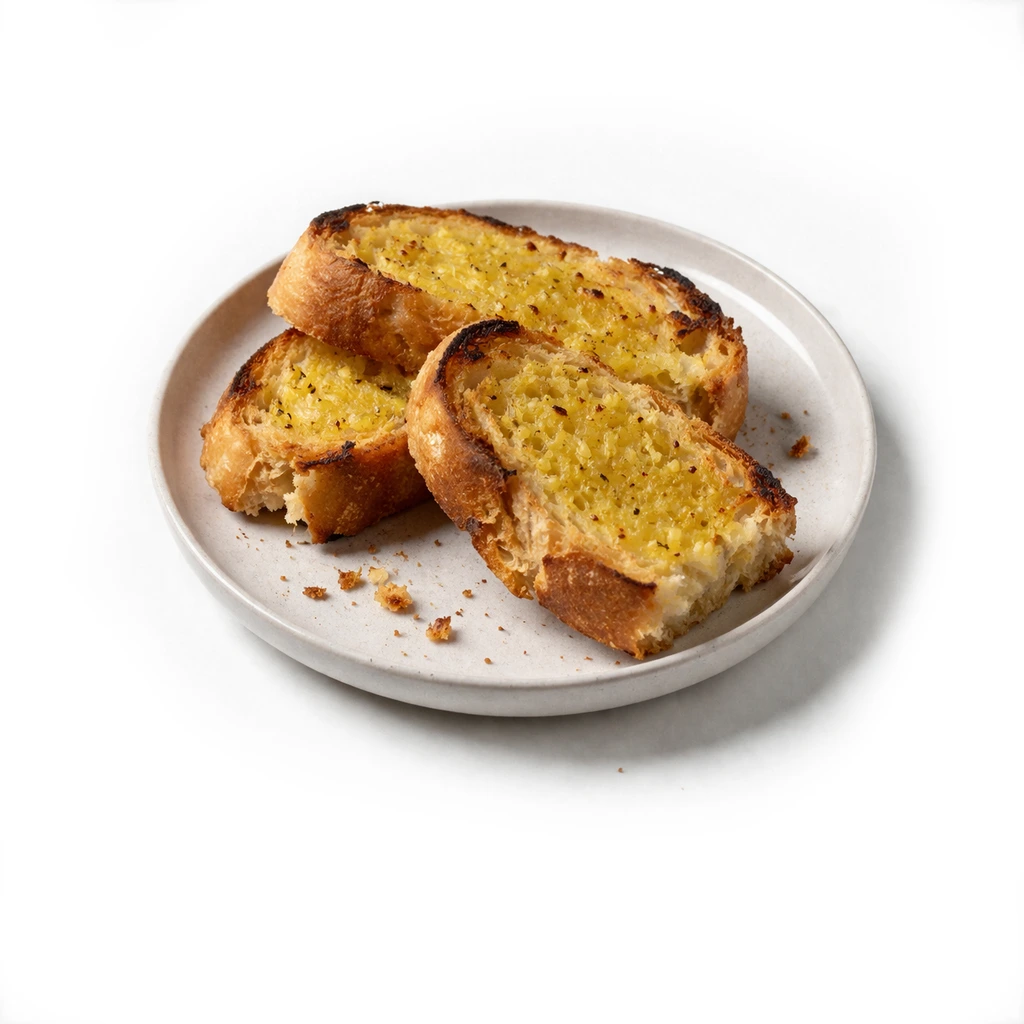
Very High A lot of fat and fibre per 100g, like garlic bread or nut bars
Digestive load rating showing the Low level

From scan to confidence in seconds

No more spending hours trying to decode ingredients lists.

Scanning a food product barcode with a smartphone

Scan the label

Point your camera at any food barcode or label. In the supermarket, at home, or eating out.

Bite Insight app showing personalised IBS nutrition breakdown

Get your insights

Bite Insight checks the product against your IBS profile. You see digestive load, fibre and additive ratings, IBS ingredient flags, and anything you’ve flagged yourself with Bite Insight+.

Making a confident, informed food choice

Shop with confidence

Make food decisions that are right for you, not based on trial and error or guesswork.

Real experience

“I spent two years trying to work out what was causing my flare-ups. Bite Insight made it so much easier to see what was in products without spending ten minutes on every label. I have finally started making real progress with understanding my triggers.”

Sarah

IBSManaging it for 4 years

Start free. Upgrade when you’re ready.

The core tools for managing IBS are completely free. Digestion impact ratings, personalised warnings, and full ingredient breakdowns on every scan.

Select a version

Everything you need to start making better food choices with IBS.

Bite Insight includes

Digestion impact indicator Easy, Be Mindful, Possible Trigger, Common Trigger

Personalised IBS warnings based on your condition profile

Full ingredient breakdown on every scan

200,000+ UK food and drink products including popular restaurants

Free

No subscription or payment details required.

Get the free app

Extra tools for people who want deeper control over what goes in their basket.

Bite Insight+ includes

Flag specific trigger foods to always avoid
Family profiles so you can scan for others too
Global barcode scanning
Access to over 4.9 million products worldwide
Plan your meals for the week with the meal planner
Plus everything in the Free version
£3.99/ month

Subscription renews automatically. Cancel anytime.

Upgrade to Bite Insight+

Common questions

About using Bite Insight with IBS.

Yes. Bite Insight is a free UK app that scans a product’s barcode and marks ingredients often linked to IBS with a red cross, such as garlic, onion, wheat, lactose, inulin and sorbitol. It also rates digestive load, fibre and additives. It can’t tell you which of these you personally react to, and it doesn’t measure FODMAPs, so read the pack too. Look for onion or garlic powder, ’flavouring’ in savoury foods, and the polyol warning about laxative effects. A dietitian can help you work out your own triggers.

Cambridge University Hospitals’ low FODMAP leaflet lists the ones to check for. Onion and garlic in any form, including powder, extract and salt. Added fibres like inulin, chicory root, FOS and oligofructose. Honey, fruit juice concentrate and high fructose corn syrup. Sweeteners such as sorbitol, mannitol, xylitol, maltitol and isomalt. Lactose only matters if you don’t absorb it well. Guts UK says not to try a low FODMAP diet on your own, so ask your GP about seeing a dietitian.

It depends on your symptoms. The NHS says cutting down on high-fibre wholegrains, nuts and seeds may help if you have diarrhoea. For constipation, it suggests more soluble fibre, such as oats, pulses, carrots and linseeds, and plenty of water. Guts UK says about a third of people have IBS-C and another third IBS-D, so the right answer varies. Bite Insight shows a fibre rating whenever the label gives a fibre figure, but the rating doesn’t change with your IBS type.

Yes. You add IBS to your health profile when you sign up, or any time in settings. Every scan then checks the product against it. Ingredients often linked to IBS, such as garlic, onion, wheat, lactose, inulin and sorbitol, are marked as harmful, and you get digestive load, fibre and additives ratings.

Digestive load adds together the fat and fibre per 100g on the label. The more of both, the higher the rating, from Low to Very High. It isn’t a FODMAP score and doesn’t look at ingredients. High FODMAP ingredients are picked up separately, in the Flagged ingredients list.

Not directly. There’s no symptom or trigger diary in the app, though it does keep a history of what you’ve scanned. The NHS suggests keeping a food and symptom diary to find your triggers. Once you know them, Bite Insight+ lets you flag those ingredients, and they’re highlighted whenever they show up in a product you scan.

Partly. The IBS profile flags many high FODMAP ingredients. That covers lactose sources like milk and whey, fructans like garlic, onion, wheat, inulin and FOS, polyols such as sorbitol, mannitol and xylitol, and fructose sources like honey and high fructose corn syrup. It doesn’t reliably catch galactans in beans and pulses. It also doesn’t give a FODMAP score or know how much of an ingredient is in a product.

No. Bite Insight provides educational food insights to help you make more informed choices at the point of purchase. It is not a substitute for advice from your GP, gastroenterologist, or dietitian. If you are following a low FODMAP elimination diet under medical supervision, use Bite Insight to support that process rather than replace it.