

If you have polycystic ovary syndrome, or PCOS, you might have missed a quiet but significant piece of news this year. In May 2026, a global panel of clinicians and patient groups, writing in The Lancet, officially renamed the condition. It is now called PMOS, short for Polyendocrine Metabolic Ovarian Syndrome. The change is not just a rebrand. It reflects something dietitians and endocrinologists have been saying for years: this condition has very little to do with cysts, and everything to do with hormones and metabolism, especially how your body handles insulin. That distinction matters enormously when it comes to food, because it means diet is not a side note in managing PMOS. It is one of the most powerful tools you have.
This guide walks through what the name change actually means, what is happening in the body, and what the evidence says works when it comes to eating with PMOS, whether you were diagnosed decades ago under the old name or are only just starting to piece your symptoms together now.
PCOS to PMOS: what actually changed
For more than thirty years, polycystic ovary syndrome was defined largely by what showed up on an ultrasound: small follicles on the ovaries that were often mistakenly called cysts. But as Professor Helena Teede of Monash University, who led the fourteen year international consensus process, has explained, there is actually no increase in abnormal cysts on the ovary in this condition. The name was, in short, misleading, and it left many women confused about what was actually wrong with them and why period problems, acne, hair changes and weight struggles were all connected to their ovaries.
The new name, Polyendocrine Metabolic Ovarian Syndrome, was agreed after more than 14,000 survey responses from patients and clinicians across the world, with 56 patient and professional organisations involved in the process. It puts the emphasis where the science actually points: on hormone regulation and metabolism, with the ovaries as one part of a much bigger picture that also touches weight, mental health, skin and long term metabolic risk.
1 in 10 women in the UK live with PCOS, now renamed PMOS
That is roughly 170 million women worldwide, according to the global consensus behind the name change
The rename will be rolled out gradually, with full adoption expected by the 2028 international guideline update. You may well hear both names used interchangeably for the next couple of years, including by GPs, so do not worry if your notes still say PCOS. It is the same condition, just described more accurately.
What is actually going on in your body
Whichever name your clinic uses, the underlying biology is the same, and it centres on a hormone most people only think about in connection with diabetes: insulin. Between 35% and 80% of people with the condition have some degree of insulin resistance, meaning the body needs to produce more insulin than usual to keep blood sugar levels steady. That is true across a wide range of body sizes, including many people who are not overweight at all.
Raised insulin does two things that matter for symptoms. First, it pushes the ovaries to produce more testosterone, which is behind many of the symptoms people associate most strongly with the condition, including irregular or absent periods, acne, and extra hair growth on the face or body. Second, it drives hunger and cravings, particularly for quick carbohydrates, which can create a frustrating cycle where the very foods that spike insulin the most are also the foods the body is pushing you towards.
This is exactly why diet sits at the centre of managing PMOS rather than at the edges. Improving insulin sensitivity through food does not just support a number on the scale. It can genuinely ease period irregularity, skin symptoms and long term risk of type 2 diabetes and heart disease, both of which are more common in people with this condition.
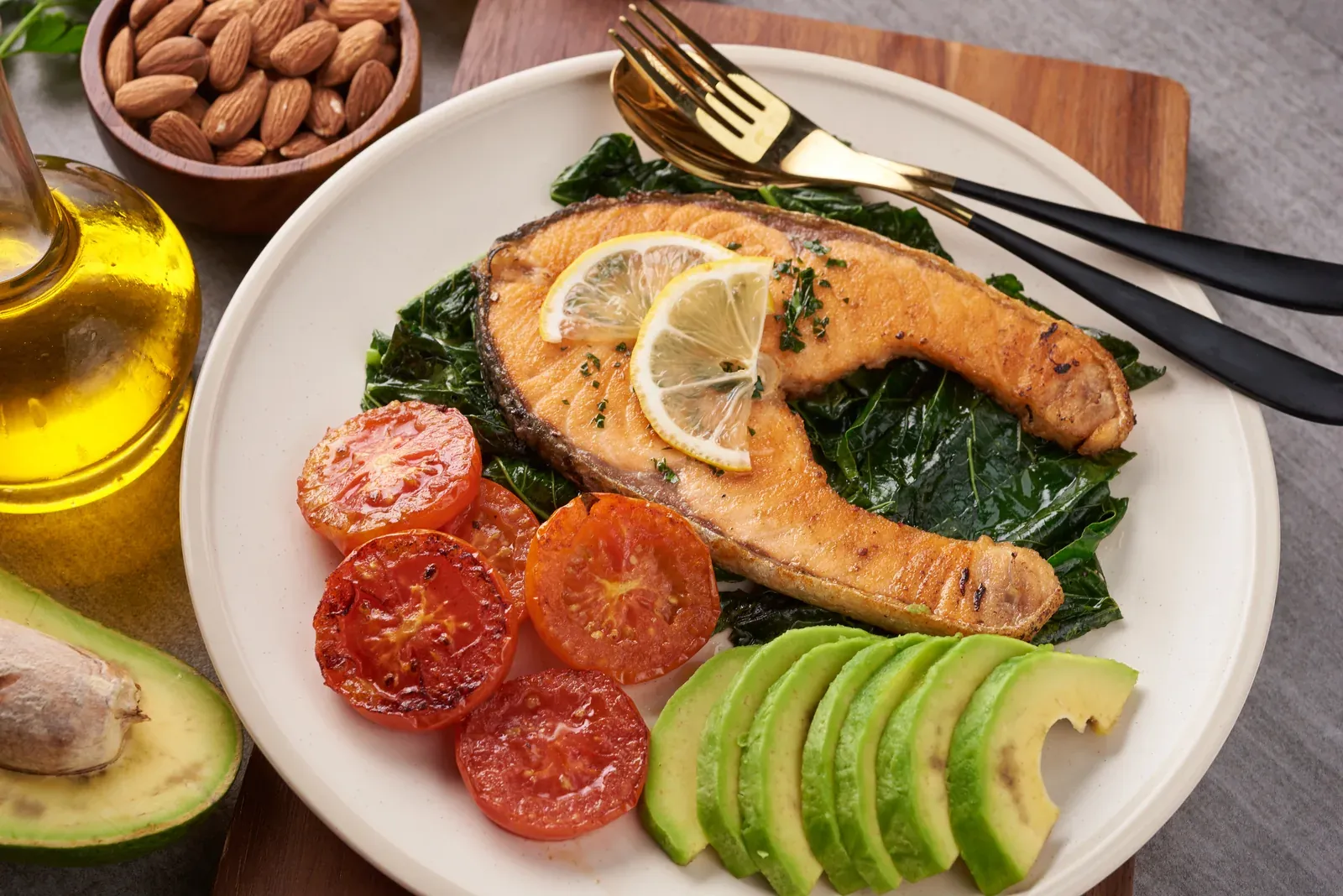
Insulin resistance is inherent in PCOS regardless of body weight, and managing it early is one of the most effective things you can do for symptoms and long term health.
The diet approach with the strongest evidence
There is no single official "PMOS diet", and be wary of anyone selling one as a strict, one size fits all plan. What the British Dietetic Association and NHS dietitians actually recommend is closer to a set of principles than a rulebook, built around keeping blood sugar and insulin steady across the day.
Build meals around
Low and moderate GI carbohydrates
Foods that release sugar slowly
- Oats and wholegrain bread
- Brown rice and wholewheat pasta
- Pulses, beans and lentils
- Most fruit and vegetables
Add to every meal
Protein and healthy fats
Slows digestion and blunts insulin spikes
- Eggs, fish, chicken, tofu
- Greek yoghurt
- Nuts, seeds and olive oil
- Avocado
Eat little and often
Regular, balanced meals
Prevents the blood sugar dips that trigger cravings
- Do not skip breakfast
- Aim for 3 meals plus 1 or 2 snacks
- Pair carbs with protein, always
Keep to a minimum
Refined carbs and sugary drinks
Cause the sharpest insulin spikes
- White bread, white rice
- Sugary cereals and pastries
- Fizzy drinks and fruit juice
- Highly processed snacks
None of this requires cutting out entire food groups. In fact, restrictive diets are actively discouraged by UK dietitians, partly because they are hard to sustain and partly because PMOS is already linked to a higher risk of disordered eating patterns. The aim is a plate that keeps you fuller for longer and steadies your blood sugar, not a list of forbidden foods.
Do low carb or ketogenic diets help?
Some NHS trusts do mention very low carbohydrate approaches, including ketogenic style eating, as an option for improving insulin resistance, and some people find it helps their symptoms considerably. But it is not the only route to the same result, and it is not right for everyone, particularly if you have a history of restrictive eating, are trying to conceive, or simply find it unsustainable. A moderate, low GI approach delivers similar insulin benefits for most people without the same all or nothing pressure, so think of very low carb eating as one option among several rather than the gold standard.
What about weight?
Not everyone with PMOS is overweight, and if you are in a healthy weight range already, weight loss is not the goal here at all, food quality is. But for those who are carrying excess weight, the evidence on this point is worth knowing because it is more encouraging than it might sound.
The number that matters
A modest goal, a meaningful result
body weight loss can meaningfully improve PMOS symptoms
of women with the condition show some insulin resistance
Losing just 5% of body weight, for someone with a BMI above 25, has been shown to ease symptoms including irregular cycles and excess hair growth, largely because it improves how sensitive the body is to insulin. For a 12 stone woman, that is around half a stone. It is a genuinely realistic target, and far more achievable, both physically and mentally, than the drastic transformations often promised online.
Supplements worth knowing about
You will come across a lot of supplement marketing aimed specifically at PCOS and PMOS, and it is worth separating the evidence based options from the noise.
What does the evidence say about inositol?
Myo inositol is the best studied supplement for this condition. It works in a similar way to insulin inside cells, and a 2024 systematic review used to update the international PCOS guidelines found it improved insulin resistance and helped restore regular ovulation for many women. It is generally considered safe, but speak to your GP or a dietitian before starting it, particularly if you are also taking metformin or trying to conceive.
Should I take vitamin D?
Low vitamin D is common across the UK population generally, but it appears even more frequently in people with PMOS, and some research links it to worse insulin resistance. The standard UK advice of 10 micrograms a day, particularly through autumn and winter, applies here as it does for everyone.
What about omega 3?
Oily fish, or an omega 3 supplement if you do not eat fish, may help with the raised triglyceride levels sometimes seen alongside insulin resistance. It is not a symptom fix on its own, but it fits naturally into the wider low GI, higher fibre way of eating already recommended.
Do I need folic acid?
If you are trying to conceive, folic acid is recommended in the same way it is for anyone planning a pregnancy, regardless of whether you have PMOS. Speak to your GP about the right dose for you.
None of these replace a GP or dietitian conversation, and none of them work as well in isolation as they do alongside the food pattern already described. Think of supplements as fine tuning, not a foundation.
Putting it into practice this week
Overhauling how you eat overnight rarely lasts. These are the changes UK dietitians tend to recommend starting with, roughly in order of impact for effort.
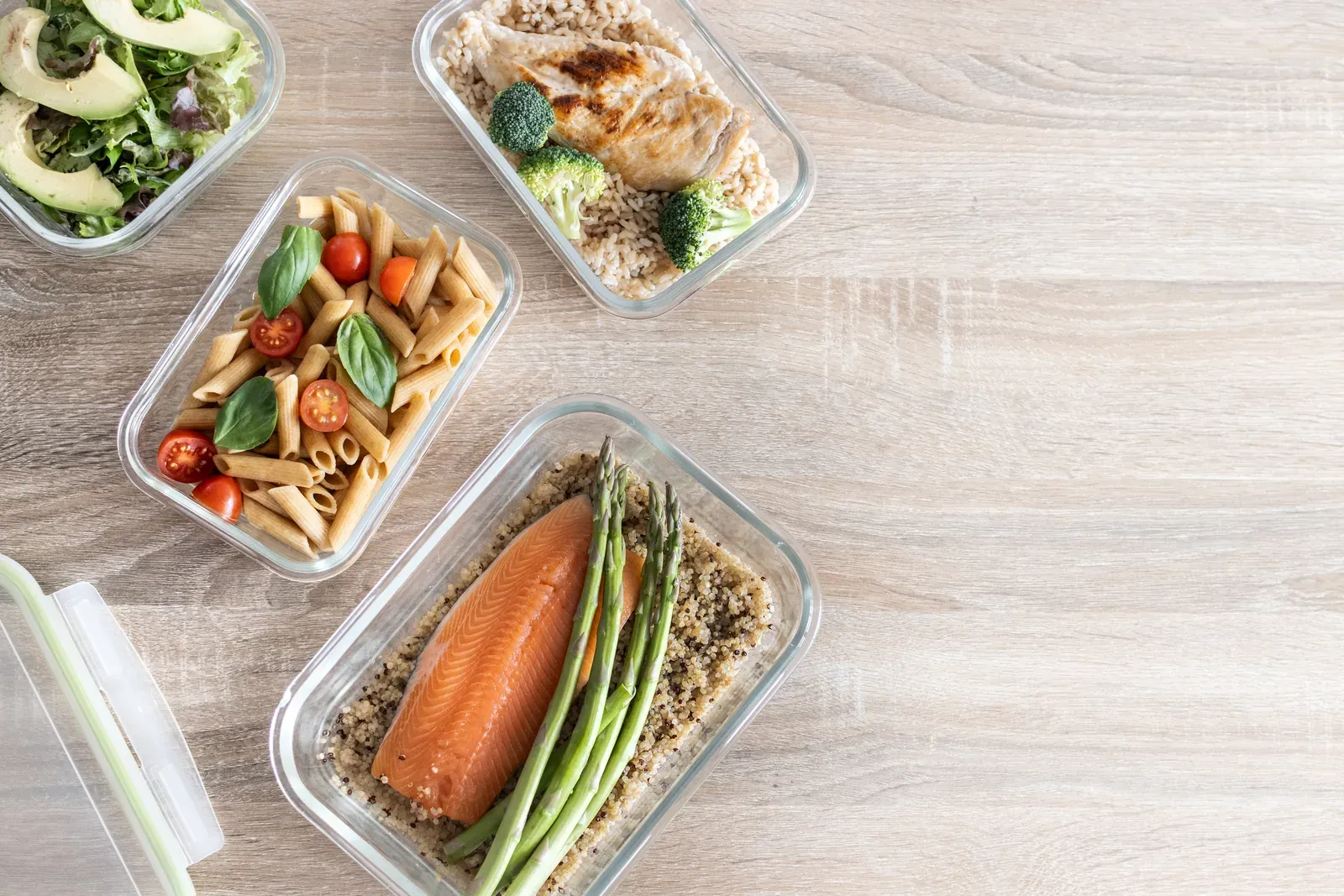
Never eat carbs alone
Add a source of protein or fat to every meal and snack, from a boiled egg with toast to nuts with fruit.
Swap one refined carb a day
White bread to wholegrain, white rice to brown, sugary cereal to porridge with berries.
Eat on a rhythm
Three meals and a snack or two, spaced fairly evenly, rather than skipping meals and eating a large one late.
Build a fibre habit
Beans, lentils, vegetables and wholegrains slow digestion and feed the gut bacteria linked to better insulin sensitivity.
Move after eating
A ten minute walk after a meal measurably lowers the blood sugar spike that follows it.
Common questions
Is PMOS the same condition as PCOS?
Yes. PMOS, Polyendocrine Metabolic Ovarian Syndrome, is simply the new, more accurate name for the condition previously called polycystic ovary syndrome, agreed by global consensus in The Lancet in May 2026. Nothing about the diagnosis or its management has changed, only the terminology.
Can diet alone put PMOS into remission?
Diet will not cure PMOS, since it is a hormonal condition with a genetic and metabolic basis. But for many women, changing how and what they eat measurably reduces symptoms, particularly period regularity and skin changes, by improving insulin sensitivity. It is one part of management alongside medical care, not a replacement for it.
Do I have to avoid dairy and gluten?
There is no strong evidence that dairy or gluten need to be avoided for PMOS unless you have a separate intolerance or coeliac disease. Cutting them out without a diagnosed reason tends to make eating harder without a clear symptom benefit.
The Bottom Line
PMOS, still widely known as PCOS, is a hormonal and metabolic condition, not an ovarian one, and food is one of the most effective tools you have for managing it. Focus on regular, balanced meals built around low GI carbohydrates, protein and fibre, rather than restriction, and treat any weight loss goal as a modest 5%, not a total overhaul. Small, steady changes to how you eat, kept up over months rather than days, tend to beat any dramatic short term plan.