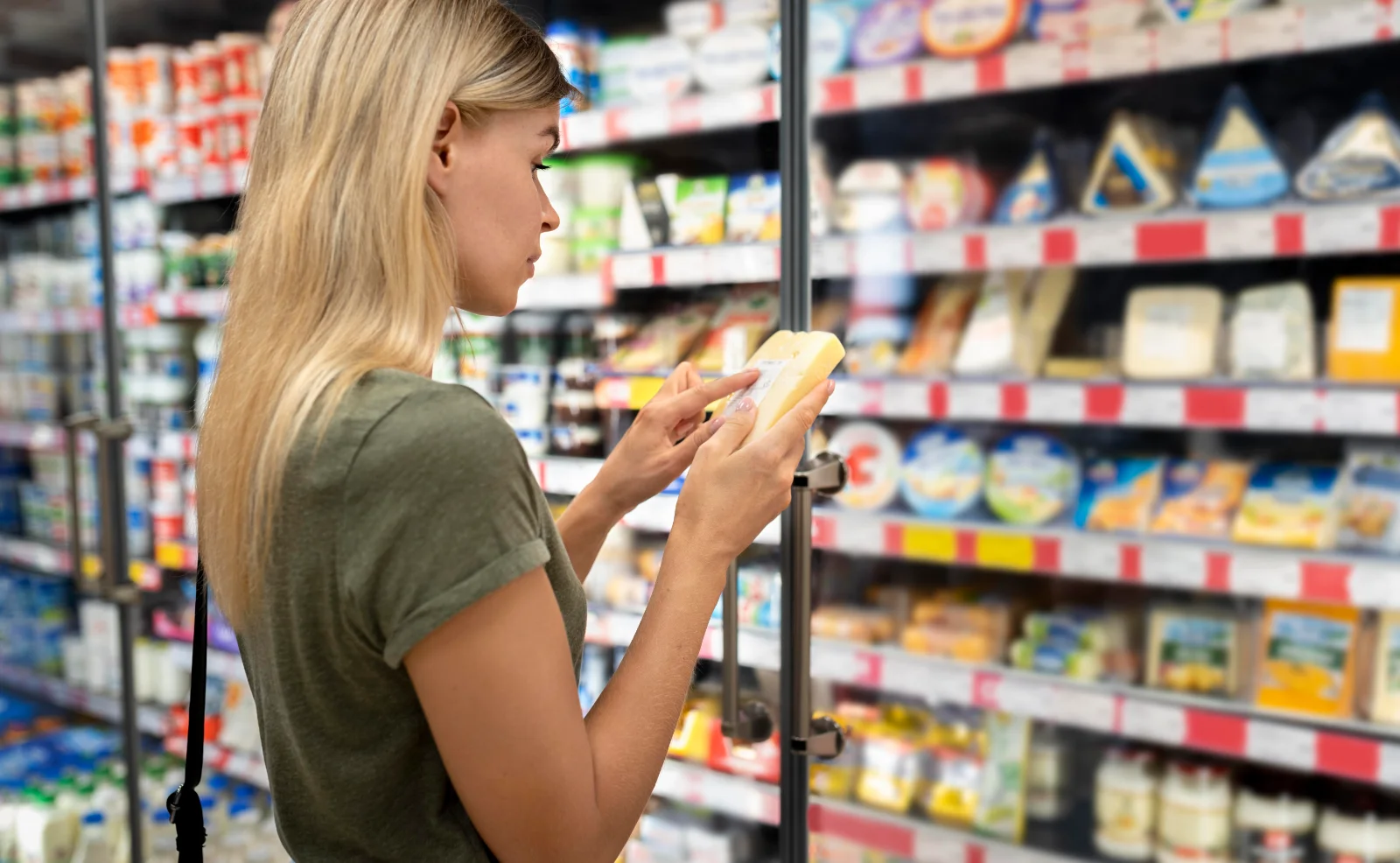

Around 2 million people in the UK are currently living with a diagnosed food allergy, and many millions more manage intolerances that can make everyday shopping feel like a high-stakes puzzle. Food reactions range from mild discomfort — bloating, rashes, or headaches — to life-threatening anaphylaxis. For anyone in that spectrum, the food label is the most important piece of safety information on the shelf.
The good news? UK food law is on your side. Since 2014, EU allergen labelling regulations required the 14 most common allergens to be clearly indicated on pre-packaged food — and since Brexit, the UK has retained and, in some areas, strengthened those rules. Natasha's Law, which came into force in October 2021, extended the same requirements to food that is pre-packaged directly for sale, closing a gap that had previously cost lives.
The less-good news: knowing what you're looking for is half the battle. Let's change that.
What Does UK Law Actually Require?
Under the UK Food Information Regulations, any of the 14 major allergens present in a product must be emphasised in the ingredients list — typically in bold, CAPITALS, italics, or highlighted in a contrasting colour. This applies to pre-packaged food as well as, since Natasha's Law, food that is packaged on the premises where it is sold (like a supermarket deli counter wrapping their own sandwiches).
Crucially, the emphasis must appear every time the allergen — or a derivative of it — is listed. If a recipe contains both wheat-based pasta and a soy sauce with wheat in it, both should be bolded separately in the ingredients.
Quick rule of thumb
Scan the ingredients list for any bold, CAPITALISED, or highlighted words — those are your allergen flags. Then check which of the 14 they correspond to.
The 14 Major Allergens, Explained
Here is every allergen you'll encounter on a UK food label, what it includes, and the kinds of products where you're most likely to find it.
- Gluten-containing cereals: Wheat, rye, barley, oats, spelt, kamut, and their hybridised strains.
- Crustaceans: Prawns, crabs, lobster, crayfish, langoustines.
- Eggs: Hen's eggs and egg-derived ingredients like albumen, lysozyme and sometimes lecithin (E322), though lecithin is more often made from soya.
- Fish: All species of fish, including fish sauce, gelatine, and surimi (fake crab).
- Peanuts: Also sold as groundnuts or monkey nuts. Peanut oil is an allergen too.
- Tree nuts: Almonds, hazelnuts, walnuts, cashews, pecans, Brazils, pistachios, macadamia, Queensland nuts.
- Soybeans: Soy, tofu, tempeh, miso, edamame, and many vegetable protein products.
- Milk: Includes lactose, casein, whey, butter, cream, ghee, and most cheeses.
- Celery: The whole plant — seeds, leaves, and stalks — plus celeriac and celery salt.
- Mustard: Seeds, powder, paste, and whole-grain mustard. Found in many dressings and spice blends.
- Sesame: Seeds, tahini, sesame oil, and sesame flour. Common in Asian and Middle Eastern foods.
- Molluscs: Clams, mussels, oysters, squid, octopus, abalone, snails (land and sea).
- Lupin: Lupin flour and seeds appear in gluten-free bread, pastries, and pasta — often surprising people.
- Sulphur dioxide & sulphites: At concentrations above 10 mg/kg. Found in wine, dried fruit, and some processed meats.
The Ones That Catch People Off Guard
Most people know to avoid obvious sources — a peanut butter jar if you're allergic to peanuts, or a cheese board if you're lactose intolerant. The tricky part is the unexpected sources. Some allergens hide in foods that, on the surface, seem completely unrelated.
| Allergen | Surprising places it appears |
|---|---|
| Milk | Some brands of crisps, non-dairy spreads (casein is sometimes added), processed ham, and certain canned soups. |
| Wheat (gluten) | Soy sauce (most traditional recipes include wheat), some ice creams, liquorice, beer, and many stock cubes. |
| Eggs | Pasta (fresh and dry), mayonnaise-based sauces, some sparkling wines (used for fining). |
| Celery | Stock cubes, bouillon powders, ready-made soups, some crisps, and vegetable juices. |
| Lupin | "Gluten-free" products that substitute wheat with lupin flour — particularly breads, muffins, and pasta. |
| Sesame | Hummus, halva, some bread rolls, vegetarian burgers, and dips labelled simply as "oriental sauce." |
| Mustard | Salad dressings, curry powders, marinades, ketchup variants, and even some sausages. |
| Sulphites | Dried apricots, raisins, some fruit juices, vinegar, and many packaged ready meals. |
"May Contain" and Cross-Contamination: The Grey Area
One of the most confusing aspects of allergen labelling is the "may contain" statement — or variants like "produced in a facility that also handles nuts" or "not suitable for nut allergy sufferers due to manufacturing methods." These precautionary allergen labels (PALs) are entirely voluntary under current UK law. Manufacturers add them to manage their legal liability around cross-contamination, not because there is a guaranteed presence of that allergen in the product.
That said, they exist for a reason. Cross-contamination during manufacturing — when shared equipment or production lines are used — is a real risk, and for people with severe allergies, even trace amounts can trigger a reaction. The challenge is that different manufacturers apply PALs inconsistently: one company might warn about everything, another about nothing, even with identical production processes.
Important
If you have a severe allergy, treat "may contain" warnings seriously, even though they are not legally mandated. If a product carries no warning but you are still concerned, contact the manufacturer directly — many have allergen helplines.
Because these warnings are used so inconsistently, many people with food allergies admit they sometimes ignore them. Improving allergen literacy — knowing exactly what you're looking for — is the best defence.
Practical Tips for Safer Supermarket Shopping
Here are the habits that make a real difference in day-to-day shopping:
- Always read the label, even on familiar products. Manufacturers update recipes regularly. A product you've safely eaten for years can suddenly include a new ingredient. The ingredients list is the legally binding document — not the marketing claims on the front of pack.
- Look past the allergen summary box. Many products include a quick-reference allergen summary near the ingredients ("Contains: milk, wheat, eggs"). These are useful, but the full ingredients list is always the definitive source — the summary is not legally required and may not reflect every cross-contact risk.
- Know your allergen's aliases. Casein and whey are milk proteins. Albumen and lecithin (in some contexts) are egg derivatives. Triticum is wheat. Manufacturers use technical names, and knowing them helps you scan faster.
- Shop online when you can. Major UK supermarkets now display allergen information digitally — and tools like Bite Insight can cross-reference a product's barcode against your personal health profile in seconds, flagging anything relevant before it reaches your trolley.
- Carry your plan. If you or someone in your household has a confirmed allergy, ensure everyone involved in food preparation understands the risks. For severe allergies, always carry an adrenaline auto-injector (EpiPen or similar) and make sure those around you know how to use it.
Did you know?
Sesame has been one of the 14 major allergens in UK law for years, but it was only added to the US list of major allergens in 2023. So if you're reading American product information or recipes online, don't assume sesame will be called out.
A Note on "Free From" Labelling
You may also see "gluten-free," "dairy-free," or "nut-free" on packaging. Under UK law, a product can only be labelled gluten-free if it contains 20 parts per million (ppm) or less. "Very low gluten" allows up to 100 ppm. These are meaningful thresholds for most coeliac patients, though people with extremely high sensitivity should use their own judgement.
"Dairy-free" and "nut-free" are not legally defined terms in the UK — they're marketing claims. A product bearing either label may still be produced in a facility that handles dairy or nuts, so "may contain" language may still apply. This is one area where checking the full ingredients list, and the PAL statement, remains essential.
The Bottom Line
Understanding the 14 major allergens isn't just useful knowledge — for many people, it's genuinely life-saving. UK food law gives you strong protections, but the law can only go so far. The rest is about knowing what to look for, where allergens hide, and how to build routines that make checking labels second nature rather than a source of stress.
Food shopping should feel empowering, not exhausting. Whether you're newly diagnosed, managing a family member's allergy, or simply trying to make better-informed choices, the more you understand about what's on that label, the more confident you can be in every decision you make in the supermarket aisle.
Zero guesswork. Just facts. That's the standard you deserve — and it's exactly what good allergen awareness, backed by the right tools, can give you.