Food scanning set up for your condition
Add a condition to your profile and every scan checks the label for what matters to you. Bite Insight supports 36 conditions and you can add more than one.



Nothing matches that yet. Try another name, or see the options below if yours isn’t listed.
Heart and circulation
Saturated fat, trans fats and salt.
-

Heart disease
Checks saturated fat, trans fats and salt on every label so you can compare like with like.
Read the guide -

High cholesterol
Rates each product on saturated and trans fat, including hydrogenated oils tucked into the ingredients.
Read the guide -

Hypertension
Shows salt per 100g and flags sodium sources like MSG and baking soda that are easy to miss.
Read the guide
Blood sugar and hormones
Sugar, refined carbs and how fast they hit.
-
Type 2 diabetes
A glycemic impact rating on every scan, with sugar and carb flags you can read in the aisle.
Read the guide -

Pre-diabetes
Flags added sugars and refined starches, the easiest wins while levels can still come down.
Supported in the app -

Insulin resistance
Picks out added sugars, refined carbs and trans fats so lower-GI swaps are obvious.
Supported in the app -

PCOS
Watches refined carbs and added sugar, since PCOS is so often tied to insulin resistance.
Supported in the app -
Hypothyroidism
Flags soy and goitrogens, which some people with an underactive thyroid are told to limit.
Supported in the app -

Hashimoto’s thyroiditis
Flags gluten and soy, the two ingredients people with Hashimoto’s ask about most.
Supported in the app
Gut and digestion
Trigger ingredients that rarely say so on the front of the pack.
-

IBS
Spots high-FODMAP ingredients like garlic powder, onion and inulin hiding in the small print.
Read the guide -

GERD and acid reflux
Flags common reflux triggers including citrus, tomato, mint, chocolate and fizzy drinks.
Read the guide -

Coeliac disease
Checks for wheat, barley, rye and malt, including the less obvious ones like malt vinegar.
Read the guide -
Crohn’s disease
Flags polyols, inulin, bran and other harder-to-digest ingredients.
Supported in the app -
Ulcerative colitis
Looks for sugar alcohols, raw bran, spice and sulphite preservatives.
Supported in the app -
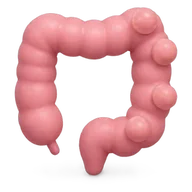
Diverticular disease
Flags seeds, sweetcorn and popcorn, plus red and processed meat.
Supported in the app -
SIBO
Uses a stricter FODMAP check than IBS, including lactose and the onion family.
Supported in the app -

Leaky gut
Flags emulsifiers, sweeteners, alcohol and gluten.
Supported in the app -

No gallbladder
Highlights fried, high-fat and processed foods that are harder to digest without stored bile.
Supported in the app -

Candida overgrowth
Flags sugars and refined starches in all their label disguises.
Supported in the app
Kidneys, liver and joints
Purines, potassium, phosphorus and sugar.
-

Gout
Flags high-purine ingredients like yeast extract, anchovies and sardines, plus alcohol and sugary drinks.
Supported in the app -
Chronic kidney disease
Checks for sodium, potassium and phosphorus additives, which matter more at later stages.
Supported in the app -
Fatty liver (NAFLD)
Flags added sugar, fructose syrups, trans fats and alcohol.
Supported in the app
Inflammation and immune health
Additives and ingredients linked to flare-ups.
-

Rheumatoid arthritis
Flags sugar, refined flour, trans fats and omega-6 heavy oils.
Supported in the app -

Lupus
Flags alfalfa and garlic, which are both linked to lupus flares, alongside sugar and salt.
Supported in the app -
Multiple sclerosis
Watches saturated and trans fats, refined carbs and sweeteners.
Supported in the app -

Eczema and psoriasis
Flags common skin triggers including artificial colours, sulphites, dairy and soy.
Supported in the app -

Fibromyalgia
Flags aspartame, MSG and other additives some people find make pain worse.
Supported in the app -

Endometriosis
Flags red meat, trans fats, alcohol and caffeine.
Supported in the app -

Asthma
Flags sulphites first, the best-evidenced food trigger, plus colours and benzoates.
Supported in the app
Brain and energy
Additives, caffeine and blood sugar dips.
-
ADHD
Flags the Southampton Six colours and other additives, plus caffeine and added sugar.
Supported in the app -
Autism
Flags artificial colours, preservatives and sweeteners, with gluten and dairy if you want them.
Supported in the app -

Migraine
Flags tyramine-rich aged cheese, MSG, nitrates, aspartame, chocolate and red wine.
Supported in the app -
ME and chronic fatigue
Flags caffeine, sweeteners and added sugar that can make energy crash.
Supported in the app
Life stages and treatment
Guidance that changes with where you are.
-

Pregnancy
Flags high-mercury fish, raw and unpasteurised foods, liver, alcohol and caffeine.
Supported in the app -

Cancer
Based on WCRF guidance, with extra checks for colorectal, breast, prostate and stomach cancer.
Supported in the app -

Cystic fibrosis
Flags “diet” and low-calorie products, with settings for modulators and CFRD.
Supported in the app

Can’t see yours?
With Bite Insight+ you can flag any ingredient by name and it’s picked out on every scan. Tell us what you’d like covered next and we’ll look at adding it.
Common questions
About using Bite Insight with health conditions.
Yes. Add every condition that applies to you and Bite Insight checks each scan against all of them at once, along with any allergies or diets in your profile.
You can still use Bite Insight with your own list of ingredients to avoid. With Bite Insight+ you can flag any ingredient by name and it will be picked out on every scan. You can also tell us which condition you’d like added.
No. Bite Insight gives you information about what’s in your food. It isn’t medical advice. Always follow the guidance of your GP, consultant or dietitian.