
If you have ever woken up in the middle of the night with your big toe throbbing so badly that even the weight of a duvet feels unbearable, there is a good chance you already know what gout is. It is one of the oldest named diseases in medicine, and it is also one of the most misunderstood. Most people still picture it as a rich man's disease brought on by port and pheasant, but the modern picture looks very different. Gout is on the rise across the UK, and diet still plays a genuine role, just not in the way most old advice suggests.
The good news is that the evidence on gout and food has moved on a long way from the strict banned food lists that used to get handed out. Here is what actually helps, what is a persistent myth, and where the real risk sits.
What Gout Actually Does to Your Joints
Gout is a form of inflammatory arthritis caused by a build up of uric acid in the blood. Uric acid is a normal waste product made whenever your body breaks down purines, substances found naturally in your own cells as well as in certain foods. Usually your kidneys filter the excess out through urine without any trouble. In gout, uric acid levels climb too high for the kidneys to clear efficiently, and the surplus forms sharp, needle shaped crystals that settle in a joint, most often the base of the big toe.
Those crystals trigger a sudden and intense inflammatory response. A gout flare can go from completely fine to agonising within a matter of hours, with swelling, redness, heat and pain severe enough that some people cannot bear to have a sock touch the joint. Flares usually settle within a week or two even without treatment, but they tend to come back, and repeated attacks over the years can damage the joint permanently if the underlying uric acid level is never brought down.
1 in 40 UK adults are thought to have gout
Men are around four times more likely to be affected than women, and the number of people diagnosed has been rising for decades
That rise matters. Research using UK primary care records found that gout prevalence climbed by around 64 percent between 1997 and 2012, and most clinicians agree the trend has continued since. An ageing population, rising obesity, and dietary patterns heavier in processed food and sugary drinks are the usual explanations, though genetics play a big part too. Some people make more uric acid than others no matter what they eat, and some kidneys simply clear it less efficiently. Diet is a lever you can pull, not the whole story.
The Purine Myth Most People Get Wrong
For years, anyone diagnosed with gout was handed a long list of foods to avoid completely, built around purine content alone. Current UK dietetic advice has moved away from that approach. Purines are part of a normal, healthy diet and your body produces plenty of its own regardless of what you eat, so cutting them out entirely is neither realistic nor necessary. The more useful approach is simply eating less of the highest purine foods rather than banning them outright, and paying far more attention to the handful of things that make the biggest difference, which we will get to shortly.
Highest purine
Worth eating less often
Not banned, just not a daily habit
- Offal (liver, kidney, heart)
- Anchovies and sardines
- Yeast extract spreads
- Game meat
Moderate purine
Fine in sensible portions
- Red meat and poultry
- Most fish and shellfish
- Lentils, beans and peas
Old myth, new evidence
Safe to eat as normal
No need to restrict these
Spinach, asparagus, mushrooms and cauliflower were once wrongly grouped with meat and offal because they contain plant purines. Research has not found that plant purines raise gout risk the way animal ones do, so there is no reason to avoid these vegetables.
That last point surprises a lot of people, including some who were given outdated advice by well meaning friends or family rather than a dietitian. Vegetables that happen to contain purines behave very differently in the body to purines from meat and seafood, and current guidance treats them as safe, ordinary parts of a balanced diet.
What the Evidence Actually Shows Helps
Away from the purine lists, a smaller set of genuinely useful habits keeps coming up across clinical research and UK dietetic advice. None of them promise to cure gout on their own, but together they can meaningfully reduce how often flares happen.
Lose excess weight slowly, not quickly
Carrying extra weight raises uric acid levels, so gradual, steady weight loss is one of the most effective changes available. Crash dieting or fasting can backfire badly, since rapid weight loss actually triggers a short term spike in uric acid and can set off a flare rather than prevent one.
Add cherries to your routine
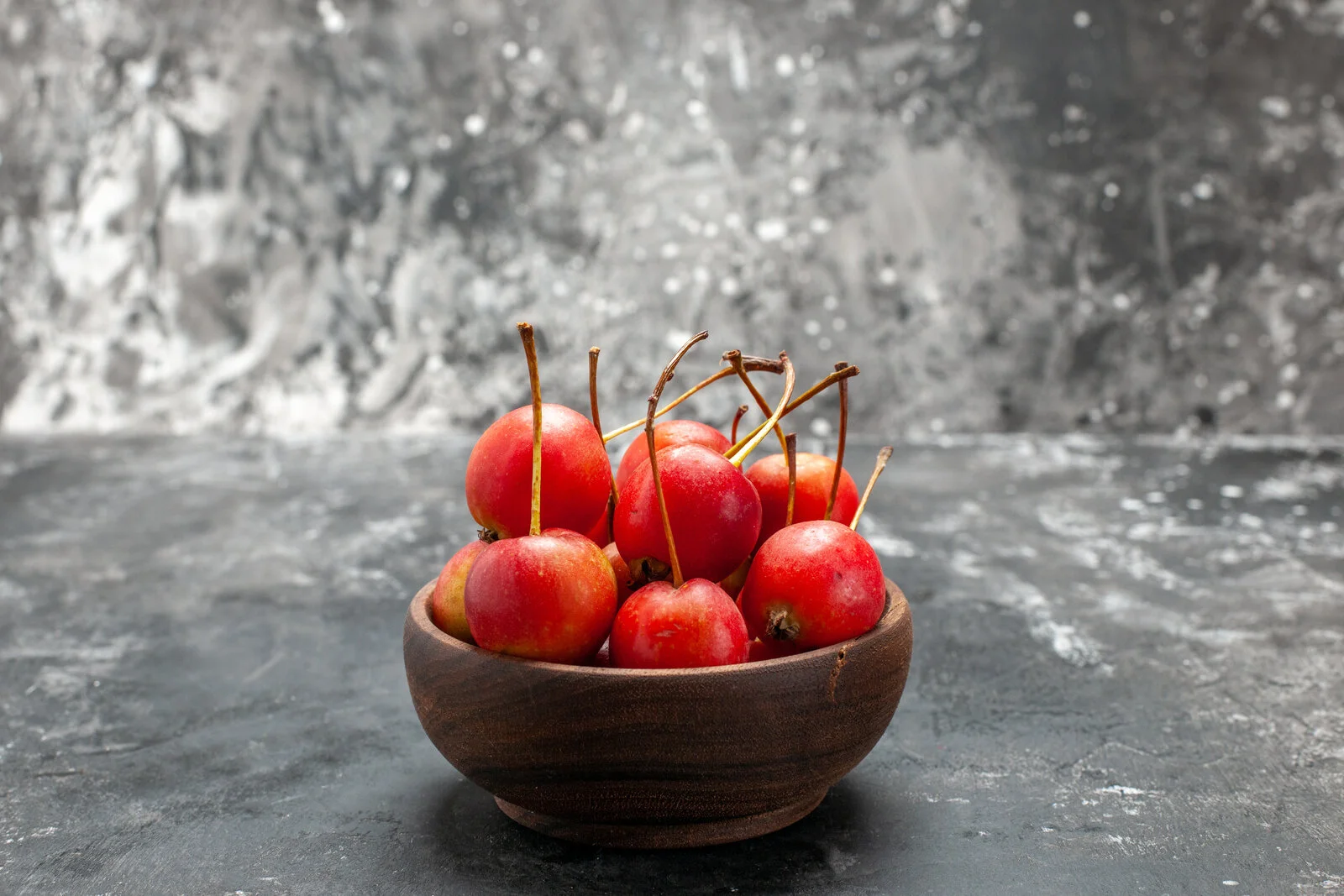
This is one of the few food specific claims with real research behind it. A study following more than six hundred people with gout found that those who had eaten cherries in the previous two days were around 35 percent less likely to have a flare. The effect size varies between studies, but cherries are harmless and worth including regularly either way.
Lean on vitamin C rich fruit
Vitamin C appears to help the kidneys clear uric acid more efficiently. Strawberries, kiwi, oranges and peppers are good sources that are also relatively low in natural sugar compared with some other fruit.
Keep low fat dairy in the mix
Several studies link low fat milk and yoghurt with a lower gout risk, likely because certain milk proteins encourage the kidneys to excrete more uric acid. This is one of the clearer protective effects in the research, so swapping to it rather than cutting dairy out completely makes sense.
Drink plenty of water
Staying well hydrated supports the kidneys in flushing out excess uric acid rather than letting it concentrate and crystallise. It is simple, free, and one of the most consistently recommended pieces of advice across every UK dietetic leaflet on gout.
Drinks That Make It Worse
If there is one area where the evidence on gout is genuinely strong and consistent, it is alcohol and sugary drinks. These two categories do more to raise gout risk than almost anything on a plate.
Alcohol raises uric acid in two separate ways. It increases how much uric acid your body produces, and at the same time it makes your kidneys worse at clearing it, so the two effects stack. Beer is particularly troublesome because it also contains its own purines on top of the alcohol itself, which is why it tends to be singled out as the worst option. Spirits and fortified wines such as port are not far behind. Wine in moderate amounts appears to carry a smaller risk, though moderate still means genuinely moderate, not a nightly bottle.
Highest risk
Drinks linked to more frequent flares
- Beer and lager
- Spirits
- Port and fortified wine
- Full sugar fizzy drinks
- Fruit juice in large amounts
Lower risk
Better everyday choices
- Water
- Low fat milk
- Coffee, in normal amounts
- Wine, strictly in moderation
- No or low sugar soft drinks, in moderation
Sugary drinks deserve just as much attention as alcohol, even though they rarely get the same reputation. The fructose in sugar sweetened drinks is broken down by the body in a way that directly raises uric acid production, separate from any purine content at all. Research in both the United States and the UK has linked higher sugary drink intake with a greater risk of gout, and the effect shows up with fruit juice as well as fizzy drinks, since both are concentrated sources of fructose. Diet versions sweetened with artificial sweeteners rather than sugar have not shown the same link.
| Drink | Why it raises risk |
|---|---|
| Beer | Alcohol plus its own purine content, a double hit |
| Spirits and port | High alcohol content raises production and blocks clearance |
| Cola and other full sugar fizzy drinks | Fructose directly increases uric acid production |
| Concentrated fruit juice | Natural sugars are still fructose, even without any alcohol |
| Wine, in moderation | Lower risk than beer or spirits, but not risk free |
Of everything linked to gout through food and drink, alcohol and sugary drinks have the strongest and most consistent evidence behind them, stronger than almost any single food on a plate.
Why Diagnoses Keep Rising Across the UK
Gout used to be thought of as rare and old fashioned, but UK data tells a different story. Around sixty six thousand new cases are diagnosed in England alone each year, and the overall prevalence has been climbing steadily for decades rather than staying flat. A few things are likely feeding that trend together. The population is older on average than it used to be, and age is one of the strongest risk factors for gout. Rates of obesity have also risen considerably, and extra weight is one of the clearest dietary levers linked to higher uric acid. On top of that, sugary drink consumption and processed food intake have both increased compared with past decades, both of which push uric acid levels upward over time.
There is also a treatment gap worth knowing about. Only around a third of people diagnosed with gout in the UK are started on medication that actually lowers uric acid long term, rather than medication that just treats a flare once it has already started. If you have had more than one or two flares, it is worth asking your GP specifically about urate lowering treatment rather than only reaching for pain relief each time, since diet changes alone rarely bring uric acid down enough on their own once gout is established.

Tracking What Actually Sets You Off
Gout triggers are not identical from person to person. Some people flare after a single heavy night of drinking, others after a weekend of rich food, and some seem to flare for no obvious reason at all. That is exactly why a food and drink diary tends to be more useful in practice than memorising a purine table.
This is where logging what you eat and drink in BiteInsight earns its keep. Scanning meals and drinks as you go builds a record you can actually look back on, so if a flare does show up, you are looking at real data about the days beforehand rather than trying to remember what you had for dinner on Tuesday. Over a few months, patterns tend to surface that are easy to miss in the moment, whether that is a particular drink, a run of takeaways, or simply not drinking enough water during a busy week.

A Few Common Questions
Do I need to cut out red meat completely?
No. Current guidance favours eating less of the highest purine foods rather than banning entire food groups. Red meat in sensible portions a few times a week is generally considered fine for most people with gout, as long as it is not eaten daily in large amounts alongside other risk factors like beer.
Am I right to avoid spinach and mushrooms?
No, and this is one of the most outdated pieces of advice still doing the rounds. Vegetables that contain purines have not been shown to raise gout risk the way purines from meat and seafood do, so there is no evidence based reason to limit them.
Will losing weight quickly help me the most?
It is more likely to hurt than help. Rapid weight loss, fasting, or very low calorie diets can cause a short term spike in uric acid and trigger a flare. Slow, steady weight loss through ordinary healthy eating is the safer and more effective route.
Is wine really safer than beer?
The evidence suggests wine carries a smaller risk than beer or spirits, largely because beer also brings its own purine content on top of the alcohol. That does not make wine risk free. Moderate intake, well within the usual UK guidelines, is the safer approach rather than treating wine as an exception.
Can diet alone keep gout under control?
For some people with mild or infrequent flares, diet and lifestyle changes make a real difference. For others, particularly after repeated flares, diet alone is unlikely to bring uric acid down far enough, and medication prescribed by a GP becomes the more effective long term solution. Diet is best thought of as support for treatment rather than a replacement for it.
The Bottom Line
Gout is not about memorising a long list of banned foods. It is about drinking less beer and fewer sugary drinks, keeping hydrated, eating cherries and low fat dairy more often, and losing weight slowly rather than quickly if you need to. Get those few things right and you have covered most of what diet can actually do.