
Scroll through social media for five minutes and you will likely encounter a confident voice telling you that sunflower oil is "toxic", that rapeseed oil is destroying your mitochondria, and that seed oils are single-handedly responsible for the rise of obesity, heart disease, and everything else on the modern disease list. The hashtag has racked up billions of views. Prominent podcasters and politicians have called for them to be banned outright.
It is a compelling narrative. But compelling narratives and accurate science do not always point in the same direction. So what do seed oils actually do inside your body? The answer turns out to be considerably more nuanced than your algorithm is letting on.
What Are Seed Oils, Exactly?
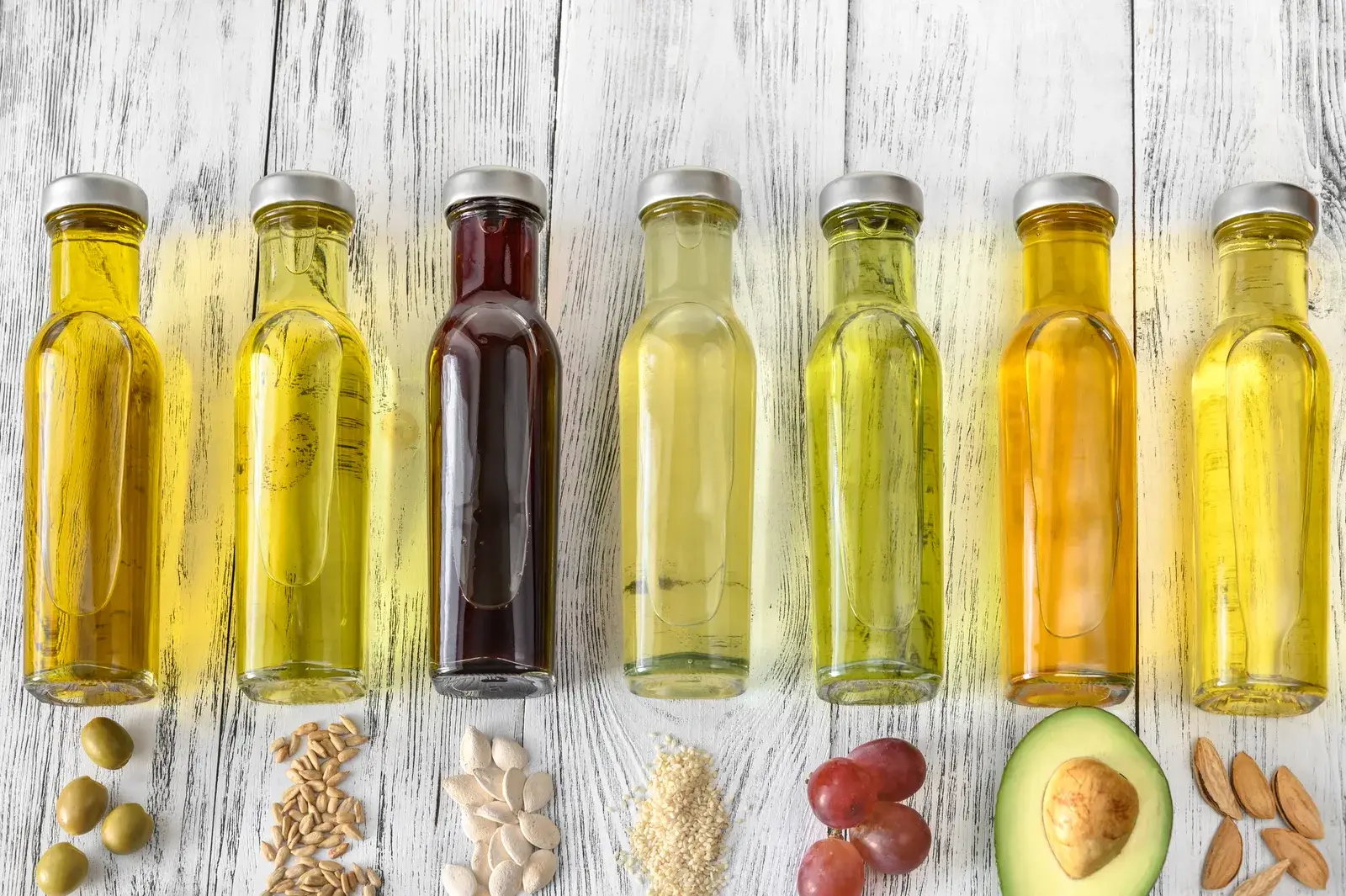
Seed oils are vegetable oils extracted from the seeds of plants. The main ones found in UK food products are:
Sunflower oil
Found in crisps, margarines, ready meals and sauces
Rapeseed oil
The UK's most-produced oilseed, used in cooking sprays, salad dressings, and most "vegetable oil" blends
Soybean oil
Commonly used in processed foods, particularly imported products
Corn oil
Common in snack foods and commercial deep frying
What distinguishes them from animal fats and olive oil is their high content of polyunsaturated fatty acids (PUFAs), particularly omega-6 fatty acids and specifically a type called linoleic acid. This is where the controversy begins.
The Core Arguments Against Seed Oils
The concern is not entirely unfounded. Here is what critics point to, and where they have a legitimate case.
The omega-6 to omega-3 imbalance
Our bodies need both omega-6 and omega-3 fatty acids, but they compete for the same enzymes. Research suggests our ancestors consumed a ratio of roughly 4:1 omega-6 to omega-3. Modern Western diets, now dominated by seed oils in processed foods, have pushed that ratio to somewhere between 15:1 and 20:1. Higher omega-6 consumption relative to omega-3 has been associated with increased inflammatory markers in some studies. This is a legitimate concern and worth taking seriously.
The heat and oxidation problem
Polyunsaturated fats are chemically unstable at high temperatures. When sunflower or corn oil is heated repeatedly in a commercial deep fryer, it can break down into compounds including aldehydes and other oxidation products. Some of these have shown harmful effects in lab conditions. Several studies have found higher concentrations of these compounds in fast food fried in seed oils versus more stable fats like beef tallow or coconut oil.
This is a real concern. But context matters enormously. Sunflower oil in a salad dressing behaves very differently to the same oil sitting in a commercial fryer at 180°C for eight hours.
Where the argument gets wobbly
The leap from "omega-6 imbalance is worth considering" to "seed oils are toxic and behind every modern disease" is where the science stops following. The largest meta-analyses consistently show that replacing saturated fat with polyunsaturated fat from seed oils reduces cardiovascular risk. The American Heart Association, the British Heart Foundation, and the NHS all support this conclusion. That is not a conspiracy. That is decades of replicated research across millions of participants.
The claim that linoleic acid from seed oils builds up in fat cells and causes inflammation circulates widely online. The broader scientific literature does not support this as a primary driver of inflammatory disease.
The Crucial Piece Most People Skip Over
Over 50% of UK adults' daily calories come from ultra-processed foods
Most seed oil consumption happens inside UPFs, not from home cooking
Seed oils are almost never consumed in isolation. They arrive packaged with refined carbohydrates, artificial flavourings, emulsifiers, modified starches, preservatives, and excess salt. Separating the effect of the oil from the effect of the entire ultra-processed food matrix is extremely difficult, and most of the research that appears to condemn seed oils fails to do this cleanly.
When someone switches from heavily processed snack foods to home-cooked meals using sunflower oil, they typically get healthier. But that tells us very little about the oil itself. The confounding variable is enormous, and online wellness content almost never mentions it.
What the UK Evidence Actually Shows
A 2023 analysis using UK Biobank data, one of the largest nutritional datasets in the world, found that higher intake of PUFAs was associated with lower risk of cardiovascular disease and premature death. Substituting saturated fat for linoleic acid, the main fatty acid in most seed oils, was specifically associated with reduced heart disease risk.
A comprehensive 2024 Cochrane review of over 25 randomised controlled trials confirmed that reducing saturated fat and partly replacing it with unsaturated fat leads to meaningful reductions in cardiovascular events.
None of this means seed oils are a superfood. It means the simplistic version of the anti-seed-oil argument, that these oils are inherently harmful and responsible for the chronic disease epidemic, does not hold up against the weight of evidence.
Where Seed Oils Actually Hide
If you are genuinely concerned about excessive omega-6 consumption, the answer is not to throw out the sunflower oil you occasionally use to roast vegetables. It is to look more carefully at what is inside your everyday packaged food. Seed oils appear in places most people would not think to check.
Bread and wraps. Most commercial bread, including many "wholegrain" and "seeded" varieties, contains rapeseed or sunflower oil as a shelf-life extender.
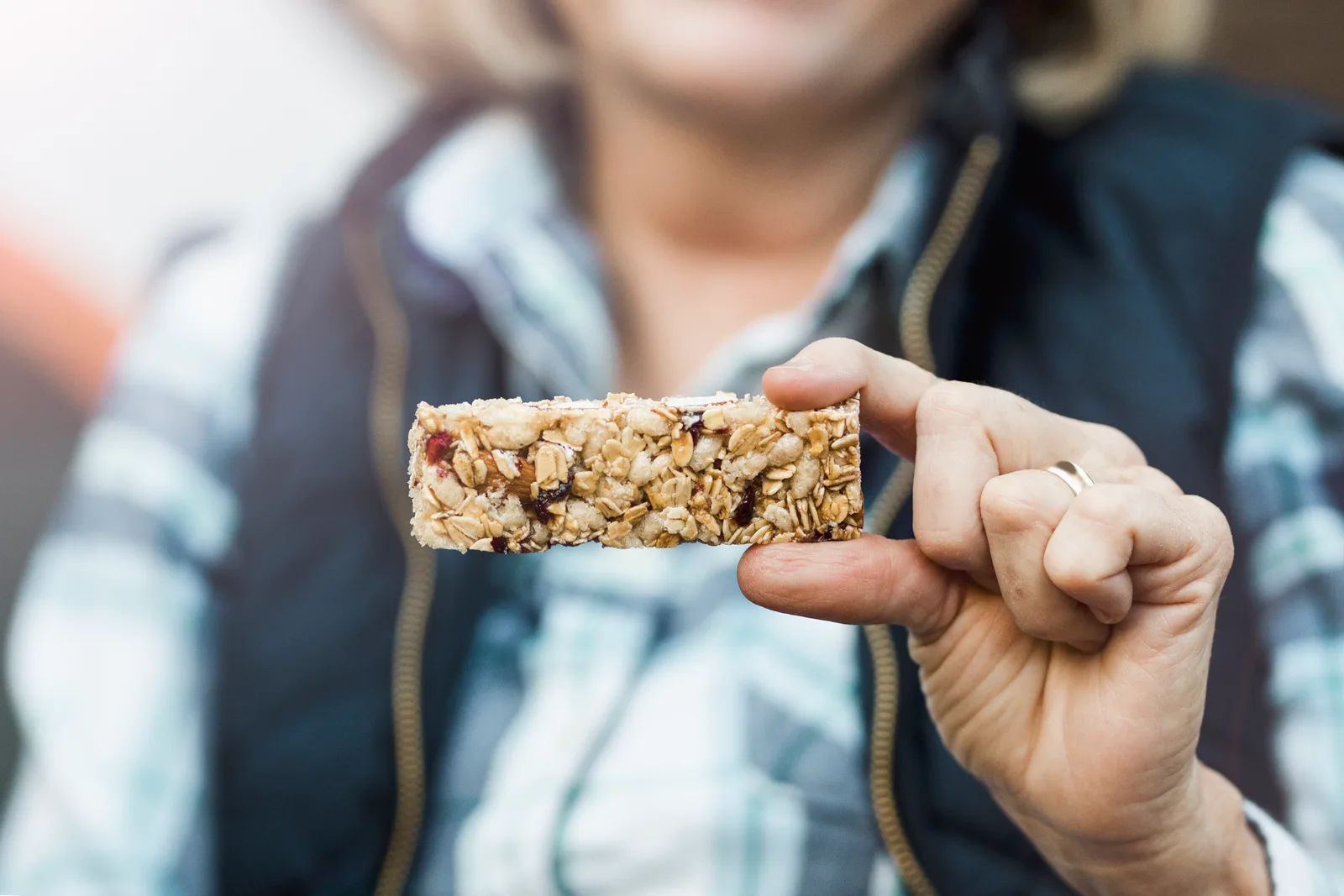
Protein bars and sports nutrition. Sunflower oil often appears in the first five ingredients. These are marketed as health products, but many sit much closer to ultra-processed confectionery.
Plant-based alternatives. Vegan burgers, oat drinks, dairy-free cheeses and yogurts regularly use seed oils to replicate the mouthfeel and richness of animal products.
Ready sauces and dressings. From pesto to mayonnaise to bottled salad dressings, seed oils are the base of most ambient sauces.
Crisps and crackers. Even products marketed as "baked not fried" often contain significant quantities of sunflower or rapeseed oil.
Scanning these products with Bite Insight flags the oil content alongside its full nutritional context, which matters far more than simply knowing an oil is present.
A Practical Guide: When to Think About It & When Not To
Do not panic:
Cold or warm-use seed oils at home
Cold or warm-use seed oils at home. A tablespoon of rapeseed oil in a stir-fry or on a salad, within an otherwise balanced diet, is not a health crisis. The evidence simply does not support cutting it out.
Worth being aware of:
Repeated high-heat cooking with polyunsaturated oils.
If you deep-fry regularly at home, using a more stable fat like lard, ghee, or extra-virgin olive oil for high-temperature cooking makes reasonable sense based on what we know about oxidation chemistry.
Pay more attention to:
Seed oil consumption hidden inside ultra-processed food.
This is where the volume adds up. A packet of crisps, a protein bar, a ready-made sauce, and two slices of commercial bread in a single day means you have consumed a significant amount of seed oil within a broader matrix of UPF ingredients. That combination is where the real evidence of harm sits.
A note on cold-pressed rapeseed oil specifically:
Cold-pressed rapeseed oil, increasingly common in British-made products, has a fatty acid profile considerably closer to olive oil than to standard sunflower or corn oil.
Its omega-6 content is lower, its omega-3 content is higher, and it contains beneficial plant compounds. It is a meaningfully different product to refined seed oil, even if both end up grouped together in the same online discourse.
Why Your Feed Got This Wrong
Online wellness content runs on simplicity. "Seed oils are poison" is shareable. "The evidence is nuanced, highly context-dependent, and the real concern is ultra-processed food consumption overall" does not go viral.
That does not make the concern entirely unfounded. The omega-6 to omega-3 ratio in modern diets is genuinely worth improving, and the best way to do that is not to buy expensive supplements. It is to eat more oily fish, walnuts, and flaxseed, and fewer foods where seed oils are buried alongside fifteen other industrial ingredients.
The Bottom Line
Seed oils are not the silent poison that social media suggests. But they are not innocent bystanders either. The evidence points clearly to a distinction between cold-use seed oils in a balanced home diet, and the industrial quantities consumed daily through ultra-processed food.
Fix your UPF intake and your omega-6 to omega-3 ratio will likely improve naturally. Spend less time worrying about the bottle of sunflower oil in your cupboard, and more time turning over the packaging on the products that contain twenty ingredients you did not put there yourself.
Your body is not confused by a teaspoon of rapeseed oil in a salad. It is confused by the 47-ingredient snack bar that has been engineered to taste like something real.