
Around 1 in 4 UK adults deal with acid reflux regularly enough to call it a problem, that burning feeling behind the breastbone, the sour taste at the back of the throat, the discomfort that shows up after a big meal or the moment you lie down. Medication can help, but for most people, what actually changes day to day symptoms is what's on the plate.
The tricky part is that reflux triggers are not the same for everyone. Still, decades of clinical guidance point to a consistent set of foods that calm things down and a consistent set that stir things up. Here's what the evidence actually supports, food by food.
What's Actually Happening in your Body When You Get Reflux
Acid reflux happens when the ring of muscle between your oesophagus and stomach, the lower oesophageal sphincter, relaxes at the wrong moment and lets stomach acid travel back up. In a healthy gut, that muscle stays closed except when food or drink is actually passing through. When it relaxes too often or doesn't close fully, acid gets past it and irritates a lining that was never built to handle it.
Certain foods make that muscle relax more than it should. Others sit heavy in the stomach and delay emptying, which gives acid more opportunity to escape upward. And a few are simply acidic enough to irritate the lining directly, even without affecting the sphincter at all. Knowing which mechanism is at play for a given food is what makes the difference between a list you follow blindly and one you can actually reason about.
1 in 4 UK adults experience gastro oesophageal reflux disease (GORD) symptoms
Diet and meal habits are consistently identified as one of the most effective levers for managing it
The Foods That Actually Help
None of these foods are a cure on their own, but building meals around them gives your digestive system less to fight against.
Whole grains
Oats, brown rice, couscous
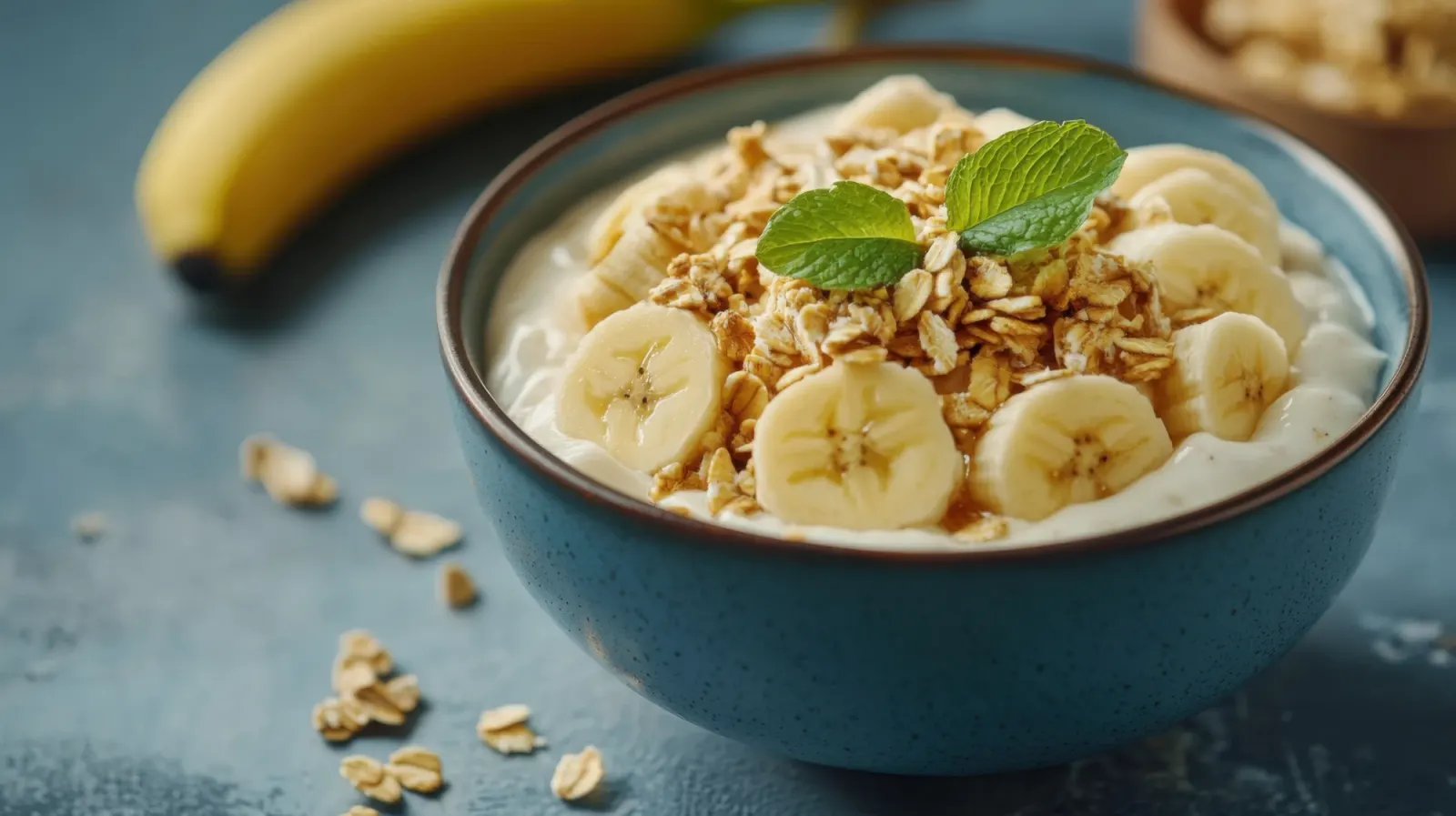
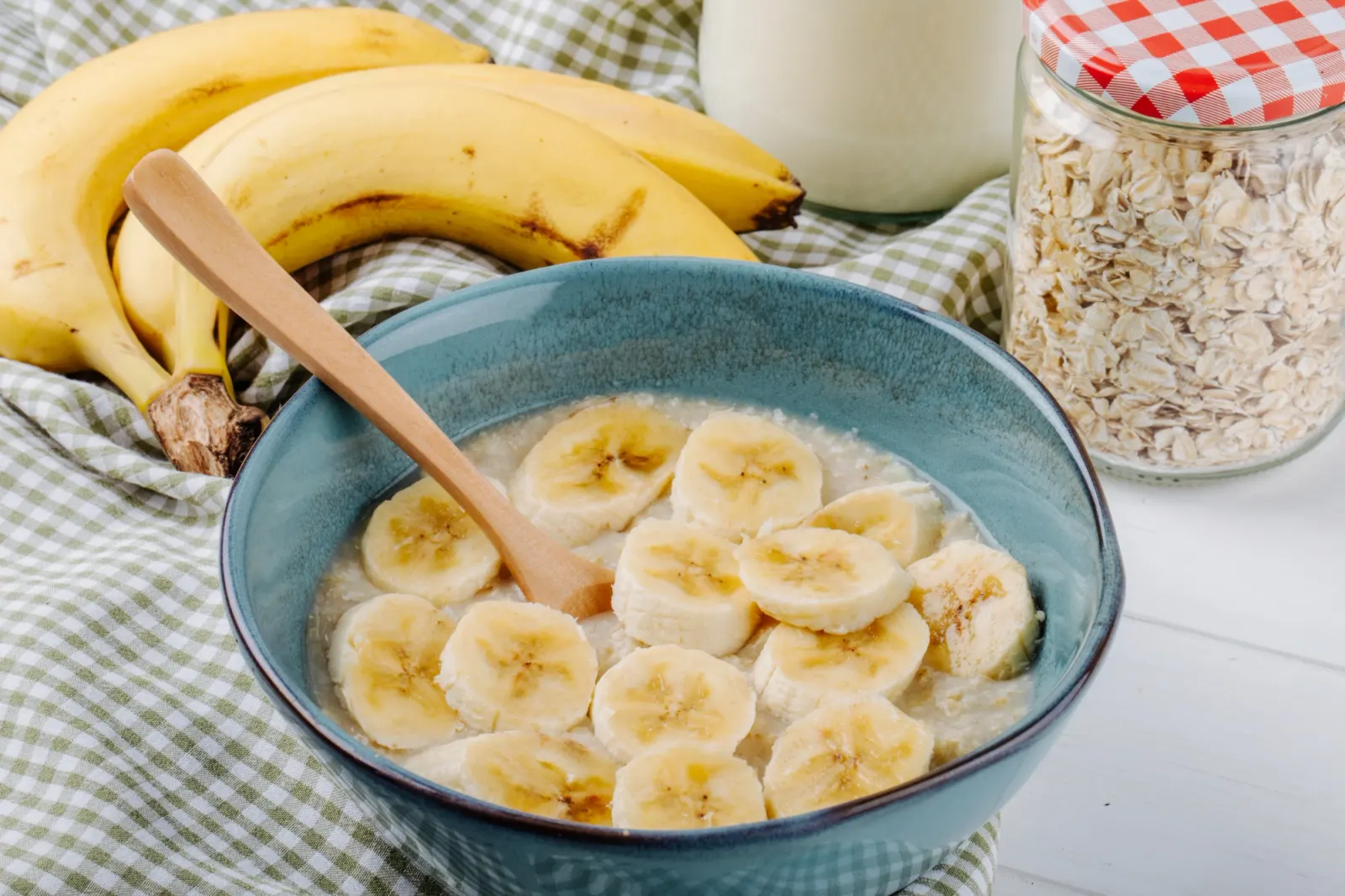
Oats in particular help absorb excess stomach acid and add the fibre that's linked to fewer reflux episodes overall.
Root and green vegetables
Sweet potato, carrots, broccoli, green beans
Naturally low in fat and acid, with fibre that supports digestion rather than working against it.
Low acid fruit
Banana, melon, pear
These can help neutralise stomach acid rather than adding to it, unlike citrus fruit and its juices.
Lean protein
Chicken, fish, egg whites
Lower fat than red meat or fried protein, so it moves through the stomach without lingering and triggering symptoms.
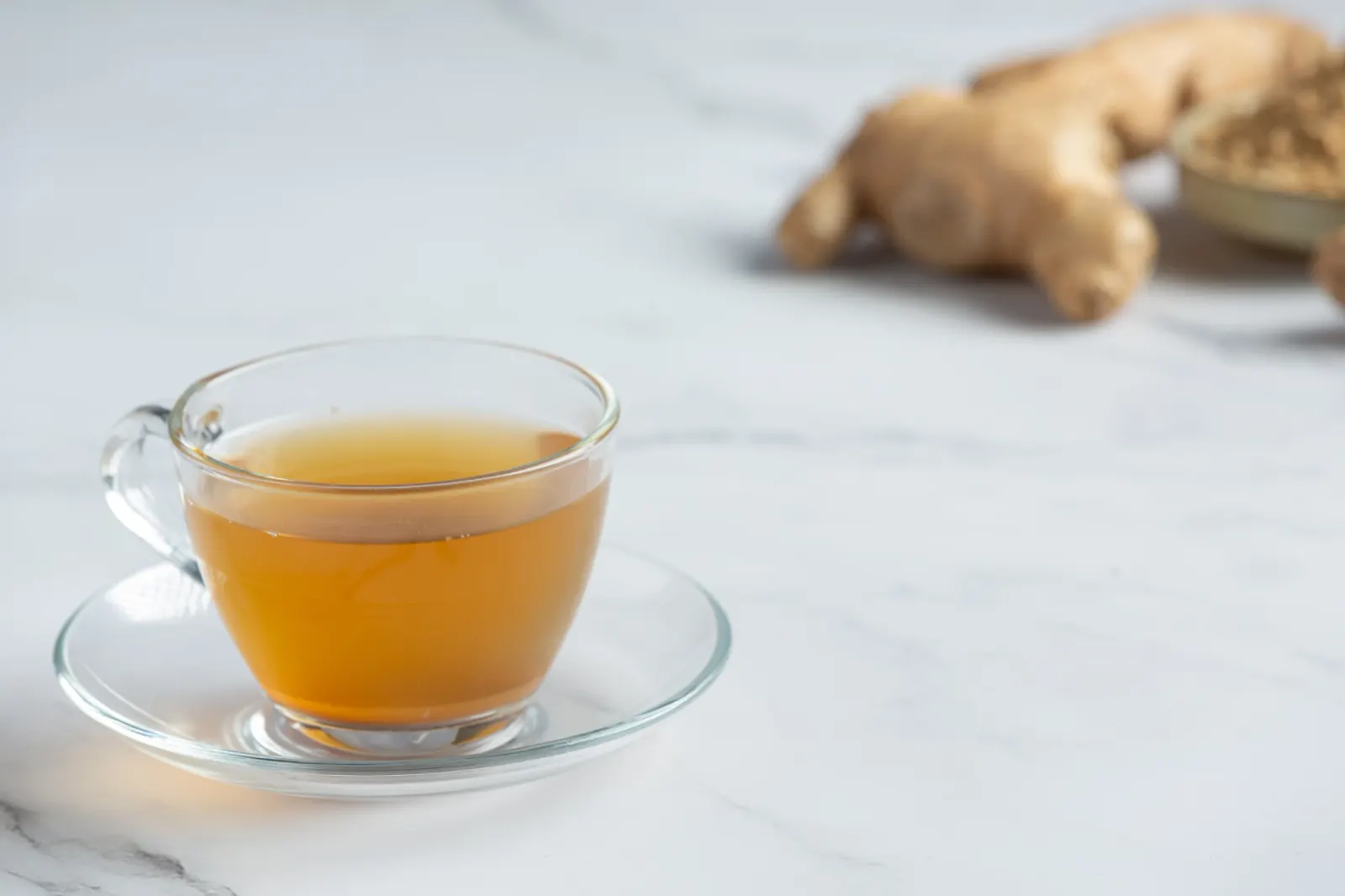
Ginger is worth calling out on its own. It's naturally alkaline and has a long standing reputation among dietitians as a calming ingredient for the digestive tract, whether that's a few slices in hot water or grated into a stir fry.
Low fat dairy has a role too. Plain, low fat milk or yoghurt can act as a short term buffer between stomach acid and the oesophageal lining, and yoghurt brings probiotics that support digestion generally. The keyword is low fat, since full fat dairy behaves more like the fatty foods on the trigger list below.
The Foods Most Likely to Set It Off
These are the usual suspects named across NHS advice and clinical dietary guidance. Not everyone reacts to all of them, but if you're not sure what's triggering your symptoms, this is the place to start looking.
Highest risk
Common trigger foods and drinks
- Coffee and caffeinated tea
- Alcohol, especially wine and spirits
- Citrus fruit and juice
- Tomatoes and tomato based sauces
- Chocolate
- Peppermint and spearmint
- Fatty and fried food
- Carbonated drinks
- Spicy food, for some people
Lowest risk
Reflux friendly staples
- Oats and whole grains
- Banana, melon and pear
- Root and green vegetables
- Lean chicken, fish and egg whites
- Ginger
- Low fat milk and yoghurt
Fatty and fried foods deserve a specific mention because the mechanism is different from the others. They don't necessarily add acid, they slow down how quickly your stomach empties, which gives whatever is in there longer to work its way back up. A creamy sauce or a plate of chips can cause just as much trouble as a glass of orange juice, for a completely different reason.
Here's how some everyday foods and drinks compare, grouped by why they tend to cause problems rather than just whether they do.
| Food or drink | Why it can be a problem |
|---|---|
| Orange juice, grapefruit | High natural acidity irritates the oesophageal lining directly |
| Tomato sauce, ketchup | Acidic, and often eaten in concentrated amounts |
| Fried chicken, chips | High fat content slows stomach emptying |
| Peppermint tea | Relaxes the lower oesophageal sphincter directly |
| Espresso, cola | Caffeine relaxes the sphincter and stimulates acid production |
| Red wine, spirits | Alcohol relaxes the sphincter and can irritate the stomach lining |
Reflux triggers are rarely just about what you eat. How much, how fast, and how soon before lying down matter just as much.
It's Not Just What You Eat, It's How and When
Diet advice for reflux usually focuses on food lists, but clinical guidance is just as clear about eating habits. Poor patterns, skipping breakfast then overeating at dinner, eating quickly, snacking right before bed, are consistently linked to worse symptoms regardless of what's actually being eaten.
Eat smaller meals, more often
A large meal stretches the stomach and puts more pressure on the sphincter that's supposed to keep acid down.
Stop eating around three hours before bed
Lying down with a full stomach is one of the most reliable ways to trigger nighttime reflux.
Slow down at the table
Eating quickly means swallowing more air and giving your stomach less time to signal that it's full.
Keep a food and symptom diary for two weeks
Trigger foods vary by person, so tracking what you eat against when symptoms show up is the fastest way to find your own pattern.
Work towards a healthy weight if you're carrying extra around the middle
Extra abdominal weight puts direct physical pressure on the stomach and is one of the strongest known risk factors for reflux.
Why It Often Feels Worse at Night
Lying flat removes gravity from the equation, so anything still sitting in your stomach has a much easier route back up towards your throat. This is why symptoms so often show up after you've gone to bed rather than during the meal itself. Two changes tend to make the biggest difference: leaving a proper gap between your last meal and lying down, and raising the head of the bed by around 15 to 20cm rather than piling up ordinary pillows, which mostly just bends you at the waist instead of raising your upper body.
Trigger Foods Are Personal, So Track Yours
The lists above hold up well across the research, but reflux is famously individual. Some people can drink coffee every morning with no issue and react badly to a single slice of pizza. Others find dairy is their problem, not tomatoes. That's exactly why a food and symptom diary matters more than memorising a list.
This is where scanning what you eat pays off. Logging meals in BiteInsight builds a record you can look back on alongside how you were feeling, so instead of guessing whether it was the coffee or the curry, you've got the data sitting there. Over a couple of weeks, patterns tend to show up that are easy to miss in the moment, like symptoms clustering around a particular ingredient, a certain time of day, or meals eaten too close to bedtime.
A Few Common Questions
Do I have to give up coffee completely?
Not necessarily. Caffeine is a well known trigger because it relaxes the lower oesophageal sphincter, but the size of the effect varies a lot from person to person. Try cutting back before cutting out entirely, and keep an eye on whether symptoms actually improve.
Are tomatoes really a problem, even in small amounts?
Tomatoes are acidic enough that they're a common trigger, but plenty of people tolerate them fine, especially cooked into a meal rather than eaten raw or as a concentrated sauce. Test your own tolerance rather than avoiding them automatically.
Can changing my diet alone get rid of acid reflux?
For many people, diet and meal timing changes meaningfully reduce how often symptoms show up and how severe they are. Persistent or severe reflux still needs a conversation with a GP, since it can sometimes point to something that needs treating directly rather than managing through food alone.
Is spicy food always a trigger?
Not for everyone. Spice itself doesn't relax the sphincter the way caffeine or alcohol does, but it can irritate an already inflamed oesophagus, which is why some people with reflux notice it and others don't. It's one of the more individual triggers, so this is a good one to test for yourself rather than avoid on principle.
The Bottom Line
Reflux friendly eating isn't about a strict list of banned foods, it's oats and bananas over coffee and citrus, smaller meals over late night ones, and a couple of weeks tracking your own pattern before you rule anything out for good.