






Check saturated fat per 100g
The NHS calls more than 5g of saturated fat per 100g high, and 1.5g or less low. Men should have no more than 30g a day and women no more than 20g. A 100g pastry with 10g per 100g is half a woman’s limit on its own.
Bite Insight is a free app that scans barcodes on UK supermarket food. With heart disease in your profile, it gives each product a saturated fat rating and a sodium rating from Low to Very High, and flags ingredients like hydrogenated fat and palm oil. It doesn’t check sugar for heart disease, so look at that line on the pack yourself.

Saturated fat and salt turn up in more products than most people expect. Keeping track of them across a week of meals means reading a lot of small print.
That’s the British Heart Foundation’s latest figure, with roughly as many women as men. For a lot of them, the weekly shop is one of the things they can actually change.
That’s around 170,000 deaths a year, according to the BHF. The NHS links saturated fat to higher cholesterol and salt to higher blood pressure, and both figures are printed on the pack.
That’s about a level teaspoon, the NHS says. Around three quarters of the salt we eat comes from packaged and everyday food we buy, like bread and breakfast cereal.
The NHS says cutting down on saturated fat and keeping salt to 6g a day or less lowers your risk of coronary heart disease. Both figures are on the label, usually in the table on the back, given per 100g and sometimes per portion. The app can read them for you, or you can check the pack by hand.
Pick it under health conditions when you sign up, or add it later by editing your profile. After that, a scan shows two ratings side by side. Saturated fat comes first and sodium sits next to it.
Each rating runs from Low (green) to Very High (red), worked out from the label’s figures per 100g. Sodium is rated from the salt figure. Further down, under Flagged ingredients, anything the app links to heart disease, like hydrogenated fat, palm oil, lard or salt, gets a red cross. Sugar isn’t rated for this profile.
 Low
 Moderate
 High
 Very High
Worked out per 100g. Sodium uses the same four levels.
The NHS calls more than 5g of saturated fat per 100g high, and 1.5g or less low. Men should have no more than 30g a day and women no more than 20g. A 100g pastry with 10g per 100g is half a woman’s limit on its own.

Most UK labels give salt. If a pack only lists sodium, the BHF says to multiply it by 2.5 to get salt. Over 1.5g of salt per 100g is high. Adults should keep to 6g a day, which is about a level teaspoon.

Partially hydrogenated vegetable oil is a source of trans fat. Hydrogenated vegetable oil has to be listed in the ingredients if it’s used. The NHS says most UK supermarkets have taken the partially hydrogenated kind out of their own-brand food, so it’s other brands where it’s worth a quick look.
The NHS lists palm oil and coconut oil alongside butter and lard as foods high in saturated fat. Biscuits, cakes and pastries are on the same list.
The NHS says around three quarters of the salt we eat comes from packaged and everyday food we buy. Bread and breakfast cereal are common sources, and so are sauces like soy sauce and gravy granules. Plenty of these don’t taste salty, so go by the number on the pack.

There’s no combined heart score. You get two separate ratings, each worked out per 100g. Saturated fat is rated from the saturated fat figure. It’s stricter than the NHS traffic light: anything over 5g, which the NHS calls high, comes out Very High, and over 3g is already High. Sodium is rated from the salt figure. Over 1.5g of salt is High, the same line the NHS uses, and over 3g is Very High. A product with no salt figure gets no sodium rating. The app also reads the ingredients list and flags things like hydrogenated fat, palm and coconut oil, lard, salt and MSG.
Both ratings and the heart disease ingredient flags are free, and Bite Insight+ at £3.99 a month lets you add your own ingredients to flag. Compare Free and Bite Insight+
Bite Insight gives general food information, not medical advice. The ratings come from the label’s figures, so they’re only as good as the label. If you’ve been diagnosed with heart disease, talk to your GP, cardiac rehabilitation team or a dietitian about what’s right for you to eat.
Bite Insight does not give everyone the same results. Set your heart health profile once and every scan is filtered through your specific needs.
Each scan rates saturated fat and sodium as Low, Moderate, High or Very High, worked out from the label’s figures per 100g. You see both before the product goes in the basket.
Set heart disease as your condition and Bite Insight flags ingredients like hydrogenated fat, palm oil, lard and salt on every scan. Sugar isn’t checked for this profile.

Hydrogenated oils, salt and MSG are already flagged for free. With Bite Insight+ you can add anything else your care team has told you to avoid, and it’s picked out on every scan.
Saturated fat is the first rating a heart disease profile shows after a scan, with sodium next to it. Both use the same four levels, worked out per 100g.
No more squinting at nutritional tables and trying to remember your limits.

Point your camera at the barcode on any UK supermarket product. You can also search for food, including dishes from popular restaurants.

Bite Insight checks the product against your heart disease profile. You get saturated fat and sodium ratings, plus any ingredients flagged for heart disease, like hydrogenated fat or palm oil.

Make food choices that support your heart health without needing to become a nutrition expert to do it.
Real experience
“After my diagnosis, my cardiologist told me to watch my saturated fat and sodium. But actually doing that in a supermarket is a different story. Bite Insight makes it genuinely easy to see what is in something without turning every shop into a homework session.”
The core tools for managing heart disease through diet are completely free. Heart health ratings, personalised warnings, and full nutritional breakdowns on every scan.

Everything you need to start making heart-healthier food choices.
Heart health indicator Heart Friendly, Be Mindful, High Risk, Very High Risk
Personalised warnings based on your heart health profile
Full nutrition breakdown on every scan including saturated fat and sodium
200,000+ UK food and drink products including popular restaurants
No subscription or payment details required.

Extra tools for people who want complete control over what goes in their basket.
Subscription renews automatically. Cancel anytime.
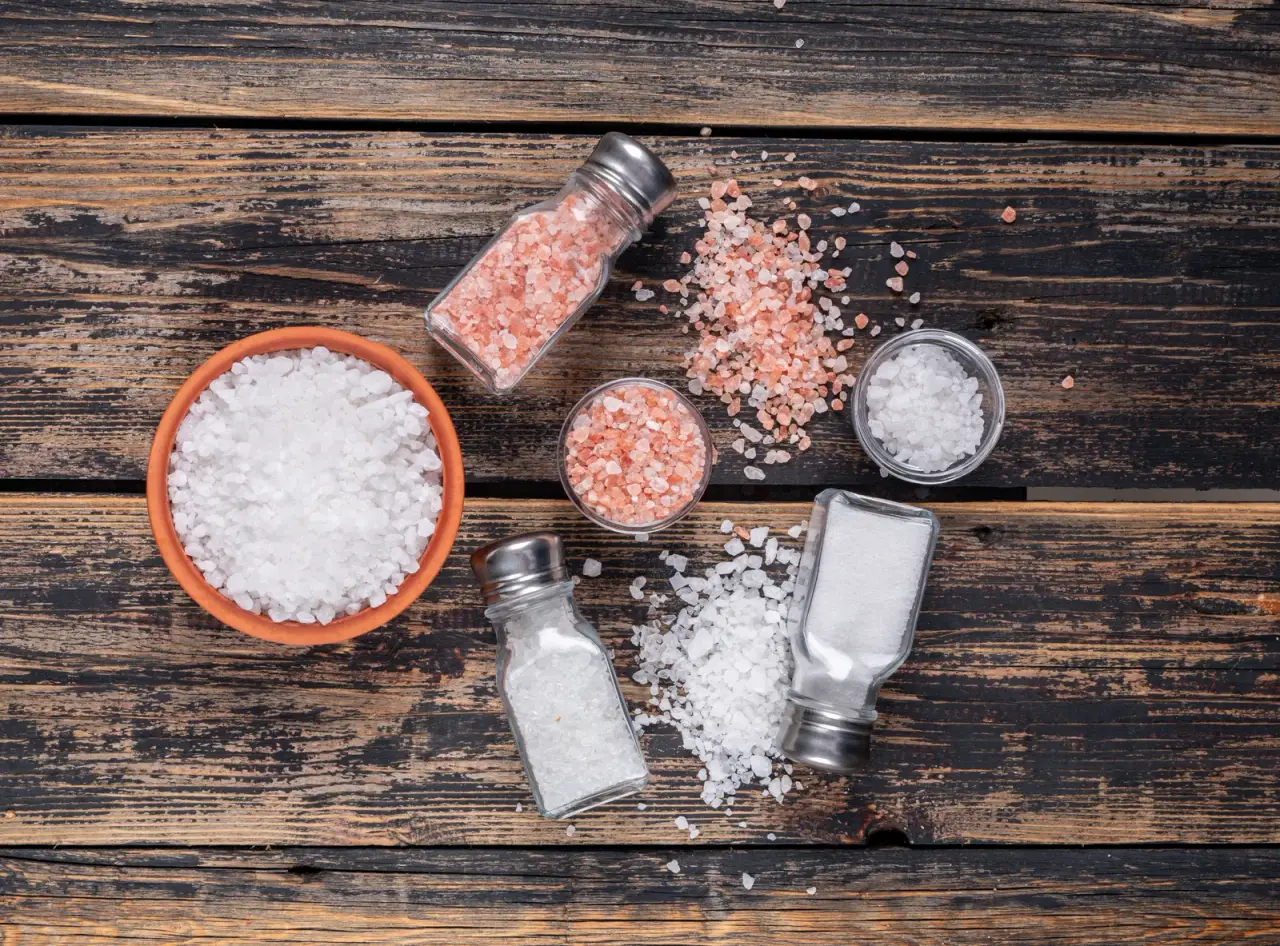
The average UK adult eats 40% more salt than recommended every single day, and most of it comes not from the salt shaker but from food they would never suspect. From breakfast cereal to bread, we look at where it is hiding and what you can do about it.


Traffic lights, hidden salt and sugar claims. Here's how to read a UK food label properly, and what the 2026 rule changes mean for shoppers.
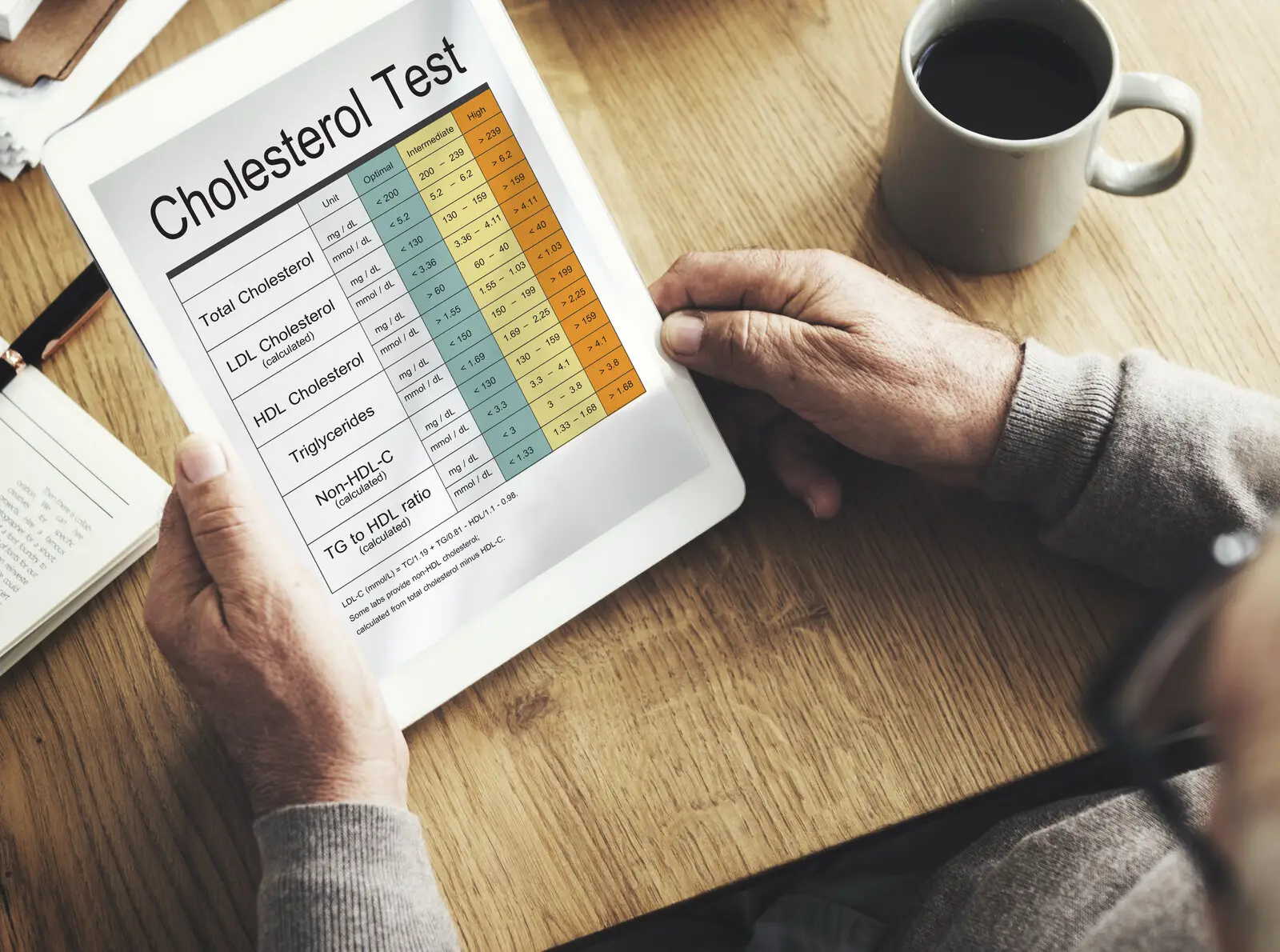
Nearly half of UK adults have raised cholesterol with no symptoms at all. Here's what the numbers mean and what genuinely helps.
About using Bite Insight with heart disease.
Yes. Bite Insight is a free UK app that scans a product’s barcode and tells you how much saturated fat and salt it has for someone with heart disease. Add Heart Disease to your profile and each scan rates saturated fat and sodium from Low to Very High. It also flags ingredients like hydrogenated fat and palm oil. It doesn’t rate sugar for heart disease, so check that line yourself. The ratings are per 100g, so scale them to your portion. The NHS calls over 5g of saturated fat or 1.5g of salt per 100g high.
The NHS says adults should have no more than 6g of salt a day, which is about a level teaspoon. For saturated fat, the limit is 30g a day for men and 20g for women. Your care team may give you different targets, so check with your GP or cardiac rehab team. On a food label, more than 5g of saturated fat or 1.5g of salt per 100g counts as high.
No. With only Heart Disease in your profile, Bite Insight rates saturated fat and sodium, and it doesn’t flag sugary ingredients. The NHS still says to limit sugar, because eating a lot of it can raise your risk of diabetes, and diabetes raises your risk of coronary heart disease. Check the sugars line on the pack yourself. The NHS counts more than 22.5g per 100g as high.
Yes. Add Heart Disease to your health profile and each scan shows a saturated fat rating and a sodium rating, from Low to Very High. Ingredients linked to heart disease, such as hydrogenated fats, palm oil, lard and salt, are flagged too. Sugar isn’t checked for this profile, so read that line on the pack yourself.
Each rating uses the label’s figures per 100g. Saturated fat comes from the saturated fat figure and sodium from the salt figure, and each one comes out as Low, Moderate, High or Very High. There’s no single heart score, and the ratings stay per 100g whatever portion you pick.
Yes, in different ways. Saturated fat gets its own rating on every scan. Trans fat is caught through the ingredients list: partially hydrogenated oils, hydrogenated fat, shortening and margarine are flagged automatically. If the product data includes a trans fat figure, it also shows in Nutrient Watch. When there’s no figure, the ingredients list is the place to look.
Yes, with Bite Insight+. Add anything your cardiologist or dietitian has told you to limit, and the app picks it out every time it turns up in a product you scan. Hydrogenated fats, palm oil, salt and MSG are already flagged for free by the Heart Disease profile.
No. Bite Insight gives general food information to help you choose what to buy. It isn’t medical or dietetic advice. Follow what your healthcare team tells you, and use the app to help you stick to it in the shop.


