

If you or someone in your family has type 2 diabetes, you have probably had a dozen different people tell you a dozen different things about what you can and cannot eat. Cut out sugar completely. Never touch bread again. Fruit is basically a sweet in disguise. It is confusing, and a lot of it simply is not true.
Type 2 diabetes now affects more people in the UK than ever before, and food is genuinely one of the most powerful tools for managing it. But the advice that actually works is often simpler, and kinder, than the myths suggest. Here is what the evidence really says.
Just how big is this in the UK?
Diabetes is no longer a rare condition. More than 5.6 million people in the UK are now living with a diabetes diagnosis, and around 90% of them have type 2. On top of that, researchers believe roughly 1.3 million more people are living with type 2 diabetes without knowing it yet, because early symptoms can be so mild they go unnoticed for years.
1 in 4 UK adults are now living with diabetes or prediabetes
Around 90% of diagnosed cases are type 2
The rise is closely tied to weight, age and lifestyle, but it is not simply a matter of willpower. Genetics, ethnicity and even how much sleep you get all play a part. What food choices can do, though, is genuinely change the course of the condition, sometimes dramatically.
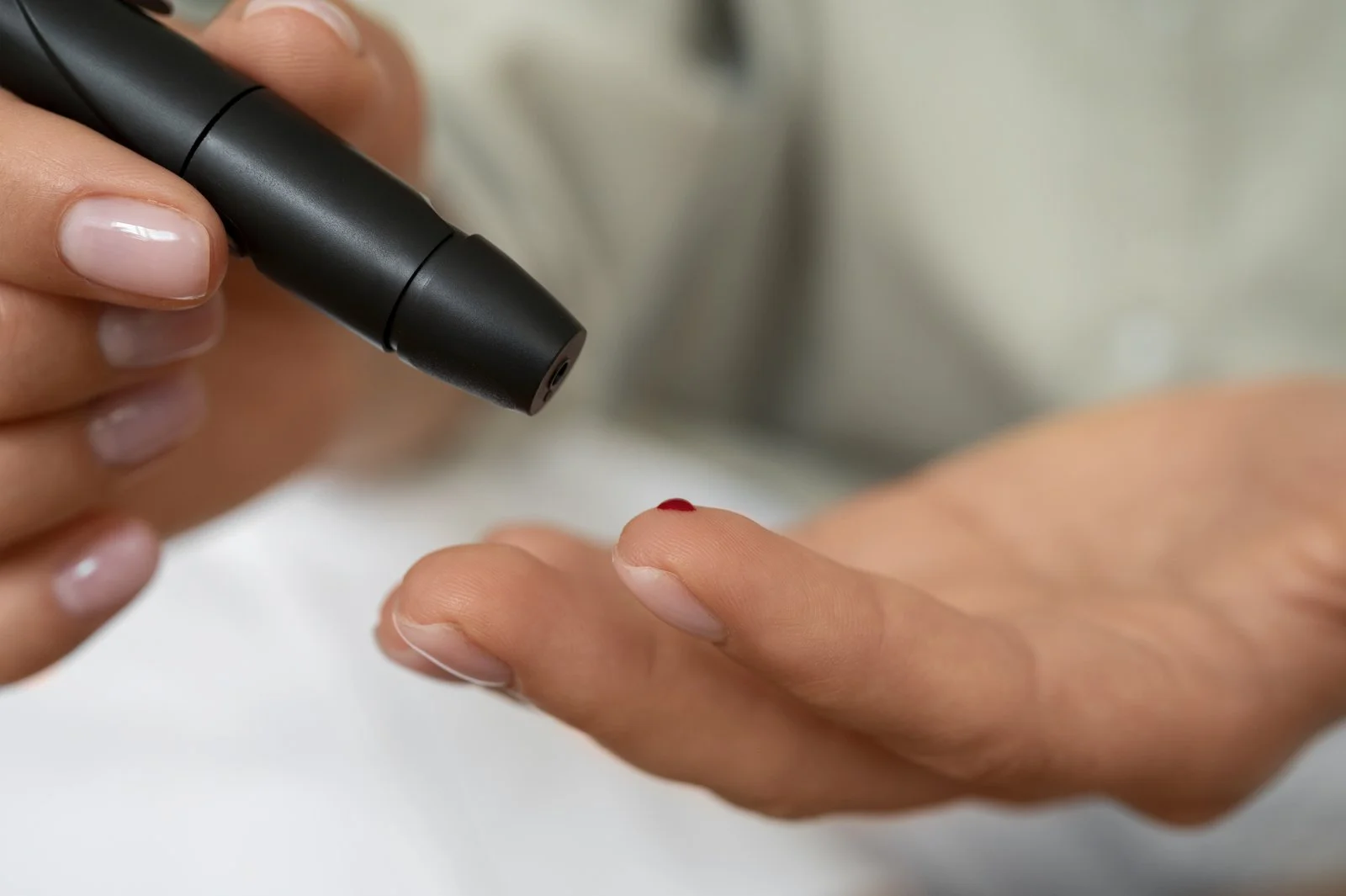
What actually happens to your blood sugar
In type 2 diabetes, your body either does not produce enough insulin or has become resistant to the insulin it does produce. Insulin is the hormone that moves glucose out of your bloodstream and into your cells for energy. When that process does not work properly, glucose builds up in the blood.
Carbohydrates have the biggest and fastest effect on blood glucose, because they are broken down into glucose during digestion. That does not mean carbohydrates are the enemy. It means the type and amount of carbohydrate you eat, and what you eat alongside it, matters more than cutting them out altogether.
Not all carbs behave the same way
This is where the glycaemic index, or GI, comes in. It is a ranking of how quickly a food raises blood glucose compared with pure glucose. Low GI foods release energy slowly and cause a gentler rise in blood sugar. High GI foods are broken down quickly and can cause sharp spikes followed by equally sharp crashes.
Lower GI, steadier energy
Choose more often
- Porridge oats and wholegrain cereals
- Wholemeal, granary or rye bread
- Pulses: lentils, chickpeas, beans
- Basmati or brown rice
- Most fruit and non starchy vegetables
Higher GI, quicker spikes
Eat less often, in smaller amounts
- White bread and white rice
- Sugary breakfast cereals
- Biscuits, cakes and pastries
- Sugary drinks and fruit juice
- Highly processed potato products
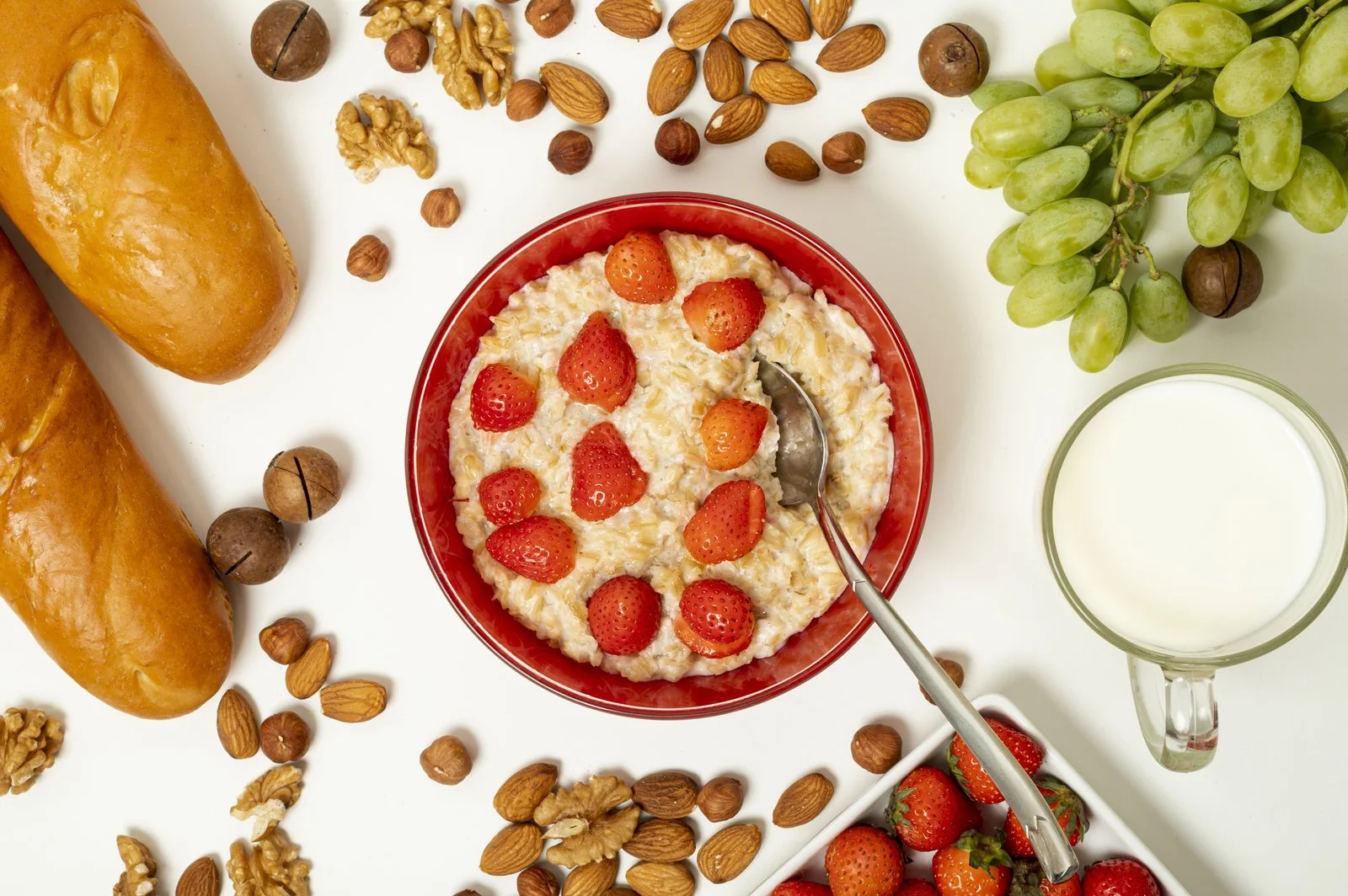
You do not need to memorise a GI chart to eat well. A simpler rule of thumb is to build meals around fibre, since fibre is what slows digestion down and blunts the glucose response. Wholegrains, vegetables, pulses and fruit with the skin on are all doing this work for you.
The myth that will not die: does sugar cause diabetes?
Diabetes UK is clear that the idea sugar directly causes type 2 diabetes is a gross oversimplification of a much more complex picture.
Eating sugar does not, on its own, give you type 2 diabetes. What it can do is contribute to weight gain over time, particularly around the middle, and carrying excess weight is one of the strongest risk factors for developing the condition. So sugar is part of the story, but it is far from the whole story.
This matters because it changes the advice. Rather than a blanket ban on anything sweet, current UK guidance focuses on cutting back on free sugars, meaning sugar added to food and drinks or found naturally in honey and fruit juice, while still allowing whole fruit, dairy and the occasional treat as part of a balanced diet. The NHS recommends adults have no more than 30g of free sugars a day, roughly seven teaspoons, which for most people means cutting sugary drinks first, since a single can of fizzy drink can contain close to that whole daily allowance.
What the evidence says actually helps
The dietary advice from the National Institute for Health and Care Excellence, known as NICE, and echoed by Diabetes UK, has stayed fairly consistent for years because it is well supported by research. The core principles are:
- Base meals around high fibre, lower GI carbohydrates such as wholegrains, pulses, fruit and vegetables
- Eat at least five portions of fruit and vegetables a day
- Choose lower fat dairy products and swap saturated fat for unsaturated fat where you can
- Eat two portions of oily fish a week, such as salmon, mackerel or sardines
- Cut back on salt, aiming for no more than 6g a day
- Keep alcohol within the recommended limits, since it can affect blood glucose in ways that are easy to miss
None of this is a special diabetic diet. It is, almost word for word, the same healthy eating advice given to the general population through the NHS Eatwell Guide. The difference for someone with type 2 diabetes is how much it matters to actually follow it, and how directly the results show up in blood glucose readings.
A simple way to build your plate
If counting carbohydrates or thinking in grams of fibre feels overwhelming, the plate method is a good visual shortcut used widely by dietitians.
Fill half your plate with vegetables or salad
Go for a mix of colours and, where you can, some raw as well as cooked veg.
Fill a quarter with starchy carbohydrate
Choose wholegrain versions where possible, like brown rice, wholemeal pasta or new potatoes with the skin on.
Fill the last quarter with protein
Lean meat, fish, eggs, tofu, beans or lentils all count, and pulses do double duty as a fibre source too.
Add a small amount of unsaturated fat
A drizzle of olive oil, a few slices of avocado or a handful of nuts helps you feel satisfied and slows digestion further.
Can type 2 diabetes actually go into remission?
For some people, yes, and the evidence behind this is one of the most encouraging developments in UK diabetes care in years. The DiRECT trial, funded by Diabetes UK and run jointly by Newcastle and Glasgow universities, followed nearly 300 people with type 2 diabetes through GP practices in England and Scotland.
The DiRECT trial results
What a structured low calorie diet achieved
came off diabetes medication within a year
of those who lost 15kg or more reached remission
remission was still holding for many participants
Participants followed a structured plan using a very low calorie liquid diet for around three months, then a carefully managed return to solid food with ongoing support to keep the weight off. This is not a plan to try on your own. It is delivered through GPs and dietitians, and it now underpins the NHS Type 2 Diabetes Path to Remission programme available in parts of England. If this sounds relevant to you, it is worth asking your GP whether you are eligible, rather than attempting an extreme calorie restriction unsupervised.
Remission is not guaranteed and is not the right goal for everyone, particularly those who have had type 2 diabetes for a long time or who are not carrying excess weight. But the trial results are a powerful reminder that for many people, this is a condition that can genuinely be pushed back, not just managed.
Practical swaps that make a real difference
Big changes rarely stick. Small, repeatable swaps usually do. Here are some that are backed by the evidence above and easy to build into a normal week.
- Swap white bread and white rice for wholemeal, granary or basmati versions
- Swap sugary breakfast cereal for porridge oats or a plain wholegrain option with berries
- Swap fruit juice and fizzy drinks for water, sparkling water or unsweetened tea
- Add a portion of pulses, like lentils or chickpeas, to soups, curries and salads a few times a week
- Keep unsalted nuts or plain yoghurt on hand for snacks instead of biscuits or crisps
- Grill, bake or steam instead of frying where you can
It is also worth paying attention to how meals are spaced out. Skipping meals and then eating a large one later tends to cause a bigger glucose spike than eating regularly spaced, moderate portions through the day. If you take insulin or other glucose lowering medication, talk to your GP or diabetes nurse before making significant changes to meal timing or carbohydrate intake, since your medication may need adjusting alongside your diet.
Common questions
Do I have to give up sugar completely?
No. Most current UK guidance allows room for the occasional sweet treat as part of an otherwise balanced diet. The focus is on cutting back on free sugars overall, especially sugary drinks, rather than banning sugar outright.
Is fruit safe to eat with type 2 diabetes?
Yes. Whole fruit contains fibre that slows down how quickly its natural sugars are absorbed, which is very different from fruit juice or dried fruit eaten in large amounts. Aim to include fruit as part of your five a day.
Do I need special diabetic food products?
No. Diabetes UK actively advises against so called diabetic foods, which are often expensive, can still affect blood sugar, and sometimes have a laxative effect. Ordinary healthy food, eaten in sensible portions, is the better choice.
Can losing weight really reverse type 2 diabetes?
For some people, particularly those diagnosed more recently, significant weight loss achieved through a structured, medically supervised programme can lead to remission. It is not guaranteed and is not suitable for everyone, so this should always be discussed with your GP first.
Should I follow a low carb diet instead?
Some people do find a lower carbohydrate approach helps them manage their blood glucose, and NICE guidance recognises this as one valid option among several. It is not the only route to good control, and any major change to carbohydrate intake is worth discussing with a dietitian, especially if you take glucose lowering medication.
The Bottom Line
Managing type 2 diabetes through food is not about extreme restriction or giving up everything you enjoy. It is about building meals around fibre and slower release carbohydrates, keeping an eye on portions with something as simple as the plate method, and making small swaps that you can actually keep up. For some people, structured medical support can even push the condition into remission. Whatever stage you are at, your GP or diabetes team is the best starting point for a plan tailored to you.