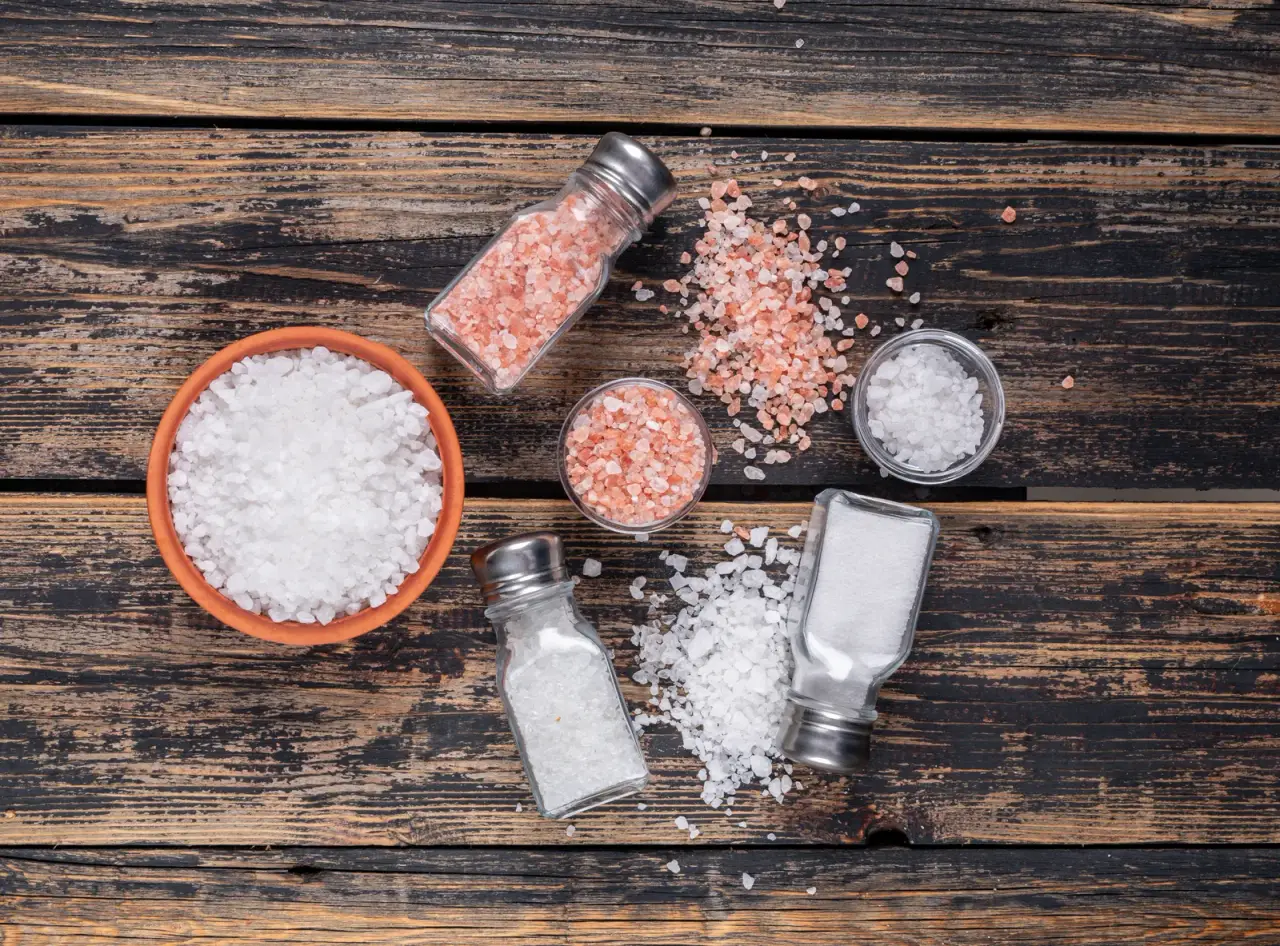

Ask most people where the salt comes from in their diet, and they will point to the kitchen table, the salt shaker or even the little pinch you added to your pasta water. But that is not where the problem lies. In the United Kingdom, approximately 75% of the salt adults consume comes not from anything they have added themselves, but from food that arrives pre-salted: often in packets, tins, and cardboard boxes that carry the word "healthy" on the front.
The average UK adult consumes 8.4g of salt every day
That is 40% more than the recommended maximum of 6g per day for adults
That 6g figure, roughly the equivalent of a level teaspoon, is not an arbitrary number. It is the threshold above which the risk of high blood pressure, stroke, and cardiovascular disease begins to climb measurably. The NHS and the World Health Organization are aligned on it. And yet, as a country, we consistently overshoot it without ever reaching for a shaker.
So where exactly is all this salt going? Which foods are the real culprits? And what does it actually look like on a nutrition label?
Why Sodium Matters More Than Most People Realise
Salt is sodium chloride. Your body needs sodium in small amounts to regulate fluid balance, support nerve function, and keep muscles working properly. The issue is not that sodium exists in food. The issue is the volume.
When sodium intake is consistently high, the kidneys struggle to excrete the excess. Sodium then accumulates in the bloodstream, drawing in water to dilute it. That increases blood volume, which raises the pressure against artery walls. Over months and years, this sustained pressure silently damages blood vessels, the heart, kidneys, and brain, often long before most people experience any symptoms at all.
Hypertension, the clinical term for high blood pressure, currently affects around one in three adults in the UK. It is the single biggest risk factor for stroke and a major contributor to heart disease, which remains the leading cause of death in Britain. What is striking is that the majority of people with high blood pressure do not know they have it.
It has been called the silent killer for good reason. And for millions of people, the food they eat every day is making it worse without any obvious indication on the front of the packet.
The Real Sources of Salt in the British Diet
Public Health England's National Diet and Nutrition Survey has consistently found that bread and cereal products account for the single largest share of salt in the UK diet. Not crisps. Not bacon. Not takeaways. Bread.
A typical slice of white supermarket bread contains somewhere around 0.5g of salt. Eat two slices at breakfast and two at lunch and you have already consumed a third of your recommended daily intake before you have touched anything else. The salt is functionally necessary for the bread-making process, which makes it difficult to remove entirely, but the amounts vary dramatically between brands. Two loaves sitting side by side on a shelf can differ by more than 30% in their salt content without it being obvious from the packaging.
After bread, the biggest contributors to salt in the British diet include:
- Ready meals and convenience foods
- Meat products including ham, bacon, and sausages
- Soups and tinned products
- Sauces, condiments, and stock cubes
- Cheese
- Breakfast cereals
- Savoury snacks and crackers
The range within each category is enormous. A standard portion of shop-bought tomato soup can contain anywhere from 1.4g to 2.4g of salt depending on the brand. A single stock cube often provides an entire day's worth. A portion of bran flakes from one manufacturer might have nearly twice the salt of the same-sized portion from a competitor. None of this is obvious at a glance. It requires reading the small print.
Eight Everyday Foods With Surprising Salt Levels
These are the ones that catch people out most consistently. Some carry genuine health reputations that make their salt content feel counterintuitive.
Bread.
The largest single source of salt in the UK diet, not because individual slices are extreme, but because most people eat several every day.
Breakfast cereal.
Many varieties positioned as healthy options, particularly bran-based ones, contain more salt per 100g than a packet of ready salted crisps.
Cottage cheese.
Often seen as a low-fat, high-protein health food, it regularly contains more salt than people expect. Some varieties exceed 1g per 100g.
Smoked salmon.
A single serving can contain nearly half of an adult's daily recommended salt intake. The smoking process requires substantial quantities of salt.
Tomato ketchup.
A tablespoon contains roughly 0.4g of salt. Two or three portions with a meal adds up quickly.
Soy sauce.
One of the saltiest condiments per gram in most kitchens. A single tablespoon can contain more than 1g of salt.
Protein bars and meal replacement shakes.
Many are heavily salted to balance artificial sweetness. Check the label before assuming they are clean nutrition.

How to Read a Salt Label Properly
There are two ways that salt and sodium appear on UK food packaging, and confusing them leads to consistent underestimation of intake.
The first is salt content, expressed in grams. This is what most people look at when they check a label.
The second is sodium content, also in grams, which is a smaller number representing only the sodium component of salt. The relationship between the two is straightforward: sodium multiplied by 2.5 equals salt. Because sodium is the smaller number, products that display sodium rather than salt can appear lower in content than they actually are.
Always look for the salt figure. If the label only gives sodium, multiply by 2.5 to get the salt equivalent.
The traffic light system, used voluntarily by many UK supermarkets and manufacturers, colour-codes salt content per portion:
Green
Low Salt
0.3g or less per 100g
Amber
Medium Salt
between 0.3g and 1.5g per 100g
Red
High Salt
more than 1.5g per 100g (high salt)
- It's worth noting that a product showing red for salt does not have to be avoided entirely, but it should factor into your thinking across the rest of the day. Three red-rated products in a single day are almost certainly pushing you over the recommended limit before you account for anything else.
The "per 100g" figure is useful for comparing similar products directly. The "per portion" figure tells you what you will actually consume in one sitting. Both matter, and neither tells the complete story on its own.
The DASH Approach: Small Swaps That Actually Work
The Dietary Approaches to Stop Hypertension eating plan, developed in the 1990s and refined through decades of subsequent research, is consistently rated as one of the most effective dietary interventions for reducing blood pressure. The evidence base is strong and the approach is not complicated.
At its core, the DASH approach involves increasing fruit, vegetables, wholegrains, and low-fat dairy while reducing sodium, saturated fat, and red meat. Studies show it can reduce systolic blood pressure by 8 to 14 mmHg, which is comparable to a low dose of blood pressure medication in some cases.
You do not have to overhaul your entire diet to see meaningful results. These practical swaps make a real difference:
- Compare brands side by side and choose the one with less salt, particularly for bread, soup, and cereal where the variation between products is largest.
- Rinse canned pulses, sweetcorn, and other tinned vegetables before use.
- Swap standard stock cubes for reduced-salt versions, or make a simple stock from scratch.
- Season food with herbs, lemon juice, garlic, and black pepper instead of salt. The flavour payoff is often genuinely better.
- Build meals around fresh or frozen ingredients more often. Frozen vegetables are nutritionally equivalent to fresh and contain no added salt.
- Taste food before adding salt at the table. It sounds obvious, but it is a habit most people develop and sustain without noticing.
The hardest part of reducing salt intake is not willpower. It is simply knowing where the salt is coming from in the first place. Your palate adjusts within a few weeks of eating less salt, and foods that previously tasted fine begin to seem noticeably over-seasoned. This recalibration is real: your taste preferences are more changeable than most people believe.
The Policy Picture
The UK government's salt reduction programme, run through Action on Salt and Public Health England over the past two decades, has achieved genuine progress. Between 2001 and 2018, average daily salt intake in the UK fell from around 9.5g to 8.4g, largely through voluntary reformulation targets that required food manufacturers to lower the salt content of their products.
That progress has stalled. The most recent data suggests consumption has plateaued at roughly 8.4g and shows no sign of falling further without renewed pressure on the food industry. Campaigners and health professionals argue that mandatory rather than voluntary limits are the only mechanism that will break that pattern. Mandatory front-of-pack traffic light labelling would help too. The current system is optional, which means it is absent from precisely the products where it would be most useful.
Until the policy environment shifts, the burden falls on individuals to decode what is in their shopping baskets. That is not a fair position, but it is the current reality.
The Bottom Line
Salt is not the enemy. It is a natural and essential part of food and cooking. But the 40% excess that most UK adults consume every day is not coming from the kitchen table. It is hiding inside the bread, the soup, the cereals, and the sauces that make up the fabric of ordinary British eating. Reading a label takes thirty seconds. Making it a habit could, over time, make a genuine difference to your heart, your blood pressure, and how long both of them keep working well.
The next time you are standing in a supermarket aisle comparing two products, flip them over and look at the salt figure. Compare it per 100g, not just per portion. Notice the variation between similar products and choose the lower one. Use Bite Insight to scan a barcode and instantly see how products stack up against your personal health profile.
The salt shaker on your kitchen table is not where this fight is won or lost. The label on the back of the packet is.