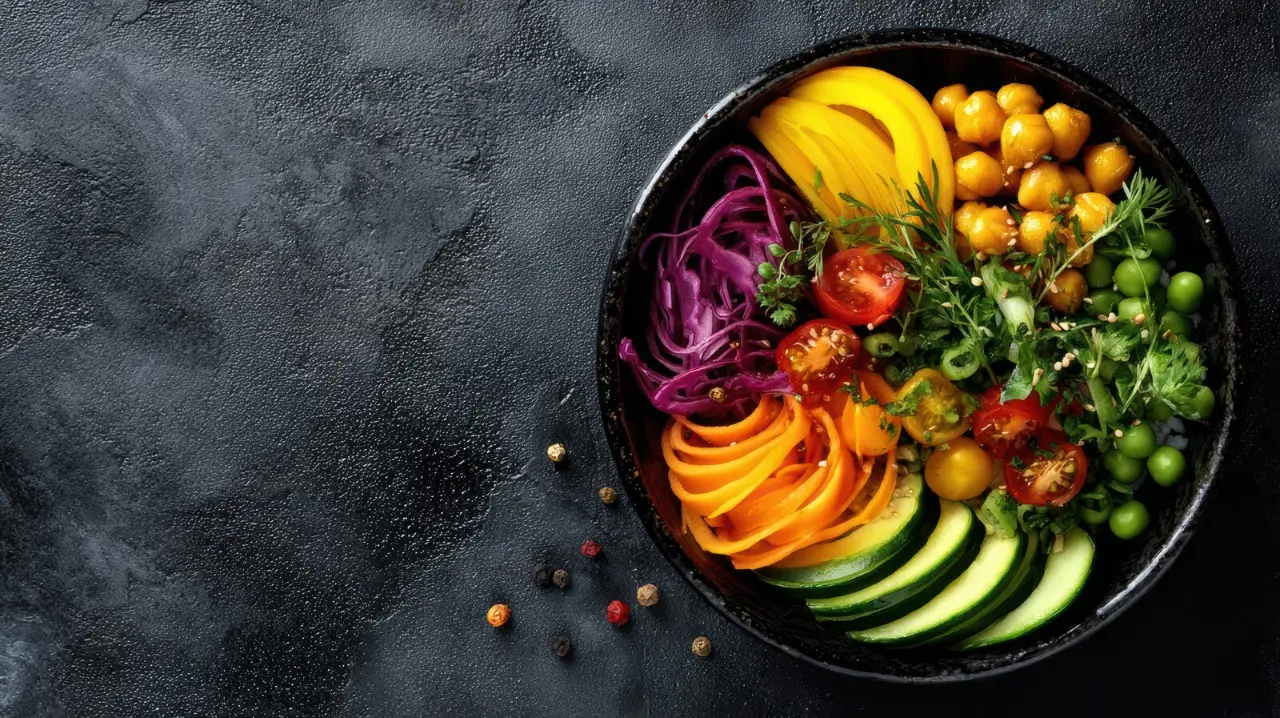

If you have swapped meat and dairy for more plants over the last few years, you are in good company. Meat free eating has been steadily climbing across the UK, and most people who make the switch feel better for it almost straight away. More fibre, more variety, often less saturated fat. But there is one nutrient that plant based eating quietly puts at risk, and it rarely gets the attention it deserves. Vitamin B12.
Unlike iron or calcium, where plant foods can mostly cover your needs if you plan well, vitamin B12 is different. It is not a case of eating the right vegetables or grains. B12 simply is not made by plants at all, and getting enough of it on a vegan or vegetarian diet usually means a deliberate choice, not a lucky side effect of eating well.
Why B12 breaks the usual rules
Almost every other vitamin and mineral you need can be found somewhere in the plant kingdom if you look hard enough. Vitamin B12 is the exception. It is made by bacteria, not plants or animals, and it ends up in meat, fish, eggs and dairy because those animals either host B12 producing bacteria in their gut or eat other animals that do.
This is why claims about seaweed, spirulina or fermented foods being good vegan sources of B12 do not really hold up. Some of these foods do contain B12 like compounds, but a meaningful chunk of it is in a form your body cannot actually use, or worse, can block the real B12 you get from elsewhere. The British Dietetic Association and most dietitians are fairly blunt about this: without fortified foods or a supplement, a fully plant based diet will not reliably supply enough B12 over the long term.
52% of vegans in one UK study were classed as B12 deficient
Compared with 7% of vegetarians and almost none of the meat eaters in the same group
That particular study used a fairly strict cut off point for deficiency, and other research puts the range anywhere from 5% to over half of vegans, depending on how deficiency is defined and how good people are at remembering their supplement. Still, the direction is consistent across study after study. Vegans are at meaningfully higher risk than vegetarians, and vegetarians carry some risk too, just less of it.
Who actually needs to think about this
It is tempting to file B12 under "a vegan problem" and move on, but that misses a few other groups who are just as likely to run low, sometimes more so.
Plant based eaters
Vegans are at the highest risk since animal foods are the only reliable natural source. Vegetarians who eat plenty of eggs and dairy are somewhat protected, but not immune.
People over 50
Stomach acid naturally declines with age, and you need it to release B12 from food. Many older adults absorb B12 poorly even when they eat meat and dairy regularly.
Pregnant and breastfeeding women
Needs rise to support the baby's development. A mother who is low herself can pass that shortfall on, which is one reason prenatal advice always covers B12.
People on certain medications
Metformin, used widely for type 2 diabetes, and long term acid reducing medicines such as omeprazole can both lower B12 absorption over months and years of use.
There is also a smaller group with pernicious anaemia, an autoimmune condition where the body cannot absorb B12 from food at all, regardless of diet. That needs ongoing medical treatment rather than a dietary fix, so if you have been told you have it, this article is not a substitute for your GP's advice.
None of this is a reason to feel anxious about going plant based. It is simply a nutrient that needs a slightly different approach than the rest of your diet. Most people who stay on top of it treat B12 the way they treat brushing their teeth: a small, repeatable habit rather than something they think hard about every day.
The symptoms that are easy to write off
Part of what makes B12 deficiency sneaky is that it builds slowly. Your liver stores several years' worth, so the first signs can take a long time to show up, and once they do, people often blame something else entirely. Stress, poor sleep, getting older.
Early B12 deficiency rarely announces itself. It shows up as tiredness you cannot quite explain, long before any blood test is ordered.
The NHS groups the symptoms into two broad categories, and it is worth knowing both because they do not always appear together.
What to watch for
Extreme tiredness, breathlessness, headaches, a sore or red tongue, mouth ulcers and low mood
Pins and needles, numbness, poor balance, muscle weakness and, in some cases, memory or concentration problems
One detail that catches a lot of people out: a high folate intake, which is common among people eating plenty of fruit, vegetables and fortified cereals, can mask the usual blood markers of B12 deficiency. This means someone can be genuinely low on B12 while their standard blood results still look fairly normal. If you have switched to a plant heavy diet and have been feeling off for a while, it is worth asking specifically for a B12 check rather than assuming a routine blood test would have caught it.
A simple blood test through your GP surgery is usually all it takes to settle the question. It is a far better starting point than guessing from symptoms alone, since fatigue and low mood have so many possible causes. If the result does come back low, your GP can also help rule out pernicious anaemia before you simply reach for a supplement.

How much you need and where to get it
The UK reference intake for adults is 1.5 micrograms a day, which is a genuinely small amount. The challenge for plant based eaters is not the quantity, it is finding a reliable source at all.
| Food | Typical serving | Approximate B12 |
|---|---|---|
| Cod fillet | 140g | 2.8mcg |
| Cow's milk | 250ml | 1.1 to 1.4mcg |
| Beef, lamb or pork | 50g | around 1.0mcg |
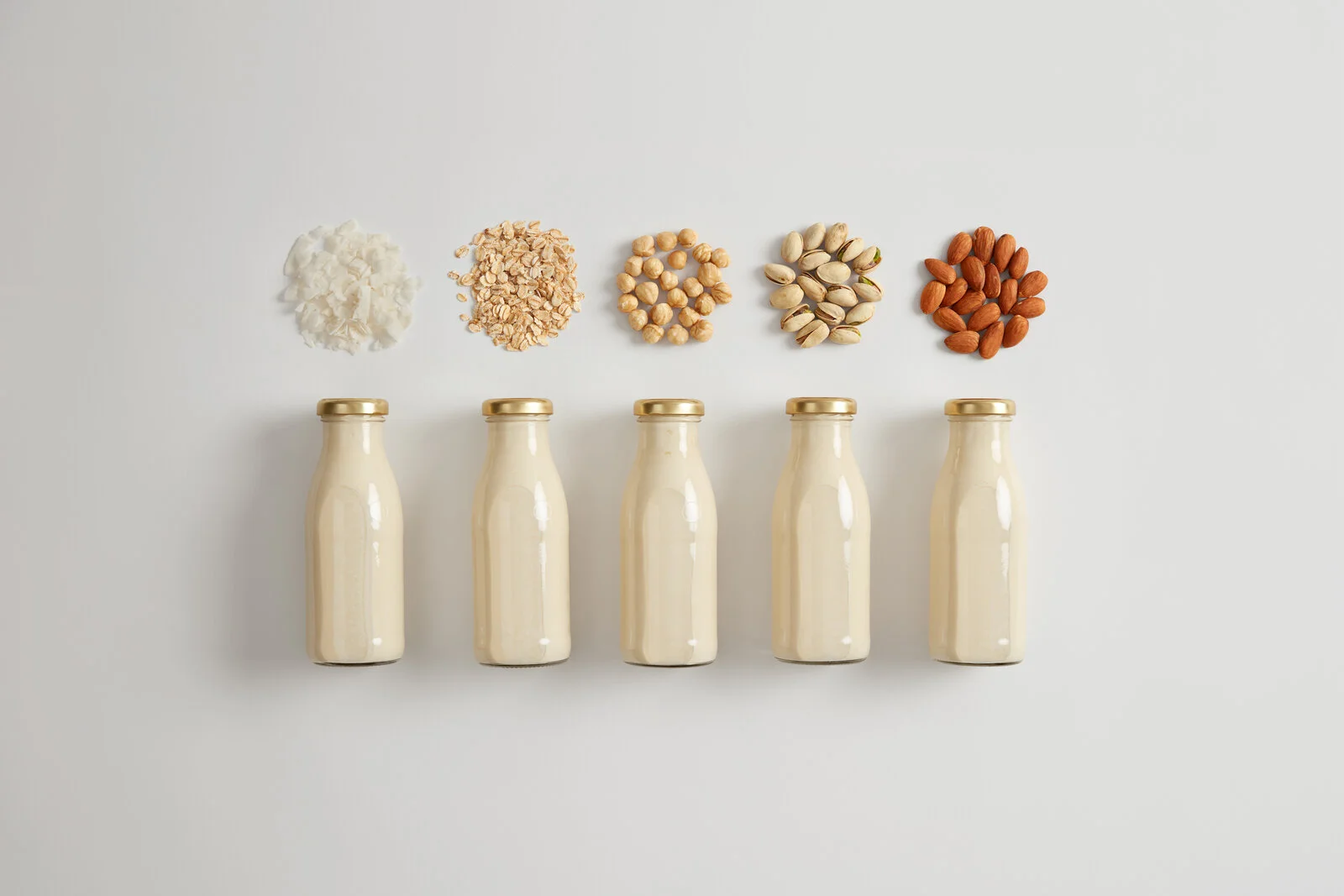
| Fortified plant milk | 250ml | 1.0 to 1.1mcg (check the label) |
| Fortified breakfast cereal | typical bowl | varies by brand, check the label |
| Nutritional yeast or yeast extract | typical serving | varies, some brands cover a full day's worth |
Notice that almost every plant based entry on that list comes with the same caveat: fortification varies by brand. Two cartons of plant milk sitting side by side on a supermarket shelf can have completely different B12 content, and some have none added at all. Checking the nutrition label, rather than assuming, genuinely matters here.
Lean on fortified foods first
Fortified plant milks, yeast extract and many breakfast cereals are the most practical everyday source if you are not eating animal products.
Check the label every time
Do not assume a product is fortified just because a similar one usually is. Brands and even recipes change.
Take a supplement if you are vegan
Most dietitians recommend a daily supplement of at least 10mcg, or a larger weekly dose of around 2mg, rather than relying on fortified food alone.
Get a blood test if you are unsure
If you have been plant based for a while and feel persistently tired, foggy or off balance, ask your GP for a B12 check rather than guessing.
A few common questions
Can I get enough B12 from spirulina or seaweed?
Not reliably. These foods contain B12 analogues that your body largely cannot use, and in some cases they can interfere with the absorption of real B12 from other sources. They should not be treated as a replacement for fortified food or a supplement.
Is it possible to take too much B12?
Vitamin B12 is water soluble and any excess is normally passed out in urine, so it has a good safety record even at higher doses. That said, UK guidance generally advises not to routinely exceed around 2mg a day from supplements without medical advice, and it is always sensible to check with a pharmacist or GP before starting a new supplement, especially if you take other medication.
I eat eggs and cheese occasionally. Am I still at risk?
Your risk is lower than a strict vegan's, but it is not zero. How much protection you get depends entirely on how often and how much you actually eat. If dairy and eggs appear in your diet only occasionally, it is worth tracking your intake for a week or two to see whether you are genuinely close to the 1.5mcg daily target.
Do B12 injections work better than tablets?
For most dietary deficiency, oral tablets or sprays work perfectly well because enough B12 still gets absorbed even without the usual stomach mechanism. Injections tend to be reserved for people with pernicious anaemia or absorption problems, where the normal digestive route is not working properly. That decision sits with a GP, not something to self manage.
The Bottom Line
Going plant based does not have to mean running low on B12, but it does mean you cannot leave it to chance. Build fortified foods into your regular shop, add a daily or weekly supplement if you are vegan, and get a blood test if anything feels persistently off. It is one of the simplest nutrition gaps to close, as long as you know it is there.