
If you have started Mounjaro, Wegovy or one of the other weight loss injections in the past year, you are in good company. More than 1.6 million adults in the UK have used one of these medicines, and industry estimates suggest over 2 million people are now paying for them privately, roughly seven times the number receiving them through the NHS. They work brilliantly at doing the one thing dieting has always struggled with: turning down the volume on appetite.
But that is also where the trouble starts. When your appetite drops off a cliff, so does everything else you would normally eat alongside it: protein, fibre, vitamins, the lot. Several studies now warn that a meaningful chunk of the weight people lose on these drugs is muscle, not fat, and that many users are never given any nutrition advice at all. This guide is not about whether you should be on a GLP-1 medicine. It is about how to eat well while you are on one, so the weight you lose is the weight you actually want to lose.

Why this matters more than people realise
Medicines like Mounjaro (tirzepatide), Wegovy and Ozempic (semaglutide) work by mimicking hormones your gut releases after eating, which slow down digestion and switch off hunger signals in the brain. The result is that most people simply feel full sooner and stay full for longer. For anyone who has spent years fighting cravings, that can feel like a genuine relief.
The problem is that these drugs do not know the difference between a plate of chips and a plate of chicken and vegetables. They just turn the volume down on your overall intake. If you were already eating a fairly balanced diet, a smaller version of that diet is usually fine. If your old diet leaned heavily on convenience food, a much smaller version of it can leave you short on the nutrients your body still needs, especially protein.
1.6m+ UK adults used a weight loss injection in the past year
With over 2 million more paying privately, use has grown far faster than nutrition advice has kept up
The muscle loss problem nobody warns you about
This is the part that tends to get missed in the excitement around the numbers on the scale. Research presented at recent endocrinology conferences and published in peer reviewed journals has found that a substantial share of the weight lost on GLP-1 medicines, in some studies as much as forty percent, comes from lean mass rather than fat. Lean mass includes muscle, and muscle is not just about how you look. It supports your metabolism, your strength, your balance as you age, and how easily your body handles blood sugar.
Muscle loss happens for a simple reason. When your total food intake drops sharply, your protein intake tends to drop with it, often faster than anything else, because protein foods such as meat, fish, eggs and pulses are exactly the sort of larger, heavier meals that suddenly feel like too much. If you are not deliberately protecting your protein intake, your body will start breaking down muscle for fuel alongside fat.
None of this is a reason to panic or to come off your medication. It is a reason to treat food quality as seriously as your dose. Small, consistent changes to what you eat can protect the muscle you have while you lose the fat you do not want.
How much protein you actually need
The standard UK guideline for protein, the Reference Nutrient Intake, is built around a body that is staying roughly the same weight. It works out at about 0.75 grams of protein per kilogram of body weight per day for most adults. That is not the right target once you are losing weight quickly on a GLP-1 medicine, because you need extra protein to signal your body to hold on to muscle while the fat comes off.
Most obesity dietitians and researchers now recommend a noticeably higher target for anyone in this position.
Protein targets while losing weight on a GLP-1 medicine
What the evidence points to
per kilogram of body weight, per day
of protein per meal, where you can manage it
smaller meals or snacks a day tends to work better than two large ones
of weight lost can be lean mass without enough protein and activity
For an adult who weighs 80 kilograms, that upper figure works out at around 128 grams of protein a day. That sounds like a lot until you break it down. A couple of eggs, a portion of Greek yoghurt, a chicken breast at lunch, and a portion of fish or lentils in the evening will get most people close to it without a single protein shake in sight.
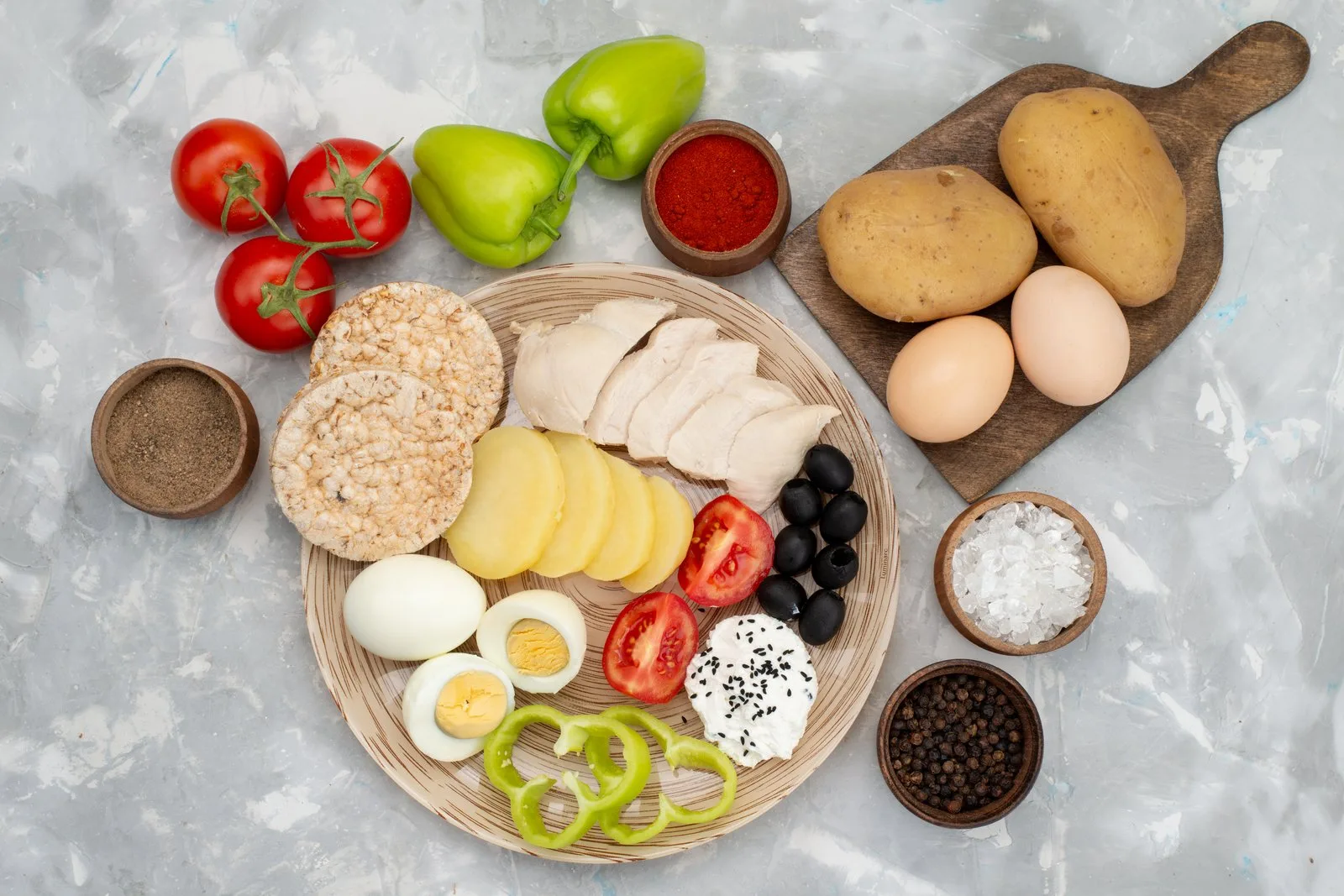
If you do struggle to hit these numbers through food alone, particularly in the first few weeks when nausea is at its worst, a protein shake or a high protein yoghurt drink is a perfectly reasonable stopgap. It is not cheating. It is simply a more concentrated way to get the same nutrient in when a full meal feels impossible.
Getting food down when nothing appeals
Nausea, early fullness and a general disinterest in food are extremely common, especially when you first start or increase your dose. The good news is that a handful of practical adjustments make a real difference for most people.
Eat little and often
Three smaller meals with a snack or two in between tend to sit better than two big meals. Aim for something every three to four hours rather than waiting until you are starving.
Protein first, vegetables second
If your stomach fills up fast, eat the protein and vegetables on your plate before the rice, pasta or bread. That way the food that matters most goes in first.
Go plain when nausea hits
Rich, greasy or heavily spiced meals are far more likely to trigger nausea than plain ones. A boiled egg, some crackers, plain chicken or a bit of toast are usually easier to manage than a curry or a fry up.
Sip rather than gulp
Drinking a large glass of water or a fizzy drink alongside a meal can make fullness and bloating worse. Small sips through the day work better than a big glass in one go, and it is worth skipping carbonated drinks if reflux or bloating is an issue.
Try ginger or peppermint tea
Both are widely recommended for settling nausea and are an easy, low effort thing to keep in the cupboard for a rough day.
Fibre, water and the constipation problem
Constipation is one of the most commonly reported side effects of these medicines, and it makes sense once you think about it. You are eating less overall, your gut is moving more slowly by design, and if your fibre and fluid intake have quietly dropped along with your appetite, things can grind to a halt.
The fix is not complicated, but it does need to be deliberate, because fibre is easy to forget when you are eating smaller portions.
Add fibre gradually
(Adding too much too fast can cause bloating.)
- Oats and wholegrain bread
- Prunes and kiwi fruit
- Linseeds stirred into yoghurt
- Beans and lentils in small portions
Stay ahead on fluids
(Dehydration makes constipation worse.)
- Water throughout the day, not just at meals
- Herbal teas count towards your total
- Limit fizzy drinks if bloating is an issue
- Watch for dark urine as a warning sign
Keep moving
(Even light activity helps digestion.)
- A short daily walk
- Standing up and stretching regularly
- Gentle resistance work to protect muscle too
A sample day of eating
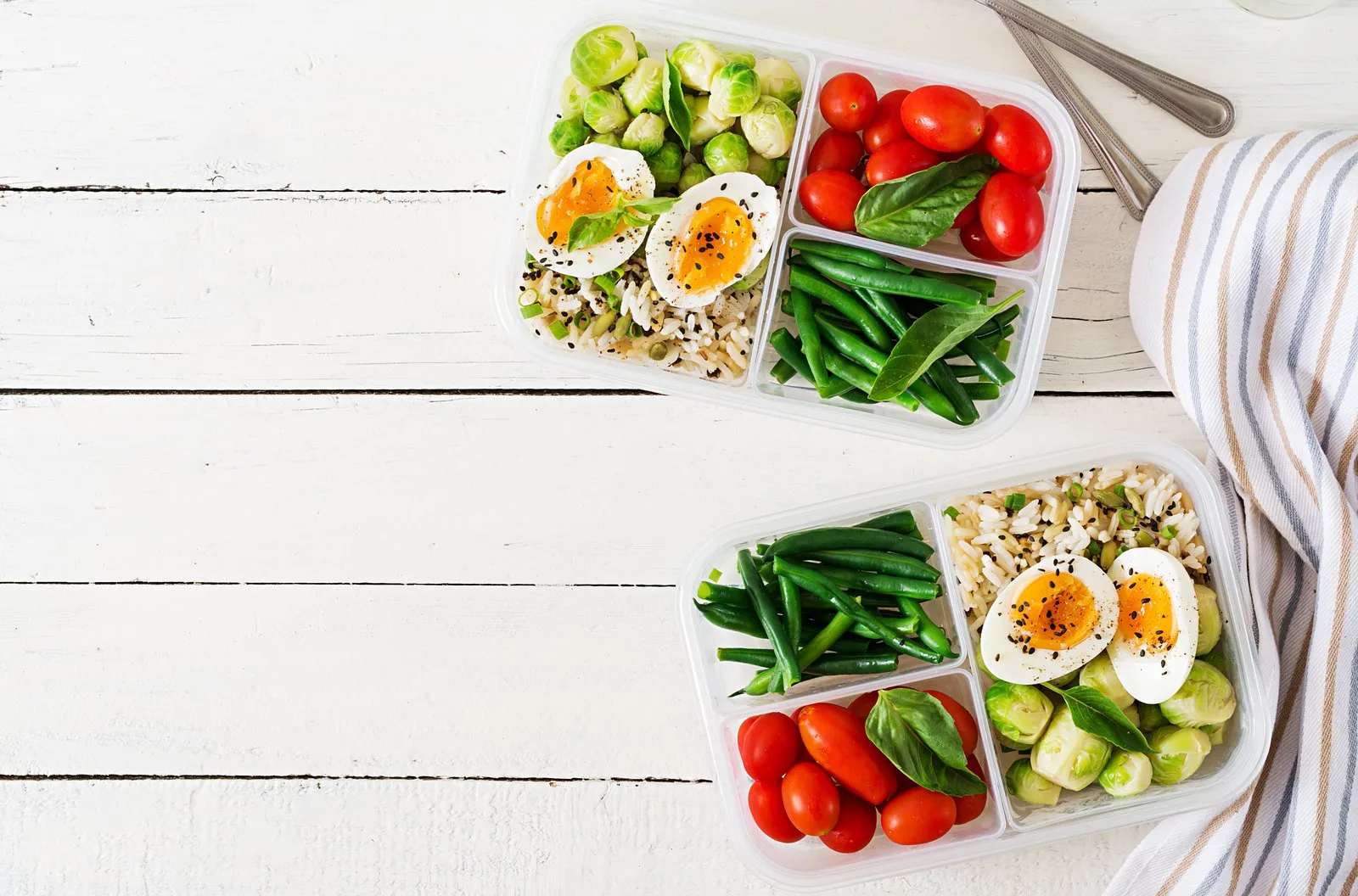
There is no single correct meal plan, and your own appetite, tolerance and food preferences should always come first. But it helps to see what a realistic day can look like when protein and fibre are the priority, without anything that requires a big appetite in one sitting.
| Meal | Example | Why it works |
|---|---|---|
| Breakfast | Greek yoghurt with berries and a spoon of oats | High protein, gentle on the stomach, some fibre built in |
| Mid morning | A boiled egg or a small handful of nuts | Easy protein top up if breakfast was light |
| Lunch | Tinned fish or chicken with a small jacket potato and vegetables | Protein first approach, easy to eat slowly |
| Afternoon | A pot of cottage cheese or a protein yoghurt drink | Concentrated protein without needing a big appetite |
| Dinner | A small portion of lentil dahl or a lean meat stir fry | Fibre and protein together, gentle spicing |
| Evening | Herbal tea and a couple of prunes if needed | Supports digestion without a heavy snack |
The micronutrients worth keeping an eye on
Beyond protein and fibre, eating a lot less food overall can quietly chip away at your intake of certain vitamins and minerals, particularly if your diet is heavily reduced or repetitive for a long stretch. This is one of the areas researchers are actively studying, and while it is not a reason to panic, it is worth being aware of.
Watch for
Iron and B12
Found mainly in meat, fish, eggs and fortified cereals, both can run low if meat and fish portions shrink a lot.
Watch for
Calcium and vitamin D
Important for bone health, especially relevant if dairy intake drops. The NHS already recommends a vitamin D supplement for most UK adults over the autumn and winter.
Watch for
Potassium and electrolytes
Can be affected by reduced intake combined with vomiting or diarrhoea, so it is worth mentioning any of these symptoms to your GP or pharmacist promptly.
A basic multivitamin is a sensible safety net for a lot of people on these medicines, but it should not replace the goal of eating real food regularly. Supplements fill gaps. They do not replace the protein, fibre and general nourishment that only food can provide.
Think of food quality as the other half of the treatment, not an afterthought to it.
Common questions
Do I need to count calories as well as watching protein?
Not necessarily. Most people on these medicines naturally eat far fewer calories without trying, simply because they feel full sooner. The more useful habit is checking the quality of what you do eat, particularly protein and fibre, rather than obsessively tracking calories on top of an already reduced appetite.
Is it safe to keep exercising while on a GLP-1 medicine?
Gentle to moderate exercise, especially resistance or strength based activity, is actively encouraged because it helps protect muscle mass while you lose weight. If you feel light headed, very fatigued or unwell, scale back and speak to your GP or prescriber rather than pushing through.
Should I take a protein supplement every day?
Only if you cannot reliably hit your protein target through food. Whole foods bring other nutrients along with the protein, so they are the better first choice. A shake or protein yoghurt is a useful backup on days when appetite is very low.
What should I do if I cannot keep enough food down?
Speak to your GP, prescriber or a registered dietitian promptly. Persistent vomiting, an inability to keep fluids down, or rapid unexplained weight loss are all signs that your dose or approach may need adjusting, and support is available.
The Bottom Line
Weight loss injections are remarkably good at switching off appetite, but they cannot tell the difference between a nutritious meal and an empty one. Protecting your protein, fibre and fluids while you are on one is not optional extra credit. It is what decides whether you come out the other side lighter and stronger, or just lighter.