
Weight loss

Check the calories in food before it goes in your basket

Scan the barcode with Bite Insight, a free app for UK supermarket food, and see how calorie dense it is, rated from Low to Very High, with sugar and saturated fat next to it. Add Weight Loss to your profile and it also picks out added sugars and refined starches like glucose syrup and maltodextrin. Ratings are per 100g, so allow for how much you’ll eat.

Eating less is simple in theory
and hard in a supermarket

Most of the calories in a weekly shop come from food somebody else made. The pack tells you what’s in it, but you have to know where to look, and the numbers on the front are often for a portion smaller than the one you’ll eat.

0
adults in England are overweight or living with obesity

The Health Survey for England puts it at around 64% of adults. Carrying extra weight raises the risk of type 2 diabetes, heart disease and some cancers, and losing even a small amount can help.

0
is the guide for breakfast

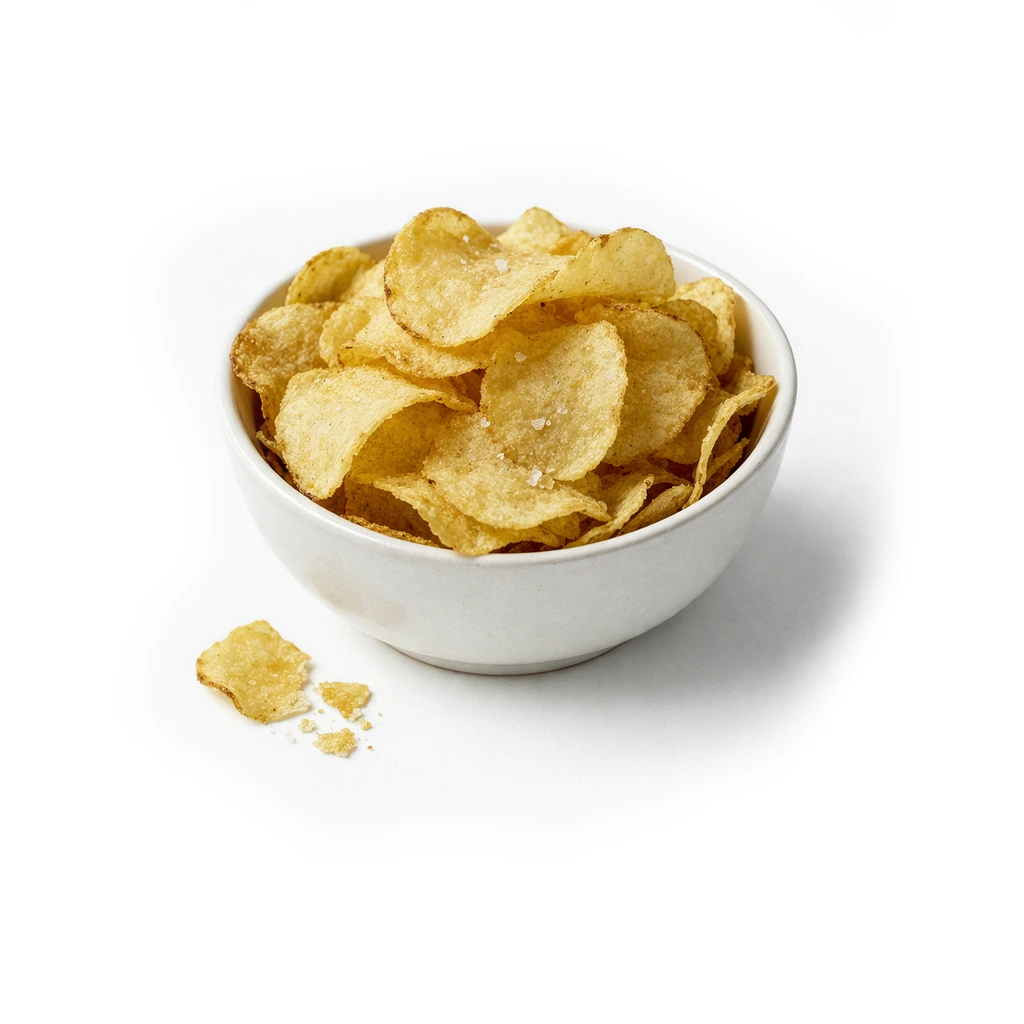
Public Health England’s rule of thumb is 400 calories for breakfast, 600 for lunch and 600 for dinner, with a little room for snacks and drinks. A large bag of crisps can use up a whole breakfast’s worth.

0
less fat is all “reduced fat” has to mean

A “reduced fat” or “light” product only needs 30% less fat than the standard version. It can still be high in fat, and some make up the taste with added sugar, so the calories don’t always drop much.

Quick guide

How to check the calories in food at the supermarket

Calories on a UK label come in two places: per 100g on the back, and per portion on the front. The per 100g figure is the one to compare products with. The per portion figure is only useful if your portion matches theirs. You can let the app read the label for you, or check it yourself.

With Bite Insight

Let the app read the calories

  1. Add Weight Loss to your profile

    It’s under diets and lifestyles, and you can add it when you sign up or later in settings. Once it’s set, Calorie density is the first rating you see after a scan, with Saturated fat and Sugar under it. The traffic lights in the Nutrition tab get stricter too.

  2. Scan the barcode

    Point your phone at the barcode and you get a Calorie density rating from Low (green) to Very High (red), worked out from the calories per 100g. Under Flagged ingredients you’ll see added sugars and refined starches, like glucose syrup, honey, maltodextrin and white flour, plus palm oil and hydrogenated fats.

Scan your first product free
Your calorie density rating
  • Low
  • Moderate
  • High
  • Very High

Rated from calories per 100g, so allow for your portion.

Checking the pack yourself

Four checks on the back of the pack

Compare calories per 100g

Use the per 100g column to compare two products of the same kind, like two cereals or two cooking sauces. It’s the only figure that’s measured the same way on every pack. Food with a lot of water or fibre, like soup, fruit and vegetables, tends to be low. Food with a lot of fat or sugar and little water, like crisps, biscuits and granola, tends to be high.

Check the portion against yours

The front of pack shows calories for the maker’s portion, like 30g of cereal or half a pizza. If you eat twice that, double it. Weighing your usual bowl once or twice is the quickest way to find out how far off you are.

Read the traffic lights

The NHS suggests picking more greens and ambers. The colours cover fat, saturated fat, sugars and salt. Calories are shown on the front but aren’t colour coded, so a pack with no red can still be high in calories. Check the per 100g figure as well.

Don’t take “light” at its word

“Light” and “reduced fat” mean 30% less than the maker’s standard version, which can still be a lot. “Low fat” has a fixed limit: 3g or less per 100g. “Low calorie” means 40 kcal or less per 100g. If a product makes a claim, the calories are usually worth comparing with the regular one.

Some people shouldn’t cut calories without advice

The NHS says not to diet to lose weight while you’re pregnant. If you have cystic fibrosis, an eating disorder, or a condition your doctor or dietitian is managing, talk to them before you cut back. Bite Insight warns you if you add Weight Loss alongside pregnancy or cystic fibrosis in your profile, but it can’t tell you whether a diet is right for you.

Where the calories show up on a UK label

Energy per 100g

Where to find it
Nutrition table on the back or side of the pack, first row
What to look for
The kcal figure, not kJ. Use it to compare products of the same kind.

Energy per portion

Where to find it
Front of the pack, and the second column of the nutrition table
What to look for
The portion size it’s based on, and the % of an adult’s reference intake of 2,000 kcal.

Traffic lights

Where to find it
Front of the pack, if the maker uses them
What to look for
Red for fat (over 17.5g per 100g), saturated fat (over 5g) or sugars (over 22.5g) usually means a lot of calories too.

Sugar in the ingredients

Where to find it
Ingredients list, which runs from most to least by weight
What to look for
Sugar, glucose syrup, dextrose, honey, agave, invert sugar. Several of these spread through the list can add up to a lot.

Refined starches

Where to find it
Ingredients list
What to look for
White or wheat flour, cornflour, maltodextrin. They add calories without much fibre to fill you up.

Claims on the front

Where to find it
Front of the pack
What to look for
“Low fat” is 3g or less per 100g. “Reduced” and “light” only mean 30% less than the standard version.
Under the hood

How Bite Insight works this out

The Calorie density rating comes from one number: the calories per 100g on the label. It doesn’t look at the serving size or keep a daily count. Low means 100 kcal or less per 100g, Moderate goes up to 250, High up to 400, and anything over 400 is Very High. The Saturated fat and Sugar ratings sit underneath and use the per 100g figures in the same way. The ingredient flags are a separate check. The app reads the ingredients list for added sugars, refined starches, palm oil and hydrogenated fats, and marks each one it finds as harmful for Weight Loss.

Bite Insight gives general food information, not medical advice. The Calorie density rating is the app’s own guide, worked out from calories per 100g. If you’re trying to lose weight, your GP or practice nurse can tell you about free NHS weight management support in your area, and whether it suits you.

Built around your goal

Bite Insight doesn’t give everyone the same results. Add Weight Loss to your profile once and every scan puts calories first.

Calorie density Very High

Calorie density rating

Every scan shows a Calorie density rating from Low to Very High, worked out from the calories per 100g. Saturated fat and Sugar ratings sit under it.

Limit
Calories
520 kcal / 100g High
Sugars
2.1g / 100g Low

Stricter traffic lights for you

With Weight Loss in your profile, the Nutrition tab marks calories, fat and sugar as high sooner. Calories count as high above 200 kcal per 100g, where the standard line is 300. Added sugars and refined starches are flagged on every scan too.

Flag feature preview, decorative

Flag ingredients you want to avoid

plus

Added sugars and refined starches are already flagged for free. With Bite Insight+ you can add anything else you’re cutting out, like sweeteners or alcohol, and it gets picked out on every scan.

Feature spotlight

See how calorie dense a product is at a glance

The Calorie density rating looks at the calories per 100g on each product and rates it from Low to Very High. It doesn’t count your calories for the day. It tells you which foods pack a lot into a small amount.

Low 100 kcal or less per 100g
Moderate More than 100 and up to 250 kcal per 100g
High More than 250 and up to 400 kcal per 100g
Very High More than 400 kcal per 100g
Calorie density rating icon at Low

From scan to confidence in seconds

No more working out calories per portion in the supermarket aisle.

Scanning a food product barcode with a smartphone

Scan the barcode

Point your camera at the barcode, in the supermarket or at home. Or search for the product by name.

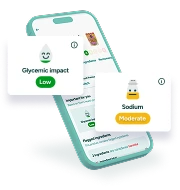
Bite Insight app showing personalised calorie and sugar insights

Get your insights

Bite Insight checks the product against your Weight Loss profile and shows what matters. The Calorie density rating, sugar and saturated fat, any added sugars and anything on your own avoid list.

A bowl of salad, a lower calorie choice

Shop with confidence

Swap the calorie-dense things you buy every week for ones that fill you up for less, without learning every label off by heart.

Where you shop

Use it in the supermarkets you already go to

Bite Insight works with food from the big UK supermarkets, own-brand ranges included. If you shop in the UK, pick your supermarket in the app and swaps from that shop are shown first.

  • Tesco
  • Sainsbury’s
  • Asda
  • Morrisons
  • Aldi
  • Lidl
  • Waitrose
  • Co-op
  • M&S

Bite Insight isn’t linked to any of these supermarkets.

Start free. Upgrade when you’re ready.

The tools for checking calories while you shop are free. Calorie density ratings, ingredient flags and the full nutrition table on every scan.

Select a version

Everything you need to check calories and spot added sugars while you shop.

Bite Insight includes

Calorie density rating Low, Moderate, High, Very High

Personalised warnings based on your Weight Loss profile

Full nutrition breakdown including calories, sugar and fat on every scan

200,000+ UK food and drink products

Free

No subscription or payment details required.

Get the free app

Extra tools for planning meals and shopping for the whole household.

Bite Insight+ includes

Flag anything else you’re cutting out
Family profiles so you can scan for others too
Global barcode scanning
Access to over 4.9 million products worldwide
Plan your meals for the week with the meal planner
Plus everything in the Free version
£3.99/ month

Subscription renews automatically. Cancel anytime.

Upgrade to Bite Insight+

Common questions

About using Bite Insight to lose weight.

Yes. Bite Insight is a free app that scans UK supermarket food and shows the calories per 100g and per portion, with a Calorie density rating from Low to Very High. Add Weight Loss to your profile and it puts that rating first, with Sugar and Saturated fat under it, and flags added sugars like glucose syrup and maltodextrin. There’s no scan limit on the free version.

No. It rates each product from its calories per 100g so you can compare foods while you shop. It doesn’t keep a food diary or a daily total. If you plan meals in the app, the meal planner adds up the calories for each meal and warns you when one goes over 700 kcal.

It uses the calories per 100g on the label. 100 kcal or less is Low, up to 250 is Moderate, up to 400 is High and anything over 400 is Very High. It doesn’t look at serving size, so a Very High food can still fit if you eat a small amount, like a sprinkle of cheese or a few nuts.

Per 100g lets you compare any two products fairly, because it’s the same amount every time. Per portion tells you what you’ll actually eat, but only if your portion matches the maker’s. Use per 100g to choose between products, then check the portion size against how much you really have.

Not always. Under UK rules, “light” and “reduced fat” only mean 30% less fat than the standard version of that product. Some make up for it with added sugar or starch, so the calories don’t fall by as much. Compare the kcal per 100g with the regular version before you swap.

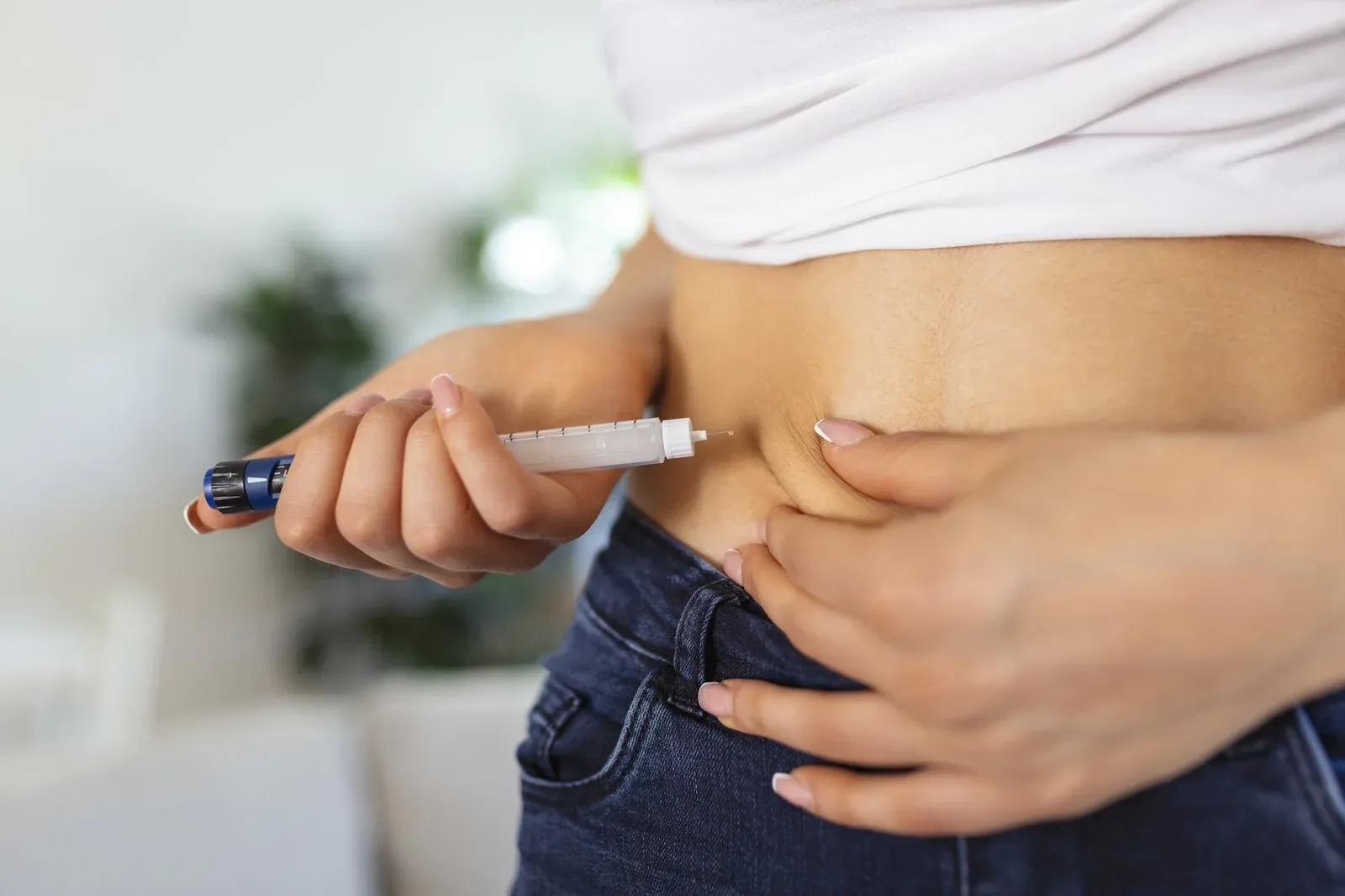
It can help you choose food, but it doesn’t know about your medicine. People on these injections often eat much less, so getting enough protein and nutrients from smaller meals matters more. The Nutrition tab shows protein, fibre and the rest for every product. Your prescriber or the NHS service that gave you the injection can tell you what to aim for.

Yes. You can add as many conditions, allergies and diets as you need, and every scan takes them all into account. The app will warn you if Weight Loss clashes with something else in your profile, like pregnancy or cystic fibrosis, where cutting calories usually isn’t advised.

No. Bite Insight gives food information to help you make choices in the shop. It isn’t a substitute for advice from your GP, practice nurse or dietitian. If you want help losing weight, your GP can tell you about free NHS weight management services near you.