



Read the bold words in the ingredients
The FSA says the 14 allergens must be emphasised in the ingredients list of prepacked food. It’s often bold, but italics or colour are allowed too. Read the whole list, not just a “contains” box.
Scan the barcode with Bite Insight, a free app for UK supermarket food, and it checks the ingredients and allergen info for milk, including whey, casein and cheese powder. You’ll see a red Warning if milk is listed and an amber card for “may contain” traces. It works from product data, which can be out of date, so read the pack before anyone eats it.

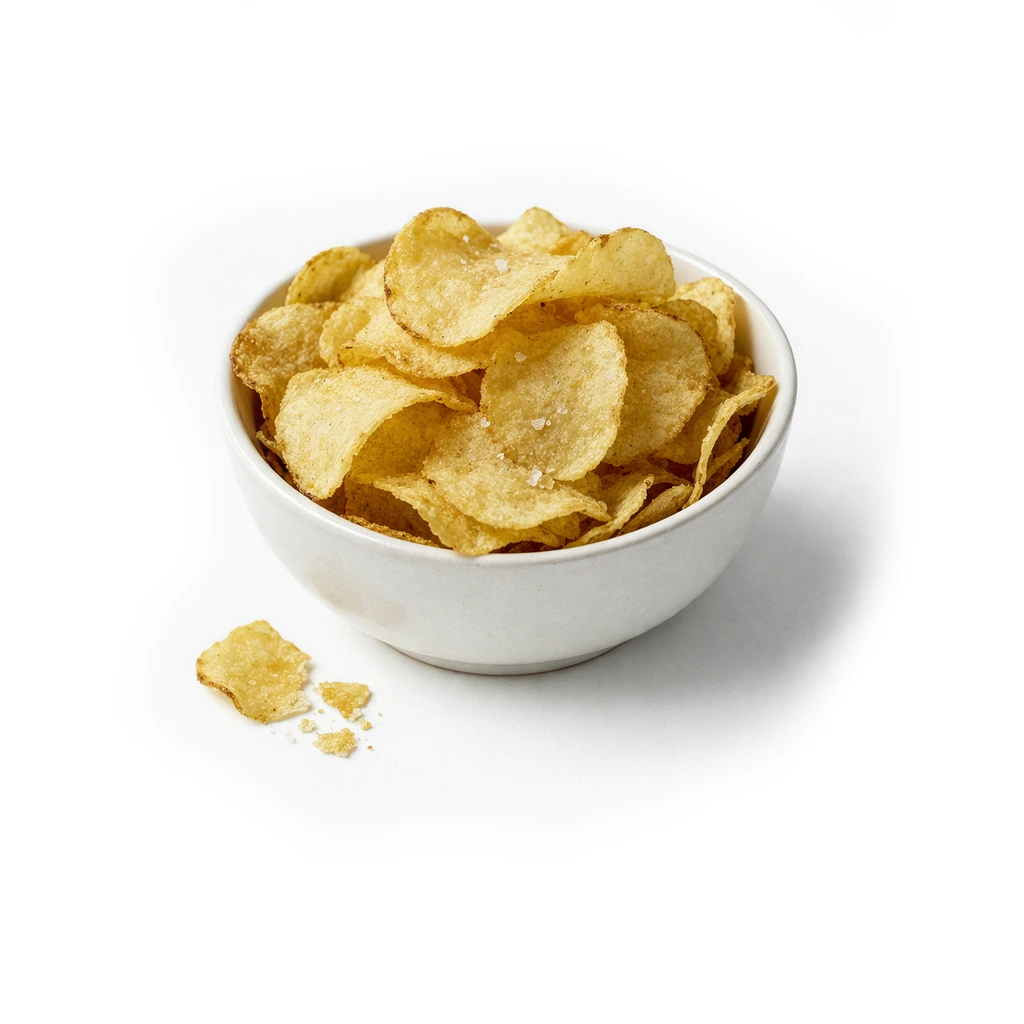
Whey in a bag of crisps. Casein in a sausage. Butter in a loaf of bread. With a milk allergy, every packet needs checking, and the word “milk” isn’t always the one on the label.
That’s Allergy UK’s figure. It’s one of the most common food allergies in young children, and symptoms often start in the first weeks and months of life.
Allergy UK says most children grow out of a milk allergy by five, and those with the delayed type tend to outgrow it sooner. A small number keep it into adulthood.
Milk is one of them. The Food Standards Agency says it must stand out in the ingredients list of prepacked food. “May contain” warnings aren’t a legal requirement, so the wording varies.
UK law says milk must be emphasised in the ingredients list of prepacked food, often in bold, and that includes ingredients made from it, like whey or cheese powder. “May contain” lines work differently. There’s no legal requirement to use them. The app can do a first check, but the pack in your hand has the final say.
It’s under Allergies when you sign up, or later in settings. Shopping for a child? Bite Insight+ lets you set up a family profile for them with their own allergies, and switch to it before you scan.
If the ingredients or allergen info show milk, under any of its names, a red Warning card sits at the top of the results and the matching ingredients are marked as harmful. Traces get an amber May contain card. If the product has egg, you’ll also see a teal Caution card. With no ingredient list or allergen info, it tells you it couldn’t check.
No card doesn’t mean milk-free. Read the pack.
The FSA says the 14 allergens must be emphasised in the ingredients list of prepacked food. It’s often bold, but italics or colour are allowed too. Read the whole list, not just a “contains” box.

Allergy UK lists whey, casein and caseinates, lactoglobulin, lactalbumin, milk powder, milk sugar and milk protein. Butter, cream, cheese, ghee and yoghurt are milk too. Cheese powder often turns up in crisps and snacks.

Allergy UK says goat, sheep and buffalo milk are likely to cause reactions in people allergic to cows’ milk. Bite Insight flags them as milk, along with goat’s cheese and other cheeses by name.

Food sold loose or served in a café won’t have a barcode for the app to scan. The FSA says the business must give you allergen information. Food packed on site, like a sandwich made in store, must have a full ingredients list.
A milk allergy is the immune system reacting to the proteins in milk. Lactose intolerance is trouble digesting the sugar in milk, and it isn’t an allergy. Lactose-free milk, cheese and yoghurt still contain milk proteins, so they aren’t safe with a milk allergy. If it’s lactose you’re avoiding, our lactose intolerance guide is the one for you.


There’s no score here. The app looks at the allergen tags and ingredient list held for the product, plus any “may contain” line, and checks them for milk. It knows the other names, like whey, caseinate, ghee and milk solids, plus goat, sheep and buffalo milk and dozens of cheeses by name. It leaves out things that only sound like dairy, such as oat milk, coconut milk, cocoa butter and peanut butter. It errs on the wide side, so now and then it may flag something that isn’t milk, such as rennet. It only uses the product name when there’s no ingredient list, and it never tells you a product is milk-free.
The Warning, Caution, May contain and Not checked cards are all free. Family profiles and your own list of ingredients to flag are part of Bite Insight+ at £3.99 a month. Compare Free and Bite Insight+
Bite Insight gives general food information, not medical advice. It works from product data, which can be wrong or out of date, so read the pack every time. If someone has a severe reaction, the NHS says to use their adrenaline auto-injector straight away if they have one, then call 999, even if they seem to feel better. Ask your GP or allergy clinic whether “may contain” products are OK, and before trying any milk again.
Bite Insight doesn’t give everyone the same results. Add Dairy Allergy to a profile once and every scan checks for milk.
If a product contains milk, a red Warning card sits at the top of the results. The app reads the ingredients and allergen info, including other names like whey, casein and ghee.
A “may contain milk” line gets its own amber card, so you can tell it apart from milk in the recipe. When there’s no ingredient list or allergen info, the app says it couldn’t check.

With Bite Insight+ you can add family profiles, each with their own allergies. Switch to your child’s profile before you scan and the warnings are for them. You can also flag extra ingredients you’ve been told to avoid.
There’s no allergen score. The app shows a card at the top of the results for each thing it finds that matters to a milk allergy.

A quick first check in the aisle. The pack still has the final say.
Point your camera at the barcode, in the supermarket or at home. Or search for the product by name.
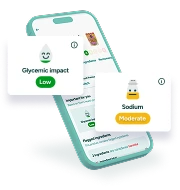
Bite Insight checks the ingredients and allergen info for milk under all its names and puts any warning at the top.
Spend less time decoding ingredient lists and more time on the rest of the shop.
Where you shop
Bite Insight works with food from the big UK supermarkets, own-brand ranges included. If you shop in the UK, pick your supermarket in the app and swaps from that shop are shown first.






Bite Insight isn’t linked to any of these supermarkets.
The core allergen tools are free. Milk warnings, may contain cards and the full ingredient list on every scan.

Everything you need to check food for milk while you shop.
Allergy cards Warning, Caution, May contain and Not checked
Personalised alerts based on the Dairy Allergy in your profile
Full ingredient breakdown with milk ingredients marked on every scan
200,000+ UK food and drink products
No subscription or payment details required.

Extra tools for families, including a separate profile for each child.
Subscription renews automatically. Cancel anytime.

Around 2 million people in the UK live with a food allergy. Here's what the 14 major allergens are, where they hide and how to read the label.


Traffic lights, hidden salt and sugar claims. Here's how to read a UK food label properly, and what the 2026 rule changes mean for shoppers.
About using Bite Insight with a cows’ milk allergy.
Yes. Bite Insight is a free app that scans UK supermarket food. Add Dairy Allergy to your profile and it checks the ingredients and allergen info for milk, including whey, casein, caseinates and cheese powder. You get a red Warning when milk is listed and an amber May contain card for traces. There’s no scan limit on the free version.
Yes. With Bite Insight+ you can add a family profile for your child with their own allergies, then switch to it before you scan. The app checks food labels and doesn’t give formula advice. If your baby has a cows’ milk allergy, their GP or dietitian will tell you which formula to use and whether you need to change your own diet while breastfeeding.
Allergy UK lists whey, casein and caseinates, lactoglobulin, lactalbumin, milk powder, milk sugar and milk protein. Butter, cream, ghee, cheese and yoghurt are milk too. On prepacked food the milk should be emphasised in the ingredients list, often in bold, like “whey powder (milk)”.
No. Lactose-free milk, cheese and yoghurt have had the milk sugar broken down, but the milk proteins that cause the allergy are still there. Bite Insight gives them a Warning. Look for milk in the ingredients, whatever the front of the pack says.
A milk allergy is an immune reaction to the proteins in milk, casein and whey, and it can be life-threatening. Lactose intolerance is trouble digesting lactose, the sugar in milk, and isn’t an allergy. In the app, pick Dairy Allergy for a milk allergy and Lactose Intolerance for lactose.
Bite Insight treats milk and egg as related, so a Dairy Allergy profile gets a teal Caution card when a product has egg in it. It doesn’t mean you need to avoid egg. Ask your GP or allergy clinic what applies to you or your child.
Usually not. Allergy UK says goat, sheep and buffalo milk are likely to cause reactions in people allergic to cows’ milk, because the proteins are similar. Bite Insight flags them as milk. Ask a dietitian about alternatives, especially for young children.
Bite Insight is a food information tool, not a medical device. It checks product data, which can be wrong or out of date, so use it alongside careful label reading, not instead of it. If you or your child has had anaphylaxis, follow your allergy team’s plan, carry the adrenaline you’ve been prescribed and call 999 in an emergency.