


Look for milk in bold
The FSA says the 14 allergens must be emphasised in the ingredients list of prepacked food, usually in bold. Whey, casein, cream, butter and cheese all come from milk, and you’ll often see “(milk)” after them.
Scan the barcode with Bite Insight, a free app for UK supermarket food, and it checks the ingredients and allergen info for milk and anything made from it, like whey, milk powder and cream. A red Warning means there’s milk in the product. The app can’t tell how much lactose that is, so you still decide what your gut can handle.
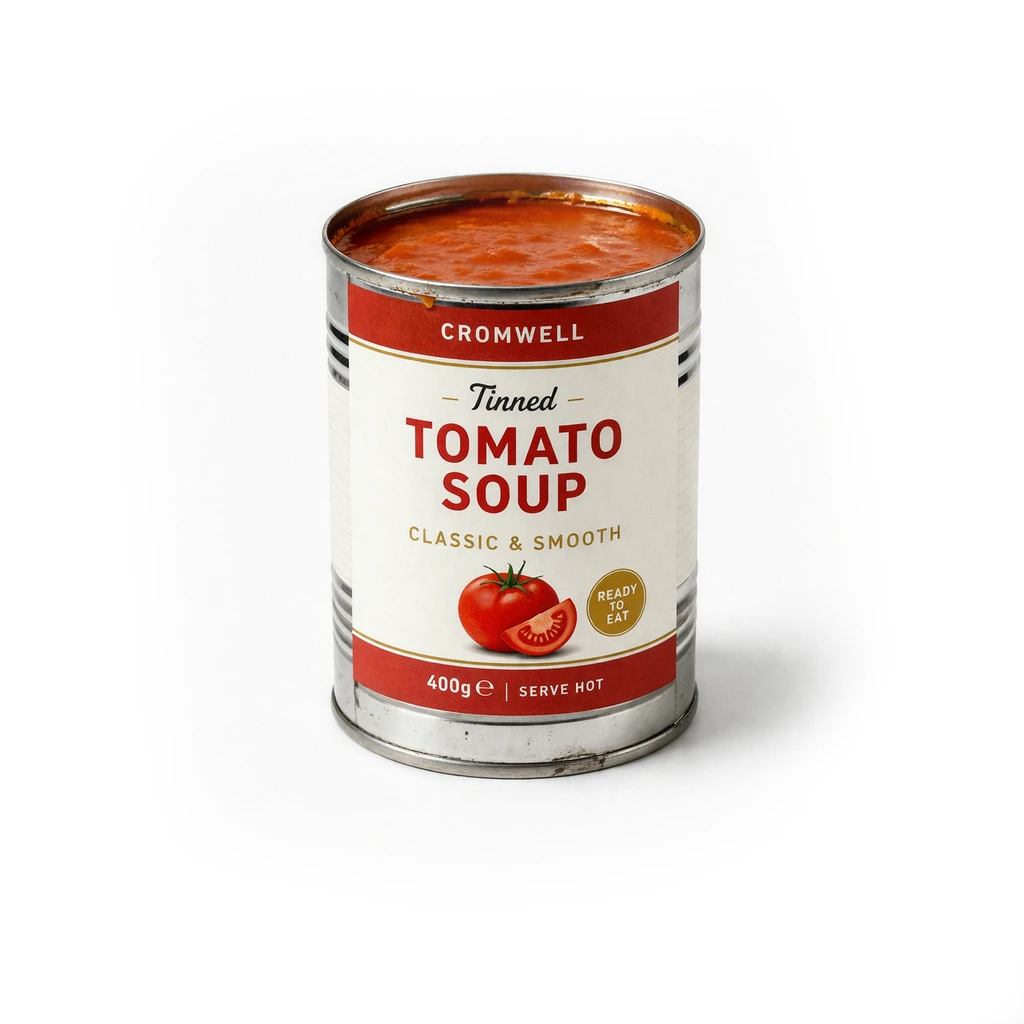
Soups, bread, crisps, sauces and protein shakes can all have milk in them. Labels don’t give a lactose figure, so you’re left reading the ingredients for milk and the things made from it.
That’s the threshold the NHS Specialist Pharmacy Service gives. It varies from person to person, which is why small amounts of dairy may be fine for you when a big glass of milk isn’t.
Milk is one of them, and the law counts lactose as part of milk. The Food Standards Agency says allergens must stand out in the ingredients list of prepacked food, so look for milk in bold.
That’s Allergy UK’s guide for adults and children over one. Cutting back on milk can cut your calcium too, so lactose-free dairy or fortified plant drinks help fill the gap.
There’s no lactose line on a UK label. Lactose is the sugar in milk, and UK law treats it as part of the milk allergen, so what you’re looking for is milk in the ingredients. The sugars figure in the nutrition table includes any lactose but doesn’t split it out. The app can do a first check for you. The pack in your hand has the final say.
It’s under Allergies when you sign up, or later in settings. You don’t need the Dairy-Free diet as well. If you pick both, the app takes Dairy-Free off again, because Lactose Intolerance already covers dairy.
If the ingredients or allergen info show milk, or something made from it like whey, casein, cream or cheese, a red Warning card sits at the top of the results and those ingredients are marked as harmful. A “may contain milk” line gets an amber May contain card. With no ingredient list or allergen info, it tells you it couldn’t check.
The app checks for milk, not the amount of lactose.
The FSA says the 14 allergens must be emphasised in the ingredients list of prepacked food, usually in bold. Whey, casein, cream, butter and cheese all come from milk, and you’ll often see “(milk)” after them.

The NHS lists bread, crackers, cakes, biscuits, sauces, salad dressings, chocolate cereals and diet and protein shakes as foods that can contain lactose. Allergy UK adds brioche and milk loaf. Read the ingredients even on foods you wouldn’t call dairy.

Allergy UK says lactic acid, lactates and lactylates don’t contain lactose, despite the name. Bite Insight doesn’t flag them either. Lactose itself, sometimes called milk sugar, does count.

Allergy UK says hard cheeses like Cheddar and Parmesan, butter and yoghurt are lower in lactose, and lactose-free milk has had it broken down. They all still contain milk, so the app gives them a Warning. Whether they suit you is your call.
Lactose intolerance means your gut struggles to digest the sugar in milk. A milk allergy is the immune system reacting to milk proteins, and it can be life-threatening. Lactose-free milk still has those proteins. If dairy ever makes your lips, mouth or throat swell, or you struggle to breathe, call 999. Our milk allergy guide covers how the app handles a dairy allergy.


There’s no lactose score. The app looks at the allergen tags and ingredient list held for the product, plus any “may contain” line, and checks them for milk. It knows the other names, like whey, caseinate, ghee and milk solids, and it leaves out things that only sound like dairy, such as oat milk, coconut milk, cocoa butter and butter beans. It doesn’t know how much lactose a product has. A mature Cheddar gets the same Warning as a pint of milk, and lactose-free milk gets one too. It only uses the product name when there’s no ingredient list, and it never tells you a product is lactose-free.
The Warning, May contain and Not checked cards are all free, with no scan limit. Flagging other ingredients of your own is part of Bite Insight+ at £3.99 a month. Compare Free and Bite Insight+
Bite Insight gives general food information, not medical advice. It works from product data, which can be wrong or out of date, so read the pack. The NHS says not to cut foods out of your own or your child’s diet without advice from a GP or dietitian. If you think you’re lactose intolerant, or your symptoms keep coming back, see your GP.
Bite Insight doesn’t give everyone the same results. Add Lactose Intolerance to your profile once and every scan checks for milk.
If a product has milk in it, a red Warning card sits at the top of the results. The app reads the ingredients and the allergen info, so it catches whey, casein and milk powder as well as the obvious ones.
A “may contain milk” line gets its own amber card, so you can tell it apart from milk in the recipe. Many people with lactose intolerance are fine with traces, but it’s there if you want to know.
Milk is already checked for free. If something else upsets your stomach, like sorbitol or onion, add it to your own list with Bite Insight+ and you’ll see an orange Flagged card whenever it turns up.
There’s no lactose score. The app shows a card at the top of the results when it finds milk, or a reason it couldn’t check.

No more hunting for milk powder in the small print.
Point your camera at the barcode, in the supermarket or at home. Or search for the product by name.
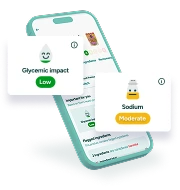
Bite Insight checks the ingredients and allergen info for milk and puts any warning at the top, along with anything on your own avoid list.
Spend less time reading labels and more time picking food that agrees with you.
Where you shop
Bite Insight works with food from the big UK supermarkets, own-brand ranges included. If you shop in the UK, pick your supermarket in the app and swaps from that shop are shown first.





Bite Insight isn’t linked to any of these supermarkets.
The tools for checking food for milk are free. Milk warnings, may contain cards and the full ingredient list on every scan.

Everything you need to spot milk in your food while you shop.
Milk warnings Warning, May contain and Not checked cards
Personalised alerts based on your Lactose Intolerance profile
Full ingredient breakdown with milk ingredients marked on every scan
200,000+ UK food and drink products
No subscription or payment details required.

Extra tools for planning meals and shopping for the whole household.
Subscription renews automatically. Cancel anytime.

Traffic lights, hidden salt and sugar claims. Here's how to read a UK food label properly, and what the 2026 rule changes mean for shoppers.


Around 2 million people in the UK live with a food allergy. Here's what the 14 major allergens are, where they hide and how to read the label.

Nearly one in five UK adults live with IBS. Here's what the evidence actually says about diet, fibre types and the low FODMAP approach.
About using Bite Insight with lactose intolerance.
Yes. Bite Insight is a free app that scans UK supermarket food. Add Lactose Intolerance to your profile and it checks the ingredients and allergen info for milk and anything made from it, like whey, casein, milk powder and cream. You get a red Warning when it finds milk and an amber May contain card for traces. There’s no scan limit on the free version.
No. UK labels don’t give a lactose figure, so the app checks whether a product contains milk, not how much lactose it has. A hard cheese gets the same Warning as a glass of milk. Use the Warning as a sign to look closer, then decide based on what you know your body can handle.
Yes. Lactose-free milk, cheese and yoghurt are still made from milk, with the lactose broken down, usually by the lactase enzyme. The app checks for milk, so they get a Warning. If the pack says lactose-free and that suits you, you can go ahead.
Lactose comes from milk, so look for milk and the things made from it: whey, casein, caseinates, milk powder, milk solids, cream, butter, cheese and yoghurt. Lactose is sometimes listed by name, or as milk sugar. Allergy UK says lactic acid, lactates and lactylates don’t contain lactose, despite the names.
Lactose intolerance is trouble digesting lactose, the sugar in milk. It mainly causes gut symptoms like bloating, wind and diarrhoea, and it doesn’t involve the immune system. A milk allergy is an immune reaction to the proteins in milk and can be life-threatening. Lactose-free milk isn’t safe for someone with a milk allergy. In the app, pick Dairy Allergy for a milk allergy.
Many people can. The NHS Specialist Pharmacy Service puts the threshold for symptoms at about 12g of lactose, roughly 250ml of milk, though it varies. Allergy UK says hard cheeses, butter and yoghurt are lower in lactose. The NHS says not to cut foods out without advice from a GP or dietitian, so ask them what’s right for you.
The product data or the pack has a “may contain milk” line, which means traces could get in during production. For lactose intolerance these are very small amounts, and plenty of people are fine with them. The app still shows the card so you can decide.
No. Bite Insight gives food information to help you choose in the shop. It doesn’t diagnose lactose intolerance, and other conditions, like coeliac disease, can cause it or have similar symptoms. If you think you’re lactose intolerant, see your GP before changing your diet.