



Read the carbohydrate line
Go by the carbohydrate figure, not “of which sugars”. Sugars are only part of it. Starch from flour, rice and potato counts too, and it’s often most of the carbs in bread, crackers and ready meals.
Scan the barcode with Bite Insight, a free app for UK supermarket food, and see a Carb load rating from Low to Very High. Add Low-Carb / Keto to your profile and the app also picks out the sugars, starches and grains in the ingredients, like honey, oats and potato starch. Ratings are per 100g, so allow for how much you’ll eat.
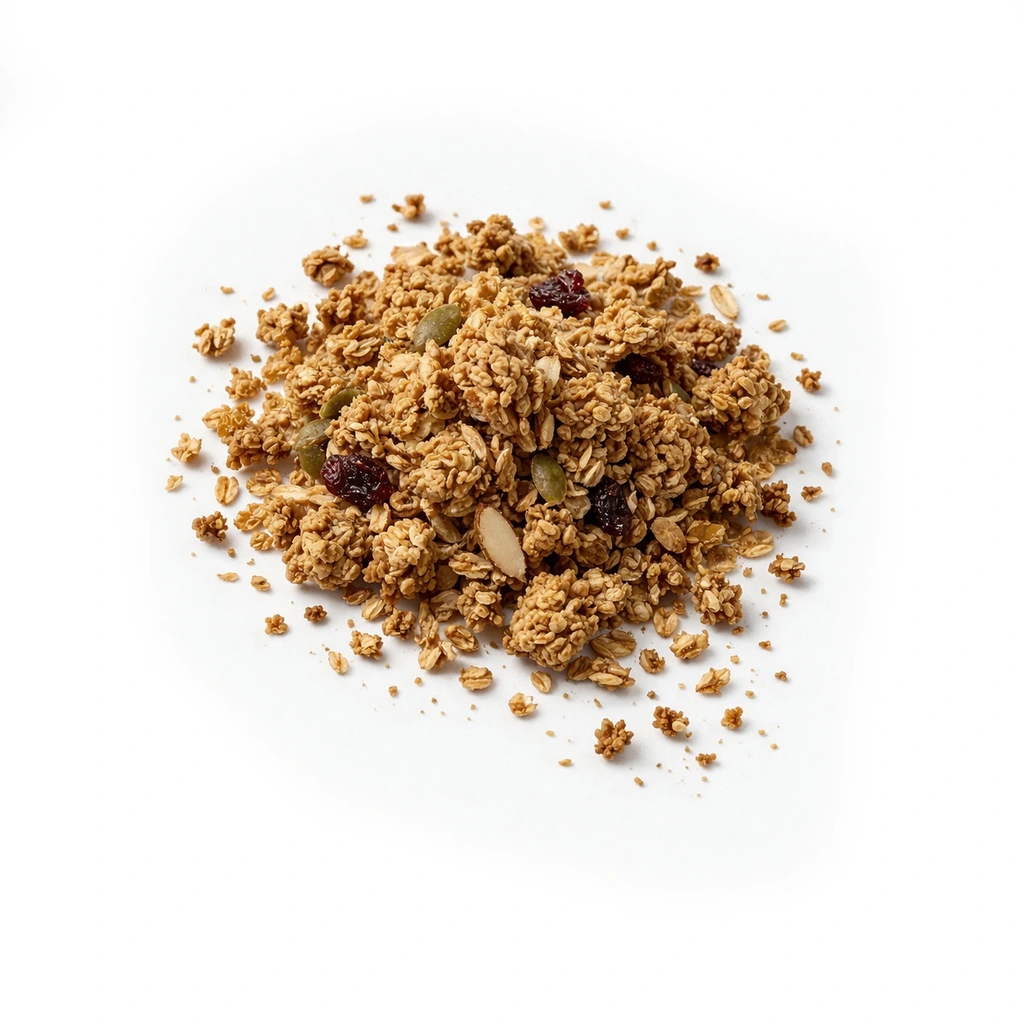
Bread and pasta are easy to spot. The harder ones are the granola that looks healthy, the sauce thickened with cornflour and the “keto” bar sweetened with maltitol, which still counts as carbohydrate on the label. On a low carb diet the numbers are small, so a few hidden grams make a real difference.
That’s the British Dietetic Association’s line. It puts a ketogenic diet much lower, at 20 to 50g a day. Diabetes UK uses the same 130g figure.
It’s the figure behind the percentages on the front of packs, set in UK food labelling law for an average adult. A keto day is a fifth of that or less, so the percentages on the pack can make a carby food look harmless.
The NHS says most of us only manage about 20g. Cutting out bread, oats, beans and fruit can push that lower still. Eating less fibre is one of the concerns the BDA raises about low carb diets.
Every UK pack lists carbohydrate per 100g in the nutrition table on the back. That’s the number to watch on a low carb diet, more than the sugars line under it. You can let the app read it for you, or check it yourself.
It’s under diets and lifestyles, and you can add it when you sign up or later in settings. Once it’s set, Carb load is the first rating you see after a scan, with Glycemic impact and Sugar under it. The Nutrition tab gets stricter too. Carbohydrate over 8g per 100g shows as High, where the usual line is 22.5g, and sugars over 3g do the same.
You get a Carb load rating from Low to Very High, worked out from the carbohydrate per 100g. Under Flagged ingredients you’ll see the sugars, starches and grains in the product, such as honey, maltodextrin, wheat flour, rice, oats and potato starch.
 Low
 Moderate
 High
 Very High
Rated from carbohydrate per 100g. Allow for your portion.
Go by the carbohydrate figure, not “of which sugars”. Sugars are only part of it. Starch from flour, rice and potato counts too, and it’s often most of the carbs in bread, crackers and ready meals.

On a UK label, fibre isn’t counted in the carbohydrate figure. It has its own line. American labels include it, which is why US keto guides tell you to subtract fibre to get net carbs. On a UK pack the carbohydrate line is already close to that number.

The table is per 100g. Granola at 62g of carbs per 100g gives you about 28g in a 45g bowl. That’s more than a whole day at the bottom of the keto range, before you’ve added any milk.

Many low sugar bars are sweetened with polyols such as maltitol, sorbitol or erythritol. UK law counts them as carbohydrate. If a food has more than 10% added polyols, the pack has to warn that too much may have a laxative effect.
The BDA says ketogenic diets shouldn’t be followed in pregnancy. If you take insulin or a sulfonylurea such as gliclazide, cutting carbs can make hypos more likely, and the BDA says any change to your medicine should be done under medical supervision. Diabetes UK warns that SGLT2 inhibitors like dapagliflozin can raise the risk of ketoacidosis on a low carb diet. It doesn’t recommend low carb diets for people with type 1 diabetes or for children. Bite Insight shows a warning if you add keto alongside pregnancy, kidney disease, gout, cancer or diabetes in your profile.


Carb load comes from one number: the carbohydrate per 100g on the label. 5g or less is Low, up to 15g is Moderate, up to 30g is High and anything over 30g is Very High. The bands are the app’s own, as there are no official low or high bands for carbs. Glycemic impact is a separate estimate that weighs sugars, carbohydrate and fibre, and the Sugar rating uses the sugars per 100g. A granola can come out Moderate for glycemic impact because of its fibre and still be Very High for carb load, which is why carb load comes first on keto. The ingredient flags are another check. The app reads the ingredients list and marks each sugar, starch or grain it finds as harmful for keto.
The Carb load, Glycemic impact and Sugar ratings and the ingredient flags are free, with no scan limit. Compare Free and Bite Insight+
Bite Insight gives general food information, not medical advice. Carb load is the app’s own guide, worked out from carbohydrate per 100g. If you have diabetes, kidney disease or another long-term condition, take any medicine that lowers blood sugar, or are pregnant, speak to your GP or a dietitian before starting a low carb or keto diet.
Bite Insight doesn’t give everyone the same results. Add Low-Carb / Keto to your profile once and every scan puts carbs first.
Every scan shows a Carb load rating from Low to Very High, worked out from the carbohydrate per 100g. With keto in your profile it’s the first rating you see.
With keto in your profile, the Nutrition tab marks carbohydrate as High above 8g per 100g and sugars above 3g. The usual line for both is 22.5g. Fat is flipped, so more of it shows as Good.

Sugars, starches and grains are already flagged for free. With Bite Insight+ you can add anything else you’d rather skip, like maltitol or lentils, and it gets picked out on every scan.
The Carb load rating looks at the carbohydrate per 100g on each product and rates it from Low to Very High. It doesn’t keep a running total for the day. It shows you which foods leave room in your carb budget and which ones would use most of it.
No more turning every pack over to find the carbohydrate line.
Point your camera at the barcode, in the supermarket or at home. Or search for the product by name.
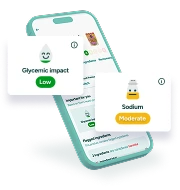
Bite Insight checks the product against your Low-Carb / Keto profile and shows what matters. The Carb load rating, Glycemic impact and Sugar, any sugars or starches in the ingredients and anything on your own avoid list.
Find the foods that fit your carb limit without doing maths in the aisle.
Where you shop
Bite Insight works with food from the big UK supermarkets, own-brand ranges included. If you shop in the UK, pick your supermarket in the app and swaps from that shop are shown first.





Bite Insight isn’t linked to any of these supermarkets.
The tools for keeping carbs down while you shop are free. Carb load ratings, ingredient flags and the full nutrition table on every scan.

Everything you need to spot the carbs, sugars and starches while you shop.
Carb load rating Low, Moderate, High, Very High
Personalised warnings based on your Low-Carb / Keto profile
Full nutrition breakdown including carbs, sugars and fibre on every scan
200,000+ UK food and drink products
No subscription or payment details required.

Extra tools for planning low carb meals and shopping for the whole household.
Subscription renews automatically. Cancel anytime.
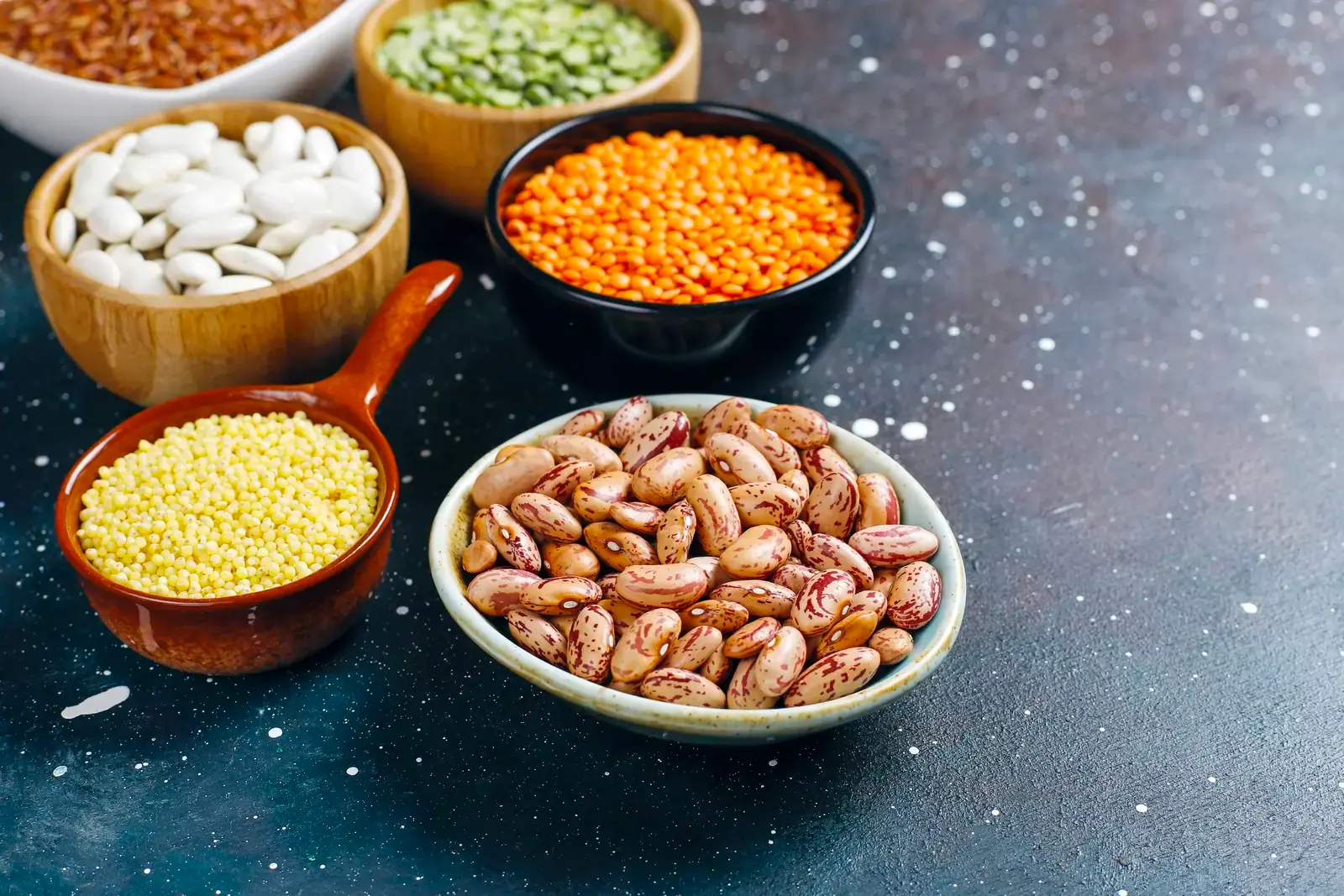
Which carbs raise blood sugar gently? A practical low GI food list for type 2 diabetes, with swaps, portion tips and what the research says.

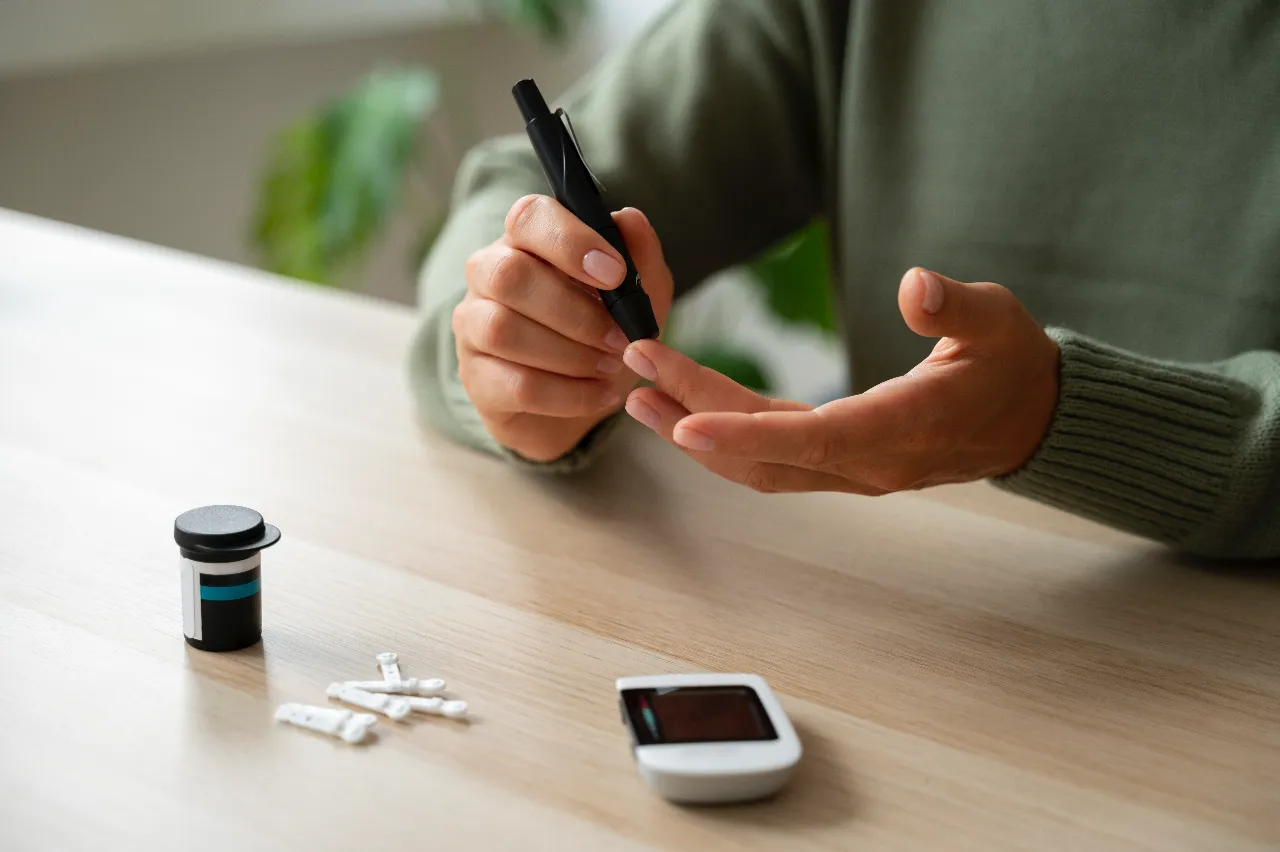
1 in 4 UK adults now live with diabetes or prediabetes. Here's what the evidence says about food, blood sugar and remission.

Traffic lights, hidden salt and sugar claims. Here's how to read a UK food label properly, and what the 2026 rule changes mean for shoppers.
About using Bite Insight on a low carb or keto diet.
Yes. Bite Insight is a free app that scans UK supermarket food and gives it a Carb load rating from Low to Very High, worked out from the carbohydrate per 100g. Add Low-Carb / Keto to your profile and that rating comes first, the Nutrition tab uses lower lines for carbs and sugar, and sugars, starches and grains like oats and rice are flagged. There’s no scan limit on the free version.
The British Dietetic Association calls a diet low carb if it has less than 130g of carbohydrate a day, and puts a ketogenic diet at 20 to 50g a day. For comparison, the reference intake on UK labels is 260g. The BDA says low carb diets work for weight loss but are no more effective than many other diets, so pick one you can stick to.
Usually not. In the UK the carbohydrate figure doesn’t include fibre, which gets its own line. US labels do include it, so American keto advice tells you to take fibre off. Do that with a UK pack and you’ll undercount. The carbohydrate figure does include polyols like maltitol, though.
It uses the carbohydrate per 100g on the label. 5g or less is Low, up to 15g is Moderate, up to 30g is High and over 30g is Very High. These bands are the app’s own. It doesn’t look at the serving size, so a sauce you use a spoonful of can rate higher than it really matters.
No. The BDA says ketogenic diets shouldn’t be followed in pregnancy. If you take insulin or a sulfonylurea, cutting carbs can cause hypos, so changes to your medicine need medical supervision. Diabetes UK warns about ketoacidosis with SGLT2 inhibitors and doesn’t recommend low carb diets for people with type 1 diabetes or for children. Speak to your GP first if any of that applies.
No. It rates each product from its carbohydrate per 100g so you can compare foods while you shop. It doesn’t keep a food diary. The meal planner does check whole meals, though. With keto in your profile, a planned meal turns amber above 10g of net carbs and red above 20g.
Yes. You can add as many conditions, allergies and diets as you need, and every scan takes them all into account. The app warns you when keto may not suit something else in your profile. It does this for pregnancy, kidney disease, gout and cancer, and asks you to involve your diabetes team if you have diabetes.
No. Bite Insight gives food information to help you choose in the shop. It isn’t a substitute for advice from your GP or a dietitian. The BDA suggests speaking to a dietitian before starting a low carb diet if you have a medical condition.