
If you live with type 2 diabetes, or you have just been told your blood sugar is creeping up, there is a fair chance you have typed "low glycemic foods for diabetes" into a search bar. You want a list. Something short you can screenshot and take to the supermarket.
A list is a decent start, and you will find one below. But the glycaemic index, or GI, has a few quirks that make a bare list misleading. Porridge can beat a cereal bar sold as healthy. A chocolate bar can score lower than a baked potato. Spelling aside (you will see "glycemic" online and "glycaemic" on NHS leaflets, and they mean the same thing), the idea is to pick carbohydrates that lift your blood sugar gently rather than sharply, and to know where the numbers stop being useful.
This article covers what the GI actually measures, what trials say it can do for your HbA1c, which foods belong on your list, some easy swaps, the low GI foods that are not so healthy, and when to bring in your GP or a dietitian.
What the glycaemic index measures
The glycaemic index ranks carbohydrate foods and drinks from 0 to 100 by how quickly they raise your blood sugar after you eat them. To get a food's score, researchers feed a group of volunteers a portion containing 50g of digestible carbohydrate, track their blood glucose for two hours, then compare the result with the same amount of pure glucose on another day. Foods with little or no carbohydrate, like meat, fish, eggs and cheese, do not get a GI at all.
The scores fall into three bands.
55 or below
Low GI
Slow release, gentler rise.
- Lentils, chickpeas and beans
- Jumbo porridge oats
- Apples, pears and berries
- Unsweetened milk and yoghurt
- Rye, granary and wholegrain bread
56 to 69
Medium GI
Fine in sensible portions.
- Wholemeal bread
- Couscous
- Shredded wheat and bran flakes
- Plain popcorn
- Boiled potatoes
70 or above
High GI
Quick rise, so think smaller and paired.
- White bread, bagels and baguettes
- Instant white rice
- Jacket potatoes
- Cornflakes and instant porridge
- Watermelon
Two things trip people up. First, the GI ignores portion size. That is why dietitians also talk about glycaemic load, which is the GI multiplied by the grams of carbohydrate in your portion, divided by 100. A 150g serving of a food with a GI of 50 and 20g of carbohydrate has a load of 10. Diabetes UK points out that a big bowl of pasta can push your blood sugar up more than a similar amount of watermelon, even though watermelon has the higher GI.
Second, the band a food lands in is not fixed. Ripeness, cooking time, processing and even the brand change the number. Basmati rice and new potatoes, for example, sit on the border between low and medium depending on which source and which pack you check. Treat the bands as a guide, not a verdict.
Almost 6 million people in the UK are living with diabetes
Over 12 million UK adults have diabetes or prediabetes, and around 90% of diagnosed cases are type 2
Does eating low GI foods really help?
Yes, modestly, and the evidence is better than you might expect. A large BMJ review from 2021, put together to inform European diabetes nutrition guidelines, pooled 29 trial comparisons involving 1,617 adults with type 1 and type 2 diabetes. Each trial ran for at least three weeks. People eating low GI or low glycaemic load diets finished with an HbA1c that was 0.31 percentage points lower than people on higher GI diets. HbA1c is the three month average of your blood sugar that your GP or practice nurse checks. The reviewers rated the certainty of that result as high.
The BMJ review
Low GI diets in numbers
trial comparisons pooled
adults with diabetes
point lower HbA1c
certainty rating for the HbA1c result
That drop is small but real, and it came on top of the diabetes medication most people in the trials were already taking. The reviewers also saw lower fasting glucose, LDL cholesterol, triglycerides, body weight, systolic blood pressure and a marker of inflammation called CRP. Insulin levels, HDL cholesterol and waist size did not change.
Be honest about the limits too. The results varied a lot from trial to trial, and most participants were middle aged adults with moderately controlled type 2 diabetes. Your own response may be bigger or smaller.
The official advice lines up. NICE guidance for adults with type 2 diabetes is to follow the same healthy eating advice as everyone else, which includes high fibre, low GI sources of carbohydrate such as fruit, vegetables, wholegrains and pulses. NICE also says to steer away from foods marketed specifically for people with diabetes.
Think of the GI as a useful nudge, not a magic switch.
The low glycemic foods worth putting on your list
Rather than memorising numbers, it helps to think in food groups. Most of the foods that score low are the ones you were already being told to eat more of.
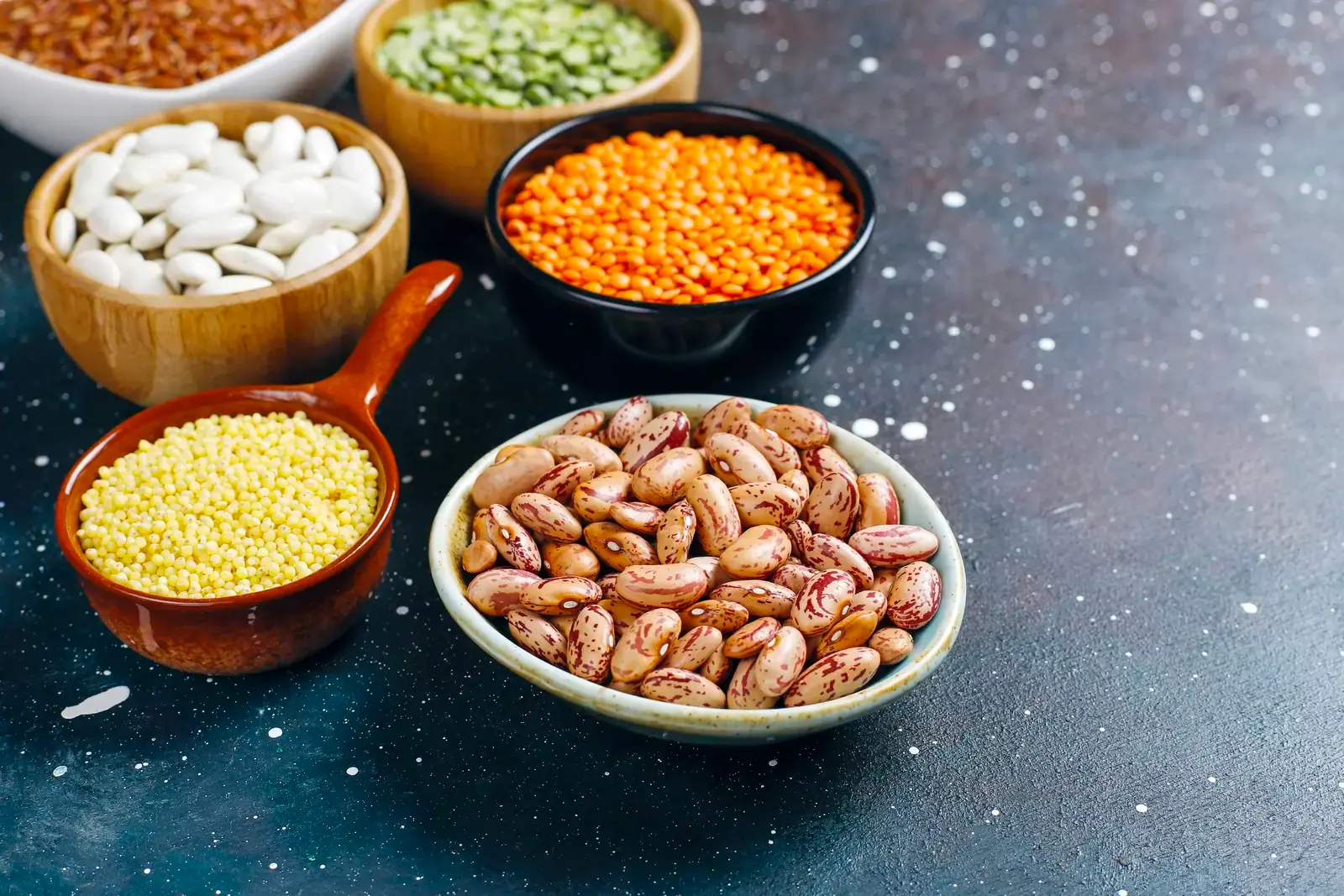
Pulses are the stars of the show
Lentils, chickpeas, kidney beans, butter beans and baked beans all sit comfortably in the low band. In the 2008 international GI tables, lentils scored around 32 and chickpeas around 28. They bring fibre and protein along with their slow carbohydrate, which is a big part of why they behave so gently. A tin of lentils or chickpeas is often under £1 at the big supermarkets, so this is also one of the cheapest changes you can make. Drain and rinse tinned ones to cut the salt. With baked beans, choose a reduced sugar and salt version, because the sauce is where the extras hide.
Oats and wholegrains
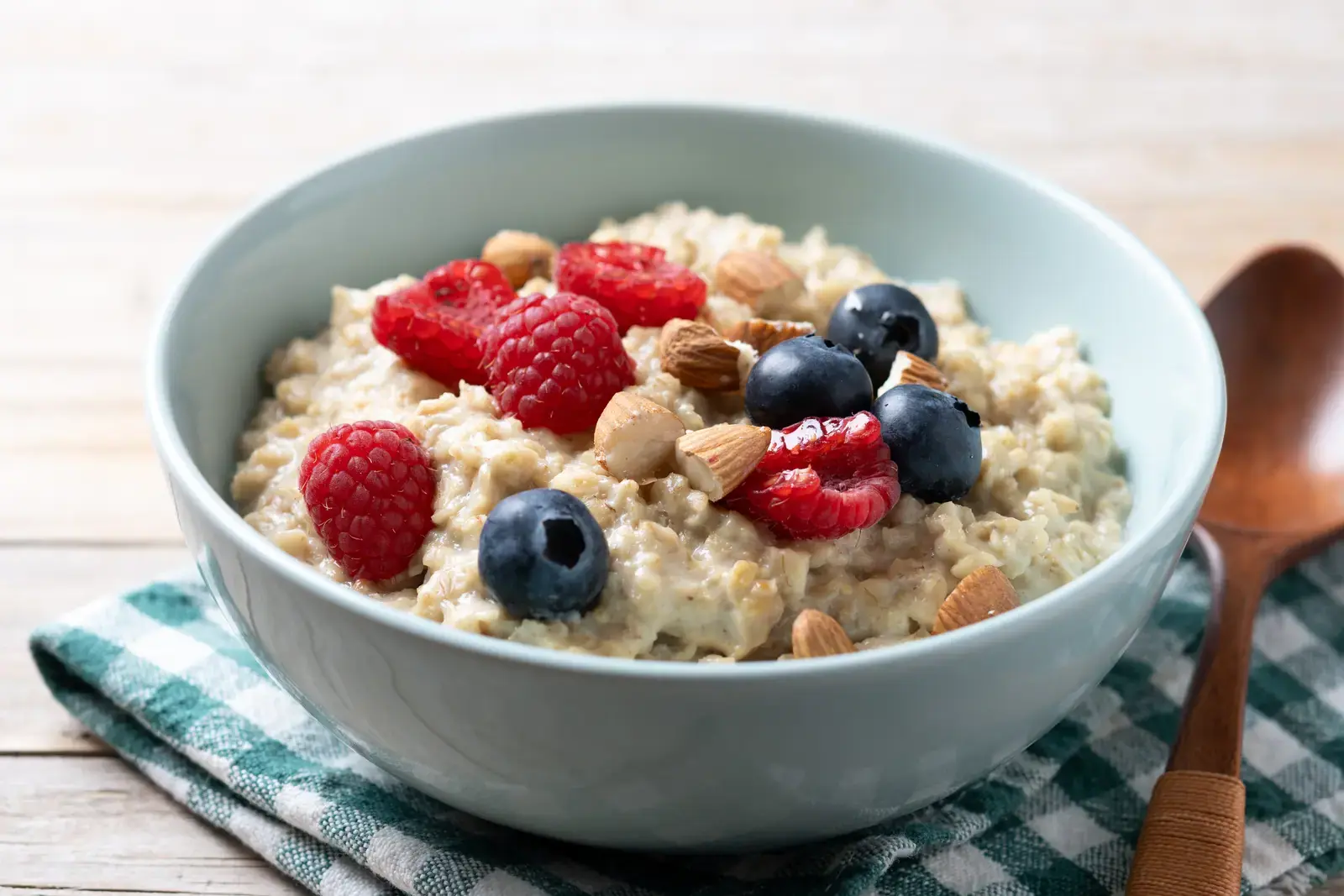
Jumbo porridge oats are a reliable low GI breakfast, according to the British Dietetic Association. Instant oat sachets, which are ground finer and cook in seconds, score high. Barley, bulgur wheat and quinoa are all low, and they make a good stand in for rice a few nights a week. For bread, chunky granary, rye and wholegrain loaves with visible seeds and grains tend to score lower than smooth wholemeal, which often lands in the medium band.
Fruit
Most whole fruit is low GI. Berries, plums, kiwi, apples, pears and grapefruit are the easy wins. The BDA suggests choosing slightly under ripe fruit where you can, because ripening turns starch into sugar, and keeping tropical fruit like mango and pineapple to around 80g a portion. Fruit juice is a different story. It lacks the fibre of the whole fruit, so keep it to 150ml a day or less.
Vegetables, dairy and everything else
Non starchy vegetables such as leafy greens, broccoli, cauliflower, peppers and courgettes carry so little carbohydrate that they barely move your blood sugar, so fill up on them freely. Starchy vegetables like potatoes, parsnips and sweetcorn do count as carbohydrate. Plain milk and unsweetened yoghurt are low GI. Eggs, fish, meat, tofu and cheese have no GI because they contain almost no carbohydrate, though they still belong in a balanced plate.
A quick reference
| Food | Typical band | Handy note |
|---|---|---|
| Lentils and chickpeas | Low | Tinned or dried both work |
| Porridge from jumbo oats | Low | Instant oats score high |
| Barley, bulgur, quinoa | Low | Swap for rice some days |
| Granary, rye, wholegrain bread | Low | Visible seeds and grains help |
| Apples, pears, berries | Low | Eat whole, skin on |
| Plain yoghurt | Low | Check the label for added sugar |
| Wholemeal bread | Medium | Better than white, not always low |
| Couscous | Medium | Pair with beans and vegetables |
| Boiled potatoes | Medium | Skin on, and cooled is better |
| Jacket potato | High | Go smaller and add beans |
| White bread and bagels | High | Toasting lowers the GI a little |
| Cornflakes, instant porridge | High | Swap for oats or muesli with no added sugar |
Easy swaps that fit a normal UK week
You do not need to rebuild your diet. Pick the meals where you eat the same high GI food on autopilot and change just that.
Instant porridge pots become jumbo oats with berries
Cook them in milk or water, and add a spoon of nuts or seeds for staying power.
White toast becomes granary or rye toast
Top it with eggs, beans or mackerel instead of jam.
A big jacket potato becomes new potatoes with the skins on
Or keep the jacket but halve it, then pile on beans and salad.
Microwave white rice becomes basmati or brown rice
Measure a portion about the size of your fist rather than cooking by eye.
Soft pasta becomes al dente pasta
Firmer pasta digests more slowly. Make it half pasta and half vegetables.
Sugary cereal becomes muesli with no added sugar
Check the label, because some mueslis are mostly dried fruit and syrup.
Fruit juice becomes whole fruit, water or herbal tea
If you do have juice, keep it to a small glass of 150ml.
If your meals lean on South Asian cooking, Diabetes UK suggests wholemeal chapatti with dhal and keeping rice portions modest, since lentils in the dhal bring the GI of the whole meal down.
Low GI does not always mean healthy
This is the catch most lists skip. The GI only tells you how fast carbohydrate hits your blood. It says nothing about calories, saturated fat or salt. NHS Scotland points out that ice cream, nuts and chocolate all have a low to medium GI but are high in fat and calories. A low GI biscuit is still a biscuit.
The reverse is true too. High GI foods are not forbidden, and some carry useful nutrients.
Low GI, still go easy
Rich foods that score low
- Chocolate
- Ice cream
- Nuts, a small handful is plenty
Higher GI, still useful
Foods you do not need to ban
- Watermelon in a modest slice
- A small jacket potato with beans
- Fast acting carbohydrate to treat a hypo, if you are at risk of one
That last point matters. If you take insulin or certain tablets, quick sugar is the right fix for a low blood glucose reading, and the BDA notes that high GI foods are exactly what you want in that moment.
How you build the plate matters as much as the food
Nobody eats a single food in isolation. The GI of a meal depends on everything on the plate, and that gives you a lot of control.
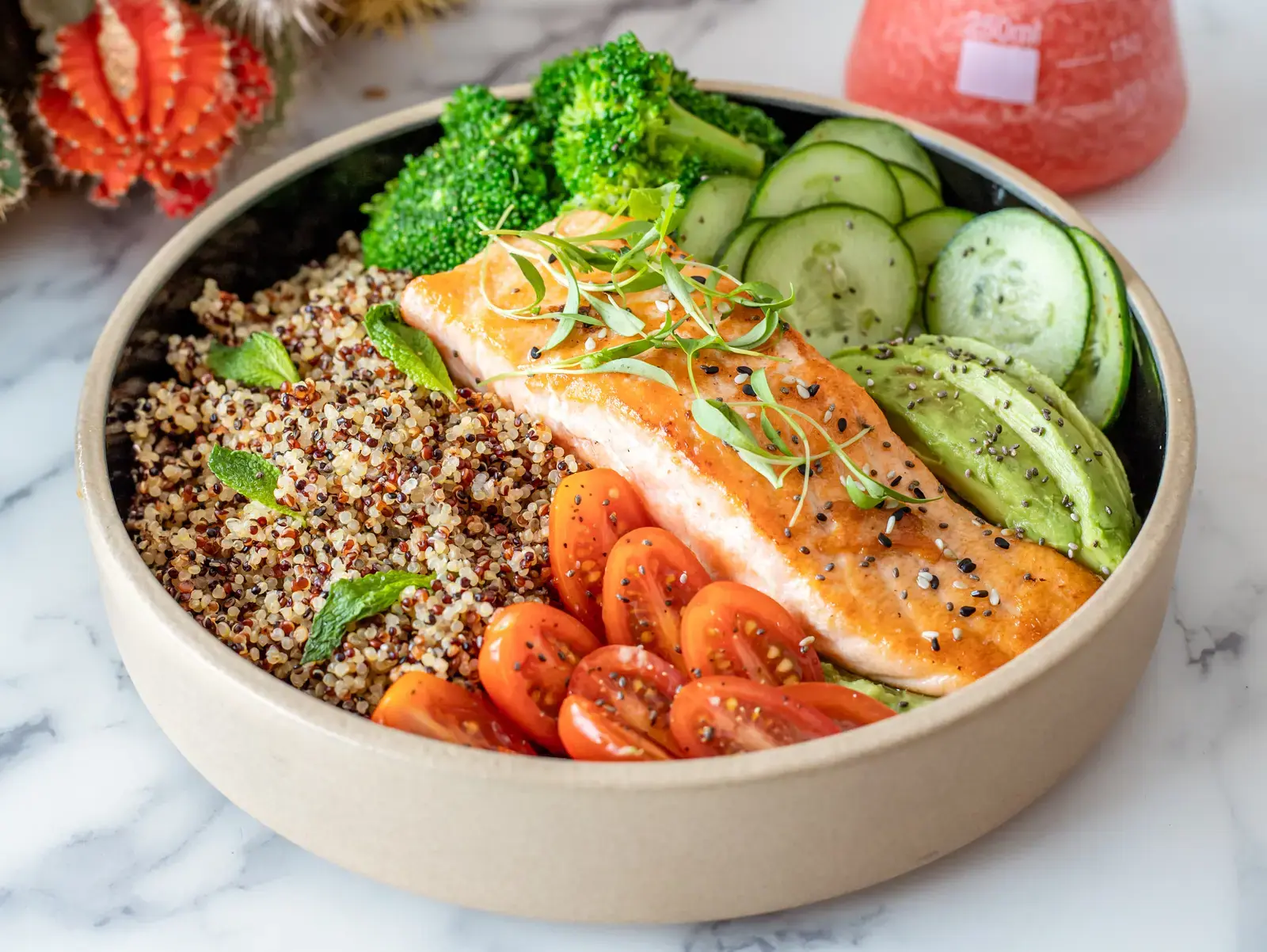
- Keep the starch portion fist sized. The BDA suggests roughly a quarter to a third of the plate. For most people, portion size has the biggest effect of all.
- Pair carbohydrate with protein, fibre and some fat. These slow digestion, which is why NHS Scotland notes that a high GI baked potato with low GI baked beans makes a medium GI meal.
- Cook pasta until just firm. Overcooked pasta digests faster and scores higher.
- Let starches cool. Cooled potatoes, pasta and rice in a salad have a lower GI than the same food served piping hot.
- Toast it or freeze it. Toasted bread, and bread that has been frozen then defrosted, has a slightly lower GI.
- Leave the skins on. Potatoes and fruit both keep more fibre that way.
If you are raising your fibre, do it gradually and drink plenty of water. A sudden jump can leave you bloated, and a high fibre approach is not ideal for everyone, for instance some people with IBS.
Spotting low GI choices on a UK shelf
You will not find an official low GI logo on most UK packs, because no single scheme is standard here. Instead, read the clues.
- Check the ingredients list. Wholegrains, oats, pulses or nuts near the top are a good sign. Sugar, glucose syrup or refined flour near the top are not.
- Look at the fibre. Under UK rules, "source of fibre" means at least 3g per 100g, and "high fibre" means at least 6g per 100g.
- Check the sugars. A green traffic light for sugars means 5g or less per 100g. Be wary of red.
- Ignore the diabetic aisle. NICE advises against foods marketed specifically for people with diabetes, which are often pricey and no better than ordinary options.
If you use the Bite Insight app, you can set a diabetic preference and scan a barcode to see how a product shapes up against it before it goes in your basket.
When to bring in a professional
Changing the carbohydrates you eat can change how your medication behaves. If you take insulin or tablets that can cause hypos, talk to your diabetes team before making big shifts, and the BDA gives the same advice for anyone on diabetes medication. Your GP can refer you to a registered dietitian for advice built around your readings, your culture, your budget and your habits.
It also helps to know where the evidence is thinner. Diabetes UK says low GI choices can particularly help long term blood sugar control in type 2 diabetes. In type 1 the evidence is weaker, though steadier day to day readings may still help. For gestational diabetes, the advice is similar to type 2, but your maternity or diabetes team should guide the details.
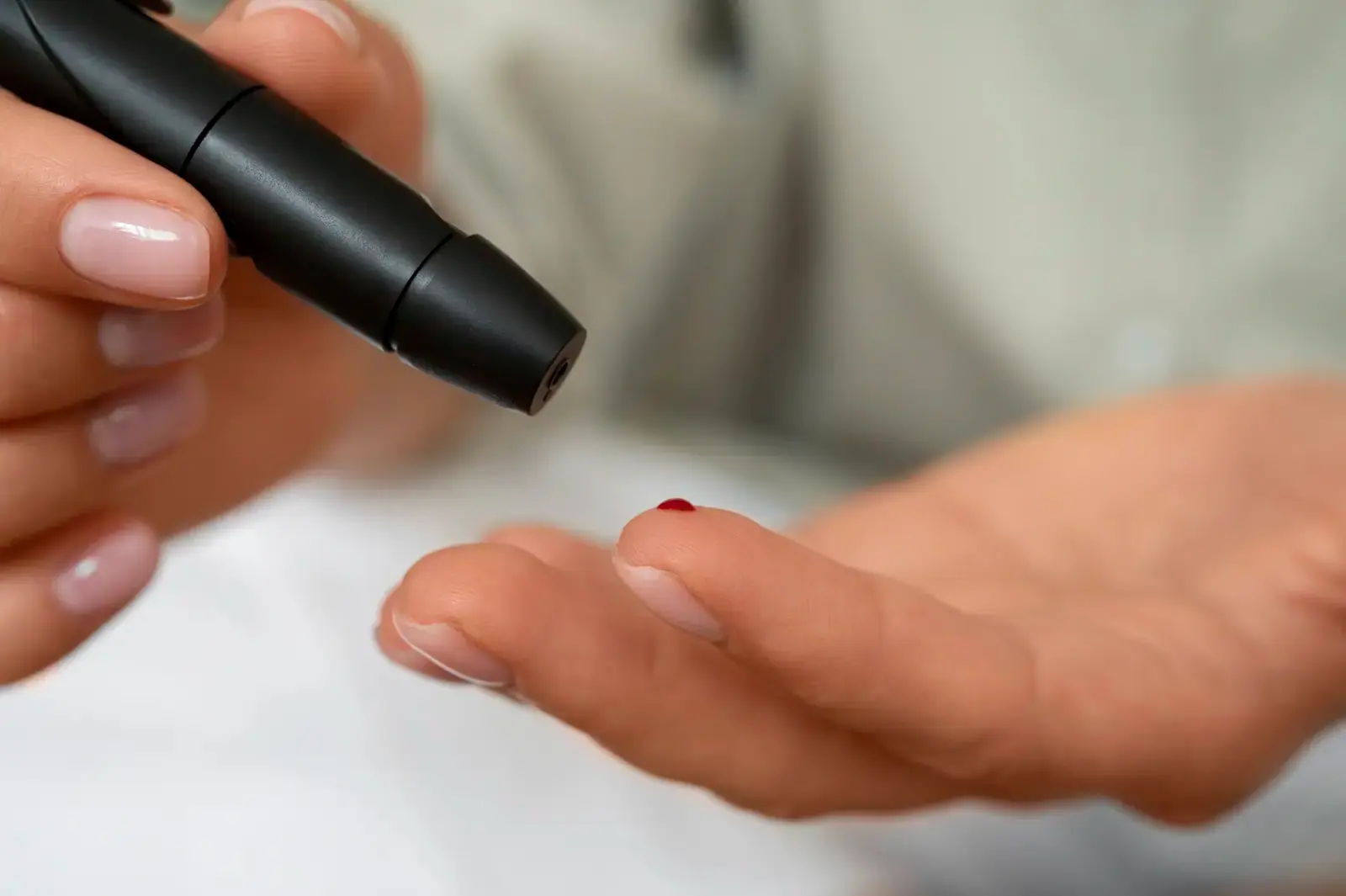
If you have been given a meter or a glucose sensor, use it as an experiment. Eat a meal, check your reading a couple of hours later, and compare it with a swapped version. Everyone's body responds a little differently, and your own numbers beat any table.
Common questions
Is a low GI diet the same as a low carb diet?
No. Low GI foods still contain carbohydrate, they just release it more slowly. Portion size still matters, and a very large bowl of a low GI food can raise your blood sugar more than a small serving of a higher GI one.
Can I still eat potatoes?
Yes. Choose boiled new potatoes with the skins on, let them cool for a salad, keep the portion modest, and serve them with protein and vegetables. A big floury jacket potato scores high, so go smaller and load it with beans or salad.
Is fruit safe if I have diabetes?
Whole fruit is a good choice, and most of it is low GI. Berries, apples and pears are easy options. Keep tropical fruit to about 80g, and keep fruit juice to 150ml a day or less.
How quickly will I see a difference?
The trials in the BMJ review ran for at least three weeks, and HbA1c reflects about three months of blood sugar, so give a change time before judging it. Daily meter readings can show a difference sooner.
The Bottom Line
Low GI eating gives your blood sugar a modest but well supported nudge in the right direction, especially with pulses, oats, wholegrains and whole fruit. Pick one swap this week, keep an eye on portions, and take your questions to your GP or dietitian.