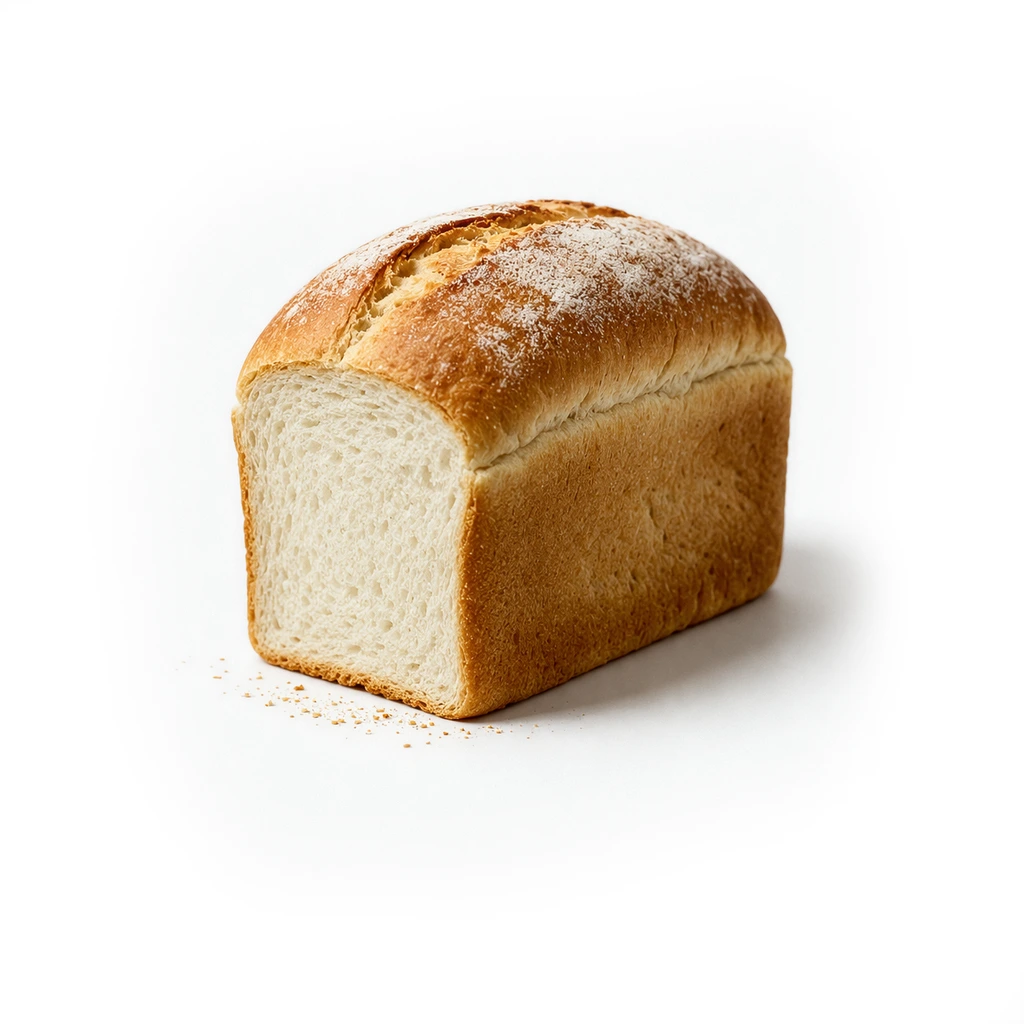




Read the bold words in the ingredients
The FSA says the 14 allergens must be emphasised in the ingredients list of prepacked food. It’s often bold, but italics or colour are allowed too. Look for soya, soy or soybean wherever it appears.
Scan the barcode with Bite Insight, a free app for UK supermarket food, and it checks the ingredients and allergen info for soya. You’ll see a red Warning if soya is listed and an amber card for “may contain” traces. It works from product data, which can be out of date, so read the pack before you eat anything.

You expect it in tofu and soy sauce. It’s less obvious in a sliced loaf, a bar of chocolate or a jar of stir-fry sauce. Most of it is listed by a name with soya in it, but not all, and recipes change without much warning.
That’s Allergy UK’s figure, and it’s given as an upper estimate. Soya flour is common in bread, and soya lecithin is used to hold chocolate and spreads together.
Soya is one of them, so the Food Standards Agency says it must be emphasised in the ingredients list of prepacked food, often in bold. “May contain” lines aren’t a legal requirement, so the wording varies.
Anaphylaxis UK says soya allergy usually starts in early childhood and around half of children grow out of it by 7. Regular check-ups with an allergy team will tell you if that’s happened.
UK law says soya must be emphasised in the ingredients list of prepacked food, often in bold. “May contain” lines work differently. There’s no legal requirement to use them, and the wording varies from brand to brand. The app can do a first check, but the pack in your hand has the final say.
Pick Soy Allergy under Allergies when you sign up, or later in settings. You can add any other allergies you have at the same time, and every scan checks for all of them.
If the ingredients or allergen info list soya, a red Warning card sits at the top of the results and the matching ingredients are marked as harmful. Traces get an amber May contain card. With no ingredient list or allergen info, it tells you it couldn’t check.
No card doesn’t mean soya-free. Read the pack.
The FSA says the 14 allergens must be emphasised in the ingredients list of prepacked food. It’s often bold, but italics or colour are allowed too. Look for soya, soy or soybean wherever it appears.

Tofu, edamame, tempeh, miso and natto are all soya. Allergy UK adds textured vegetable protein (TVP) and hydrolysed vegetable protein (HVP), and says “vegetable oil” or “vegetable protein” may also mean soya.

Anaphylaxis UK says fully refined soya oil is very unlikely to cause a reaction, and soya lecithin (E322) contains very little soya protein. Some people still need to avoid them. Your allergy team can tell you whether you do.

Food sold loose or served in a café won’t have a barcode for the app to scan. The FSA says the business must give you allergen information. Food packed on site, like a sandwich made in store, must have a full ingredients list.
Fully refined soya oil has to be in the ingredients list but doesn’t have to be emphasised, because refining takes out the protein. Bite Insight still counts soya oil and soybean oil as soya, so you’ll get a Warning. It also treats E322 as soya wherever it appears, even if the pack says the lecithin comes from sunflower. If your allergy team says those are fine for you, check the ingredients to see which one you’ve got.


There’s no score here. The app looks at the allergen tags and ingredient list held for the product, plus any “may contain” line, and matches them against your soya allergy. It knows the usual other names, like tofu, tempeh, miso, edamame, TVP and HVP, and sauces that are normally made with soya, like hoisin and teriyaki. It reads “soya-free” and “free from soya” as claims, not ingredients. It only uses the product name when there’s no ingredient list. It doesn’t flag plain “vegetable oil”, and it never tells you a product is soya-free.
The Warning, May contain and Not checked cards are all free, with no scan limit. Flagging extra ingredients of your own is part of Bite Insight+ at £3.99 a month. Compare Free and Bite Insight+
Bite Insight gives general food information, not medical advice. It works from product data, which can be wrong or out of date, so read the pack every time. If someone has swollen lips or throat or is struggling to breathe, the NHS says to use their adrenaline auto-injector if they have one and call 999. Ask your GP or allergy clinic whether lecithin, soya oil and “may contain” products are OK for you.
Bite Insight doesn’t give everyone the same results. Add your soya allergy to your profile once and every scan checks for it.
If a product lists soya, a red Warning card sits at the top of the results. The app checks the ingredients and allergen info, including names like soya flour, TVP and miso. Scan warnings cover the allergies in your profile, not all 14.
A “may contain soya” line, or traces in the product data, gets its own amber card. When there’s no ingredient list or allergen info, the app says it couldn’t check rather than leaving the space blank.

The app doesn’t flag plain “vegetable oil” or “vegetable protein”, which Allergy UK says can be soya. If your allergy team wants you to avoid them, add them to your own list and you’ll see an orange Flagged card when they turn up.
There’s no allergen score. Instead the app shows a card for each thing it finds that matters to your soya allergy, at the top of the results.

A quick first check in the aisle. The pack still has the final say.
Point your camera at the barcode, in the supermarket or at home. Or search for the product by name.
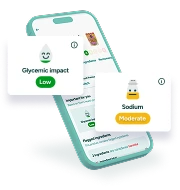
Bite Insight checks the ingredients and allergen info against your soya allergy and puts any warnings at the top, with the matching ingredients marked.
Put back the products that list soya, and read the pack for anything the app flagged or couldn’t check.
Where you shop
Bite Insight works with food from the big UK supermarkets, own-brand ranges included. If you shop in the UK, pick your supermarket in the app and swaps from that shop are shown first.





Bite Insight isn’t linked to any of these supermarkets.
The soya checks are free. Warnings, “may contain” cards and the full ingredients list on every scan.

Everything you need to check food for soya while you shop.
Allergen warnings Warning, May contain and Not checked cards
Personalised alerts for soya and any other allergies in your profile
Full ingredient list with matching ingredients marked on every scan
200,000+ UK food and drink products
No subscription or payment details required.

Extra tools for shopping for the whole household and planning meals.
Subscription renews automatically. Cancel anytime.

Around 2 million people in the UK live with a food allergy. Here's what the 14 major allergens are, where they hide and how to read the label.


Traffic lights, hidden salt and sugar claims. Here's how to read a UK food label properly, and what the 2026 rule changes mean for shoppers.

Most E numbers are harmless, but a few, like the Southampton Six and nitrites in bacon, have real evidence behind them. Here's what to actually watch for.
About using Bite Insight with a soya allergy.
Yes. Bite Insight is a free UK app that scans a barcode and checks the ingredients and allergen info for the allergies in your profile. Add Soy Allergy when you sign up. A red Warning shows if the product lists soya, and an amber card covers “may contain” traces. There’s no scan limit. Read the pack too, because product data can be out of date.
Not always. Anaphylaxis UK says the risk of a reaction may be small, because lecithin is a fat with very little soya protein in it, and Allergy UK says most people with a soya allergy can tolerate it. Ask your doctor or allergy team before you decide. Bite Insight treats E322 as soya to be on the safe side, so you’ll see a Warning for it.
Fully refined soya oil is very unlikely to cause a reaction, according to Anaphylaxis UK, because refining removes the protein. It must be in the ingredients list but doesn’t have to be emphasised. Unrefined or cold-pressed soya oil can contain protein and must be emphasised. Bite Insight flags both kinds, so check the label to see which one it is.
Look for soya flour, soya protein, soy sauce, tamari, tofu, bean curd, edamame, tempeh, miso, natto, textured vegetable protein (TVP) and hydrolysed vegetable protein (HVP). Allergy UK says “vegetable oil” and “vegetable protein” may also be soya. Bite Insight knows most of these names, but not those last two.
Many do. Anaphylaxis UK says around half of children outgrow it by the age of 7. Don’t test this at home. Your child’s allergy team will check with regular follow-ups and tell you when it’s safe to try soya again.
Usually not. Soya and peanuts are both legumes, but Allergy UK says reacting to more than one legume is rare, so cutting them all out is usually unnecessary. Your allergy specialist can tell you what’s right for you. Bite Insight only checks for the allergies you add to your profile.
Yes. If the product data lists soya traces, or the ingredients include a “may contain” sentence that mentions soya, you’ll see an amber May contain card. The app only sees what’s in the product data, so if a pack mentions a shared factory and that isn’t in the data, check the pack.
Bite Insight is a food information tool, not a medical device. Use it alongside careful label reading, not instead of it. If you’ve had a serious reaction before, follow the plan from your allergy team. In a reaction with swelling or trouble breathing, use an adrenaline auto-injector if you have one and call 999.