


Mediterranean diet

Shop the Mediterranean way in a UK supermarket

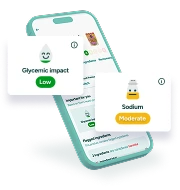
Scan the barcode with Bite Insight, a free app for UK supermarket food. Add Mediterranean Diet to your profile and the app flags ingredients that don’t fit the pattern, like bacon, salami, hydrogenated fat and glucose syrup. The Nutrition tab also draws a tighter line on saturated fat and salt. There’s no single Mediterranean score, because the diet is about what you eat overall.

The Mediterranean diet is a way of eating,
not a label on a pack

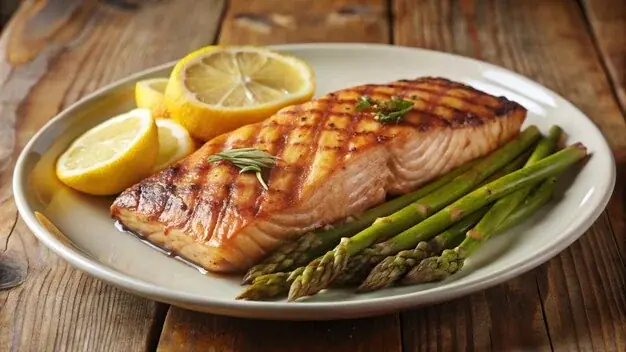
A “Mediterranean” ready meal can be salty. A pizza with olives on top can be heavy on processed meat. The diet is built from vegetables, beans, wholegrains, fish and olive oil, and the supermarket mostly sells it to you in packets. The back of the pack is where you find out which ones fit.

0
lower risk of heart attack or stroke in a large Spanish trial

The British Heart Foundation describes the PREDIMED study of about 7,500 adults aged 55 to 80 at high risk. People eating a Mediterranean diet with extra nuts or olive oil did better than a group told to cut down on fat.

0
of fibre a day is what most UK adults eat

The NHS target is 30g. Beans, lentils, wholegrains, nuts and vegetables are at the heart of a Mediterranean diet, and they’re where most of the missing fibre would come from.

0
of red and processed meat a day, at most, if you eat a lot of it

The NHS advises anyone eating more than 90g a day, cooked weight, to cut down to 70g. Processed meat includes bacon, ham, sausages and salami, which turn up in plenty of sandwiches, pizzas and pasta sauces.

Quick guide

How to shop for a Mediterranean diet at a UK supermarket

Most of a Mediterranean diet is fresh food with no label at all. For the packaged parts, three things on a UK label do most of the work: the saturated fat line, the salt figure and the ingredients list. You can let the app check them, or do it yourself.

With Bite Insight

Let the app check the ingredients

  1. Add Mediterranean Diet to your profile

    It’s under diets and lifestyles, and you can add it when you sign up or later in settings. It doesn’t add a rating of its own. What it changes is the Nutrition tab: saturated fat over 5g per 100g shows as High and 1.5g or less as Low, the same lines as the red and green traffic lights. Salt is stricter than the traffic lights, with anything over 0.8g per 100g marked High.

  2. Scan the barcode

    Under Flagged ingredients you’ll see anything that doesn’t fit the pattern. That covers processed meats like bacon, ham and salami, hydrogenated fat, margarine and shortening, refined flour and modified starch, and added sugars such as glucose syrup. If you also have a condition like high cholesterol in your profile, its ratings show as usual.

Scan your first product free
Your saturated fat line
  • Low
  • Moderate
  • High

In the Nutrition tab, per 100g. Over 5g is High.

Checking the pack yourself

Four checks on the back of the pack

Look at saturates, not total fat

Olive oil, nuts and oily fish are high in fat, and that’s fine here. The line that matters is “of which saturates”. The NHS counts more than 5g per 100g as high and 1.5g or less as low. The BHF says the type of fat you eat matters more than the total amount.

Find the wholegrain

Look for wholemeal or wholegrain at the start of the ingredients list. “Wheat flour” on its own means white flour. A “source of fibre” claim needs at least 3g of fibre per 100g and “high fibre” needs 6g, so those are a quick way to compare breads and crackers.

Watch the salt in jars and tins

The NHS suggests eating cured meats and fish, cheese, olives and pickles less often or in small amounts, because they’re salty. Jarred sauces can be too. Check the salt per 100g: the NHS counts more than 1.5g as high and 0.3g or less as low.

Spot the processed meat

Bacon, ham, chorizo, salami and pepperoni all count as processed meat, and they’re easy to miss in a sandwich or a pizza. The ingredients list names them. If the meat is in the product’s name, the label has to say what percentage of the food it makes up.

Olive oil on its own doesn’t make it Mediterranean

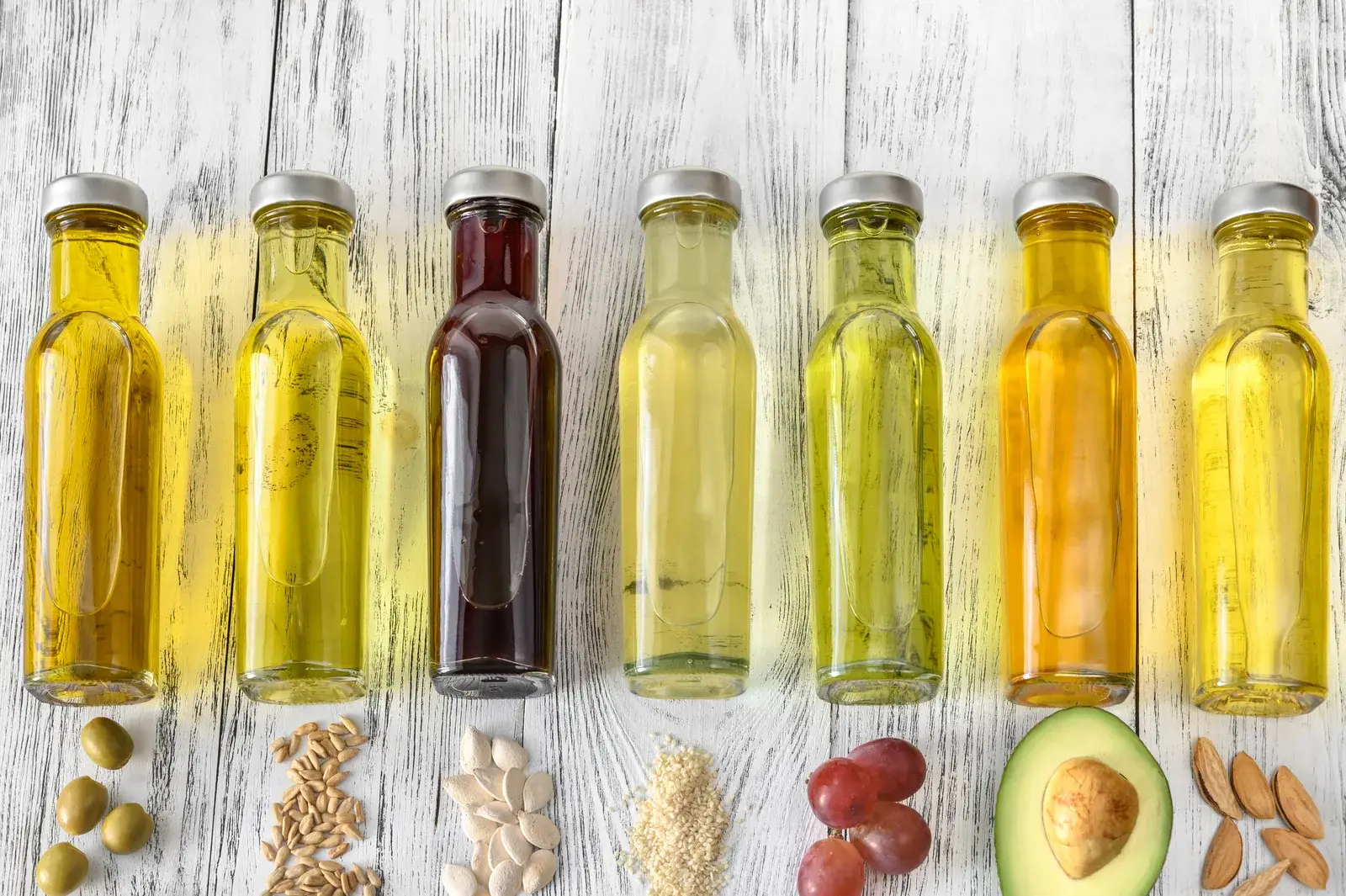
The British Heart Foundation says no single food is a superfood, olive oil included. The benefit comes from the whole pattern, with lots of plants, fish in place of some meat and fewer ultra-processed foods. It also says red wine isn’t what makes the diet good for you, and isn’t recommended for heart health.

What to check on a UK label

Saturates

Where to find it
Nutrition table, under fat, and the front-of-pack traffic light if there is one
What to look for
NHS bands per 100g: 1.5g or less is low (green), over 5g is high (red).

Salt

Where to find it
Nutrition table and the traffic light
What to look for
NHS bands per 100g: 0.3g or less is low, over 1.5g is high.

Fibre

Where to find it
Nutrition table, if the maker includes it
What to look for
More is better. 3g per 100g is a “source of fibre” and 6g is “high fibre”.

Which oil

Where to find it
Ingredients list
What to look for
Olive or rapeseed oil rather than palm oil. Refined oils have to name the plant they come from.

Hydrogenated fat

Where to find it
Ingredients list
What to look for
“Fully hydrogenated” or “partly hydrogenated” next to an oil or fat. Leave it on the shelf.

Processed meat and added sugar

Where to find it
Ingredients list, which runs from most to least by weight
What to look for
Bacon, ham, salami, sausage, and sugars like glucose syrup or dextrose near the start.
Under the hood

How Bite Insight works this out

Mediterranean Diet doesn’t have a headline rating, because the diet is about your whole week of food rather than any one product. It does two things instead. It reads the ingredients list and marks processed meat, hydrogenated fat, refined starch and added sugar as harmful for your profile. And it moves the lines in the Nutrition tab. Saturated fat is Low at 1.5g or less per 100g, Moderate up to 5g and High above that. Salt is Low at 0.2g or less, Moderate up to 0.8g and High above that, which is stricter than the traffic lights.

Bite Insight gives general food information, not medical advice. The ingredient flags and Nutrition tab lines are the app’s own guide. If you’re changing your diet because of a heart condition, high cholesterol or diabetes, your GP or a dietitian can help you plan it.

Built around your diet

Bite Insight doesn’t give everyone the same results. Add Mediterranean Diet to your profile once and every scan checks the things that don’t fit.

Saturated fat High

A tighter line on saturated fat

In the Nutrition tab, saturated fat over 5g per 100g shows as High. Without the Mediterranean profile, the app doesn’t call it High until it passes 17.5g.

Your lines
Salt
1.1g / 100g High
Fibre
7.2g / 100g High

Salt judged more strictly

Salt over 0.8g per 100g shows as High, where the usual line is 1.5g. Fibre sits in the same table, and there more is better, so a high figure shows in green.

Flag feature preview, decorative

Flag ingredients you want to avoid

plus

Processed meat, hydrogenated fat and added sugar are already flagged for free. With Bite Insight+ you can add anything else you’d rather skip, like palm oil or butter, and it gets picked out on every scan.

Feature spotlight

Saturated fat on the traffic light lines

With Mediterranean Diet in your profile, the saturated fat row in the Nutrition tab uses the same per 100g lines as the NHS traffic lights. So a product that would get a red light on the front of the pack shows as High in the app, even when the maker hasn’t printed one.

Low 1.5g or less of saturated fat per 100g
Moderate Over 1.5g, up to 5g per 100g
High Over 5g per 100g
Saturated fat icon at Low

From scan to confidence in seconds

No more guessing whether the “Mediterranean” on the front means anything.

Scanning a food product barcode with a smartphone

Scan the barcode

Point your camera at the barcode, in the supermarket or at home. Or search for the product by name.

Bite Insight app showing flagged ingredients for a Mediterranean diet

Get your insights

Bite Insight checks the product against your Mediterranean Diet profile and shows what matters. Any processed meat, hydrogenated fat or added sugar in the ingredients, the saturated fat and salt on your lines, and anything on your own avoid list.

A bowl of salad

Shop with confidence

Fill your basket with food that fits the way you want to eat, without reading every label in the aisle.

Where you shop

Use it in the supermarkets you already go to

Bite Insight works with food from the big UK supermarkets, own-brand ranges included. If you shop in the UK, pick your supermarket in the app and swaps from that shop are shown first.

  • Tesco
  • Sainsbury’s
  • Asda
  • Morrisons
  • Aldi
  • Lidl
  • Waitrose
  • Co-op
  • M&S

Bite Insight isn’t linked to any of these supermarkets.

Start free. Upgrade when you’re ready.

The tools for shopping the Mediterranean way are free. Ingredient flags, tighter limits for saturated fat and salt, and the full nutrition table on every scan.

Select a version

Everything you need to spot what doesn’t fit while you shop.

Bite Insight includes

Ingredient flags for processed meat, hydrogenated fat, refined starch and added sugar

Stricter nutrition lines for saturated fat and salt

Full nutrition breakdown including saturated fat, salt and fibre on every scan

200,000+ UK food and drink products

Free

No subscription or payment details required.

Get the free app

Extra tools for planning meals and shopping for the whole household.

Bite Insight+ includes

Flag anything else you’d rather skip
Family profiles so you can scan for others too
Global barcode scanning
Access to over 4.9 million products worldwide
Plan your meals for the week with the meal planner
Plus everything in the Free version
£3.99/ month

Subscription renews automatically. Cancel anytime.

Upgrade to Bite Insight+

Common questions

About using Bite Insight to follow a Mediterranean diet.

Yes. Bite Insight is a free app that scans UK supermarket food. Add Mediterranean Diet to your profile and it flags processed meat, hydrogenated fat, refined starch and added sugar in the ingredients. The Nutrition tab also marks saturated fat as High above 5g per 100g and salt above 0.8g. There’s no scan limit on the free version.

It’s a way of eating based on the traditional diets of countries around the Mediterranean Sea. The British Heart Foundation describes it as lots of vegetables, fruit, beans, lentils, wholegrains, nuts and seeds, with fish, some poultry and dairy, and less red and processed meat. Olive oil is used in place of butter and other saturated fats.

No. The diet is about everything you eat over the week, so a single product score wouldn’t mean much. Instead the app flags ingredients that don’t fit and uses stricter lines for saturated fat and salt in the Nutrition tab. You still see the Nutri-score where a product has one.

Processed meats such as bacon, ham, salami, pepperoni and sausage. Hydrogenated fat, margarine and shortening. Refined flour, cornflour and modified starch. Added sugars like glucose syrup, corn syrup and maltodextrin, and artificial colours and flavourings. Each one shows under Flagged ingredients as harmful for your profile.

No. The British Heart Foundation says no single food is a superfood, olive oil included. Using it instead of butter, lard or ghee helps, but the benefit comes from the whole pattern. That means plenty of plants, fish in place of some meat and fewer ultra-processed foods.

The NHS advises people who eat more than 90g of red and processed meat a day, cooked weight, to cut down to 70g or less. A Mediterranean diet usually has less than that. Processed meat includes bacon, ham, sausages and salami, which Bite Insight flags with this profile.

Yes. You can add as many conditions, allergies and diets as you need, and every scan takes them all into account. Conditions add their own ratings, so high cholesterol gives you a Saturated fat rating and high blood pressure gives you one for sodium. For saturated fat and salt in the Nutrition tab, the strictest line from anything in your profile is the one used.

No. Bite Insight gives food information to help you choose in the shop. It isn’t a substitute for advice from your GP or a dietitian. If you’re changing how you eat because of a heart condition or diabetes, ask them how to make it work for you.