


Look for fermented and aged ingredients
Allergy UK lists sauerkraut, miso, tempeh, aged cheese and cured meat as high in amines. On a label that shows up as words like fermented, matured, cured or smoked, and as soy sauce, vinegar or yeast extract.
Food labels don’t show histamine. Scan the barcode with Bite Insight, a free app for UK supermarket food, and it flags ingredients that are often high in it, like vinegar, aged cheese, cured meat and tomato puree. Tolerance varies from person to person, so treat it as a first check.

There’s no line on a pack that tells you how much histamine is inside. You go by the ingredients instead, and by what you’ve learned about your own triggers. Even then the same food can vary, because histamine builds up as food is fermented, aged or stored.
Allergy UK says there are currently no reliable tests. The British Dietetic Association says a blood test for the DAO enzyme exists but can’t confirm it on its own. Diagnosis comes from cutting foods out and adding them back.
Allergy UK and the BDA both suggest cutting out high histamine foods for 2 to 4 weeks, then bringing them back one at a time with a food and symptom diary. A dietitian can help keep the diet balanced.
The Food Standards Agency’s 14 allergens must be emphasised on prepacked food. Histamine intolerance isn’t an allergy, so nothing on the pack has to point it out. You read the ingredients list instead.
A UK label won’t give you a histamine figure. What it does give you is the ingredients list, in order from most to least. Fermented, aged, cured and pickled ingredients are the ones to look for. The BDA points out there’s no agreed list of high histamine foods, so use it alongside what you know about your own triggers.
It’s under Allergies, and you can add it when you sign up or later in settings. You can add other allergies and conditions alongside it, and every scan checks them all.
If the ingredients include something on the app’s histamine list, a red Warning card names the first one it found, and every matching ingredient is marked as harmful under Flagged ingredients. With no ingredient list, it tells you it couldn’t check.
No card doesn’t mean low histamine. Freshness matters too.
Allergy UK lists sauerkraut, miso, tempeh, aged cheese and cured meat as high in amines. On a label that shows up as words like fermented, matured, cured or smoked, and as soy sauce, vinegar or yeast extract.

Ingredients run from most to least by weight. Tomato puree near the top of a sauce is a lot more than a splash of vinegar at the end. How much you can handle is personal, and your food diary is the best guide.

The BDA says freshness, storage and processing all change how much histamine a food has, and Allergy UK lists canned, smoked and dried fish as high. A label can’t show any of this, so the use-by date and how you store food matter.

Allergy UK lists wine (especially red), champagne, beer and cider as high. The BDA adds that alcohol can slow the breakdown of histamine. Coffee, cocoa and chocolate are on Allergy UK’s list as well.
There’s no agreed list of high histamine foods, so Bite Insight leans towards flagging. Along with fermented and aged foods it flags walnuts, cashews and peanuts, cocoa and chocolate, and some additives such as citric acid (E330), sodium benzoate (E211) and MSG (E621). Citric acid is in a lot of products, so expect plenty of flags. It doesn’t flag fresh tomatoes, spinach, aubergine or citrus fruit, which Allergy UK lists. If a flag doesn’t match your experience, go by your diary and your dietitian.


There’s no histamine score, because no label gives a number to work from. The app reads the ingredients list and matches it against its own list of ingredients that are often high in histamine. That covers fermented foods, vinegars, aged cheeses, cured meats, canned and smoked fish, yeast extract, processed tomato, alcohol, chocolate, some nuts and some additives. It only uses the product name when there’s no ingredient list. It can’t tell how fresh a food is, and it never tells you a product is low in histamine.
The Warning and Not checked cards and the ingredient flags are free, with no scan limit. Flagging your own triggers is part of Bite Insight+ at £3.99 a month. Compare Free and Bite Insight+
Bite Insight gives general food information, not medical advice. Histamine intolerance is hard to diagnose and some of its symptoms overlap with allergy, so see your GP before you cut foods out. A long-term low histamine diet can be restrictive, and a dietitian can help you keep it balanced. If you have swelling of the lips or throat or trouble breathing, call 999.
Bite Insight doesn’t give everyone the same results. Add Histamine Intolerance to your profile once and every scan checks the ingredients for it.
If a product has an ingredient on the histamine list, a red Warning card at the top of the results names it. You don’t have to scroll through the ingredients to find out.
Each matching ingredient is listed under Flagged ingredients, so you can see if it’s one thing near the end of the list or several near the top.
The app’s list leaves out some foods Allergy UK names, like spinach, aubergine and strawberries. If your diary points to one of them, add it to your own list and you’ll see an orange Flagged card whenever it turns up.
There’s no histamine score. The app shows a card at the top of the results when it finds something that matters to you, and marks the ingredients behind it.

A quick first check in the aisle. Your own food diary still has the final say.
Point your camera at the barcode, in the supermarket or at home. Or search for the product by name.
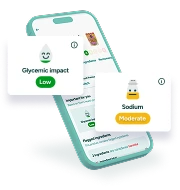
Bite Insight reads the ingredients against your Histamine Intolerance profile and marks anything that’s often high in histamine, plus anything on your own avoid list.
Spend less time reading small print, and keep notes on what actually agrees with you.
Where you shop
Bite Insight works with food from the big UK supermarkets, own-brand ranges included. If you shop in the UK, pick your supermarket in the app and swaps from that shop are shown first.







Bite Insight isn’t linked to any of these supermarkets.
The histamine checks are free. Warnings, ingredient flags and the full ingredients list on every scan.

Everything you need to spot likely high histamine ingredients while you shop.
Histamine warnings a card at the top when an ingredient matches
Flagged ingredients every match marked in the ingredients list
Full nutrition breakdown and ingredients on every scan
200,000+ UK food and drink products
No subscription or payment details required.

Extra tools for tracking your own triggers and shopping for the household.
Subscription renews automatically. Cancel anytime.

UK shelves are full of kombucha, kefir and live yoghurt, but the word probiotic is barely allowed on any label. Here's what the evidence actually shows.


A third of Brits try Dry January, but here's what alcohol actually does to your vitamins, sleep and heart health year round.

Most E numbers are harmless, but a few, like the Southampton Six and nitrites in bacon, have real evidence behind them. Here's what to actually watch for.
About using Bite Insight with histamine intolerance.
Yes. Bite Insight is a free UK app that reads the ingredients of a product when you scan the barcode. Add Histamine Intolerance to your profile and it flags ingredients that are often high in histamine, like vinegar, aged cheese, cured meat, soy sauce and yeast extract. A red Warning card sits at the top of the results. There’s no scan limit. It can’t measure histamine, so use it alongside your own food diary.
No. Histamine intolerance isn’t an allergy, and histamine isn’t one of the 14 allergens that must be emphasised on UK labels. There’s no histamine figure on the nutrition table either. The ingredients list is the best clue you’ve got, and how fresh the food is matters too.
There’s no simple test. Allergy UK says there are currently no reliable tests, and the BDA says a DAO blood test can’t confirm it on its own. Diagnosis usually means cutting out high histamine foods for 2 to 4 weeks, then adding them back one at a time while you keep a diary. The BDA says a true allergy should be ruled out first, so start with your GP.
Allergy UK lists fermented foods like sauerkraut and miso, aged cheese, cured meat, canned and smoked fish, tomatoes, spinach, aubergine, citrus fruit, strawberries, nuts, chocolate, and alcohol, especially red wine. The BDA notes that lists vary a lot and there’s no agreed one. Allergy UK says amines build up as food ferments, ages or starts to spoil, so freshness counts too.
Fermented foods, vinegars, aged cheeses like parmesan and cheddar, cured and processed meats, canned and smoked fish, yeast extract, processed tomato like puree and paste, alcohol, cocoa and chocolate, walnuts, cashews and peanuts, and some additives including citric acid, sodium benzoate and MSG. It doesn’t flag fresh tomatoes, spinach or citrus fruit.
Tolerance is personal, and Allergy UK says it can shift with stress, hormones, illness and medication. Bite Insight uses a wide list so it doesn’t miss likely triggers, which means some flags won’t apply to you. Citric acid in particular turns up in a lot of products. Treat a flag as a prompt to check, and go by your diary.
Yes, with Bite Insight+ at £3.99 a month. Add any ingredient to your own list, like spinach or strawberries, and you’ll see an orange Flagged card whenever it’s in a product you scan. The histamine warnings and ingredient flags stay free.
No. Bite Insight gives food information to help you choose in the shop. A low histamine diet can be restrictive, and the BDA says it should be done with support so you don’t miss out on nutrients. Ask your GP about a referral to a dietitian, and check with a pharmacist if you think a medicine might be playing a part.