

It is that time of year again. The invites are stacking up, the fridge has a bottle of fizz in it for "just in case," and somewhere at the back of your mind is a quiet plan to go dry in January to make up for it. Most of us think about alcohol in terms of units or hangovers, but rarely in terms of nutrition. That is a shame, because what a drink does to your body goes well beyond a headache the next morning. It changes what you absorb, what you store, how you sleep and even what you end up eating afterwards.
None of this is about telling you to put the glass down for good. It is about understanding what is actually happening so you can make better choices around the drinks you already enjoy, especially over a party season that runs from the first office do in late November right through to New Year.
1 in 3 UK adults now takes part in Dry January, with some trackers calling this year's the biggest on record
Yet the average person who tries it only lasts around 10 days before the first drink creeps back in
What is actually in your glass
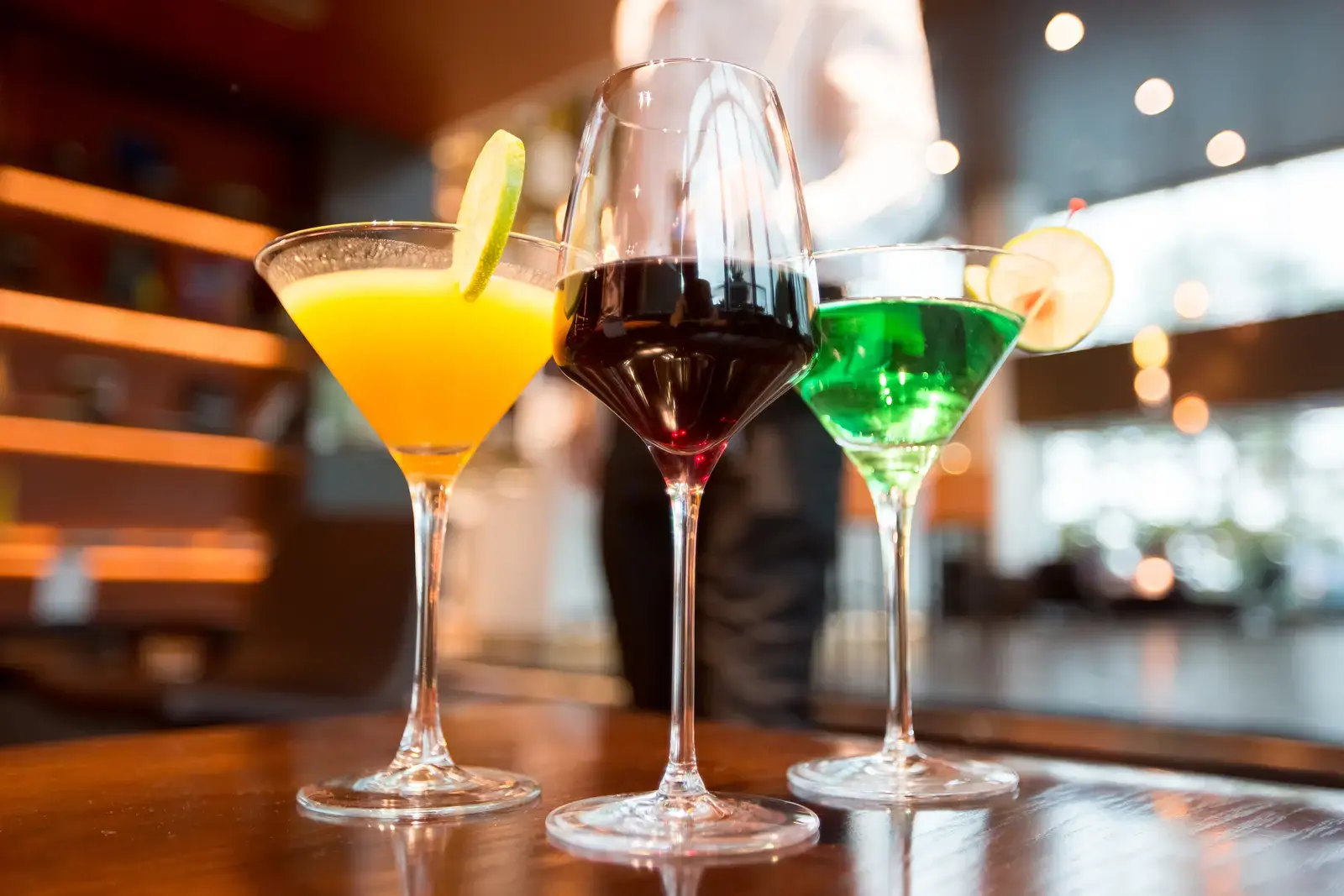
Start with the basics, because most people underestimate both the calories and the units in their usual order. The NHS puts a pint of 5.2% lager at around 222 kcal, and a standard 175ml glass of 12% wine at up to 158 kcal. A small 125ml glass of prosecco comes in lower, at roughly 90 to 110 kcal, while a 50ml measure of a cream liqueur like Baileys sits around 150 to 165 kcal, which is a lot for such a small glass.
Sugar tells a slightly different story. Lager, wine and prosecco are all relatively low in sugar on their own, typically under 3g a serving. The real sugar hit usually comes from what you mix with them. A gin and tonic made with full sugar tonic, a rum and cola, or a sweet cocktail can easily carry more sugar than the spirit itself. If you are watching your sugar intake, the mixer matters as much as the measure.
| Drink | Typical serving | Approximate calories | Units |
|---|---|---|---|
| Lager (5.2%) | 1 pint | 222 kcal | 3.0 |
| Wine (12%) | 175ml glass | 158 kcal | 2.1 |
| Prosecco (12%) | 125ml glass | around 100 kcal | 1.5 |
| Cream liqueur (17%) | 50ml glass | around 155 kcal | 0.85 |
| Gin and sugary tonic | single + mixer | varies, often 150 to 200 kcal | around 1.0 |
None of these numbers include the crisps, nuts or kebab that so often follow. It is also worth saying that alcohol itself provides calories with essentially no nutritional value, no protein, no fibre, almost nothing your body can actually use beyond energy. Nutritionists sometimes call it "empty calories" for exactly that reason.
The vitamins and minerals it quietly drains
This is the part most people have never been told. Alcohol does not just sit in your body as spare calories. It actively changes how you absorb and hold onto several key nutrients, and the effect is strongest with the B vitamins.
Your liver needs thiamine, folate and other B vitamins to process alcohol, which means more of them get used up the moment you drink. On top of that, alcohol irritates the gut lining and reduces how well you absorb calcium, zinc, iron and magnesium from food. It is also a mild diuretic, so some of what you have already absorbed, particularly zinc, magnesium and potassium, gets flushed out in urine faster than usual.
Researchers are honest that most of the detailed evidence here comes from people who drink heavily over long periods, and the picture for someone having a few drinks at a Christmas party is far less dramatic. Even so, the mechanism is well established, and it explains why heavy drinkers are so often found to be short on thiamine and folate specifically, two nutrients your nervous system and red blood cells rely on.
Absorption
What gets blocked
Alcohol irritates the gut lining, so less calcium, zinc, iron and magnesium make it from your food into your bloodstream in the first place.
Processing
What gets used up
Breaking alcohol down in the liver burns through B vitamins, especially thiamine and folate, faster than normal.
Loss
What gets flushed out
Alcohol's diuretic effect means more zinc, magnesium and potassium leave the body in urine than they would otherwise.
The practical takeaway is simple enough. If you know you have a few big nights coming up, it is worth making sure the days either side of them include something with B vitamins (wholegrains, eggs, leafy greens), zinc (meat, seafood, pulses) and magnesium (nuts, seeds, dark chocolate). It will not undo a hangover, but it helps your body top back up.
Why your sleep feels worse than the night suggests
Alcohol has a reputation as a sleep aid, and in one narrow sense that is true. It can help you fall asleep faster. The problem is everything that happens afterwards. A review of sleep studies found that while small doses barely change things, moderate and high doses consistently reduce how much REM sleep you get across the night, and delay when your first proper REM period arrives. The second half of the night tends to be far more disrupted than the first, which is why you can go to bed feeling pleasantly drowsy and still wake at 4am feeling wired and parched.
REM sleep is when your brain does a lot of its memory processing and emotional regulation, so a night of broken REM genuinely does leave you feeling worse the next day, on top of any direct hangover symptoms. This is part of why "I only had three drinks but I feel awful" is such a common complaint. The headache and nausea get the blame, but a chunk of that rough feeling is simply bad sleep architecture.
The red wine myth, and why scientists have changed their minds
Light to moderate drinkers tend to lead healthier lifestyles overall than people who abstain, including more exercise, better diets and less smoking, which may explain the apparent heart benefit rather than the alcohol itself.
For years, "a glass of red wine is good for your heart" was treated as settled science, largely on the back of large observational studies that found moderate drinkers had lower rates of heart disease than non drinkers. The explanation on offer was usually resveratrol, a compound in grape skins.
That explanation has not held up well. Genetic studies, which sidestep the problem of moderate drinkers simply having healthier habits in general, have repeatedly found either no heart benefit from alcohol or an outright harmful one, at every level of consumption tested. A large UK Biobank analysis of over 370,000 adults found that people who drink lightly to moderately really do have healthier lifestyles across the board, more physical activity, more vegetables, less smoking, which goes a long way to explaining the old finding without needing the alcohol itself to be doing anything protective.
To be fair, this is still a genuinely contested area of research, and a large 2024 review in Nature Communications argued the picture is not fully settled either way. But the direction of travel in the last decade of research has moved firmly away from "moderate drinking protects your heart" and towards "there is no amount of alcohol that is clearly good for you." The UK's own guidance reflects this by calling 14 units a week "lower risk," never "safe."
Hangover cures people swear by, and what the evidence actually says
Does a greasy fry up soak up the alcohol?
No. Once alcohol is in your bloodstream, no amount of food in your stomach will pull it back out. A fry up might make you feel comforted and give you something other than toast and water, but there is no evidence it speeds up recovery or "soaks up" anything. Eating before and during drinking does slow how fast alcohol is absorbed in the first place, which is genuinely useful, just not after the fact.
Do electrolyte drinks actually help?
Plain water or an electrolyte drink is sensible advice because alcohol is dehydrating, but the evidence that it meaningfully speeds up hangover recovery is weak rather than proven. It is a reasonable, low risk thing to try, it is just not the guaranteed fix the packaging implies.
Does "hair of the dog" work?
Having another drink the next morning can mask symptoms by delaying the drop in blood alcohol, but it does not treat the underlying cause and simply postpones the comedown. It is one of the least evidence backed remedies out there.
Is a hangover just dehydration?
No, and this is probably the biggest myth of all. Reviews point to a mix of factors, including dehydration, disrupted sleep, inflammation and the direct effect of alcohol's breakdown products. That is also why rehydrating alone rarely fixes how you feel the morning after.
How to drink smarter this party season
Eat something substantial beforehand
Food in your stomach genuinely slows alcohol absorption, which means a gentler peak and less of a crash later.
Alternate with water or a soft drink
This naturally slows your pace, helps with hydration, and means you end the night having drunk fewer units than you otherwise would.
Check the mixer, not just the spirit
Swapping a full sugar cola or tonic for a diet or low sugar version can cut a surprising amount of sugar and calories without changing how much you drink.
Give your body a few alcohol free days each week
This gives your liver, and your B vitamin stores, a proper chance to recover rather than starting each weekend already depleted.
Top up nutrients the next day, not just water
Eggs, wholegrains, leafy greens, nuts and seeds help replace the B vitamins, zinc and magnesium that a heavy night draws down.
None of this requires giving anything up, and it does not require a dry month either, unless that genuinely works for you. It is simply about knowing what a drink is actually costing your body nutritionally, so the choices you make around it, what you eat, when you hydrate, how you space things out, can work in your favour instead of against it.
The Bottom Line
Alcohol is not just empty calories. It actively drains B vitamins, zinc and magnesium, disrupts the deep sleep your body needs to recover, and the old idea that a little of it protects your heart has not held up to closer scrutiny. Enjoy your drinks this party season, just eat well around them.