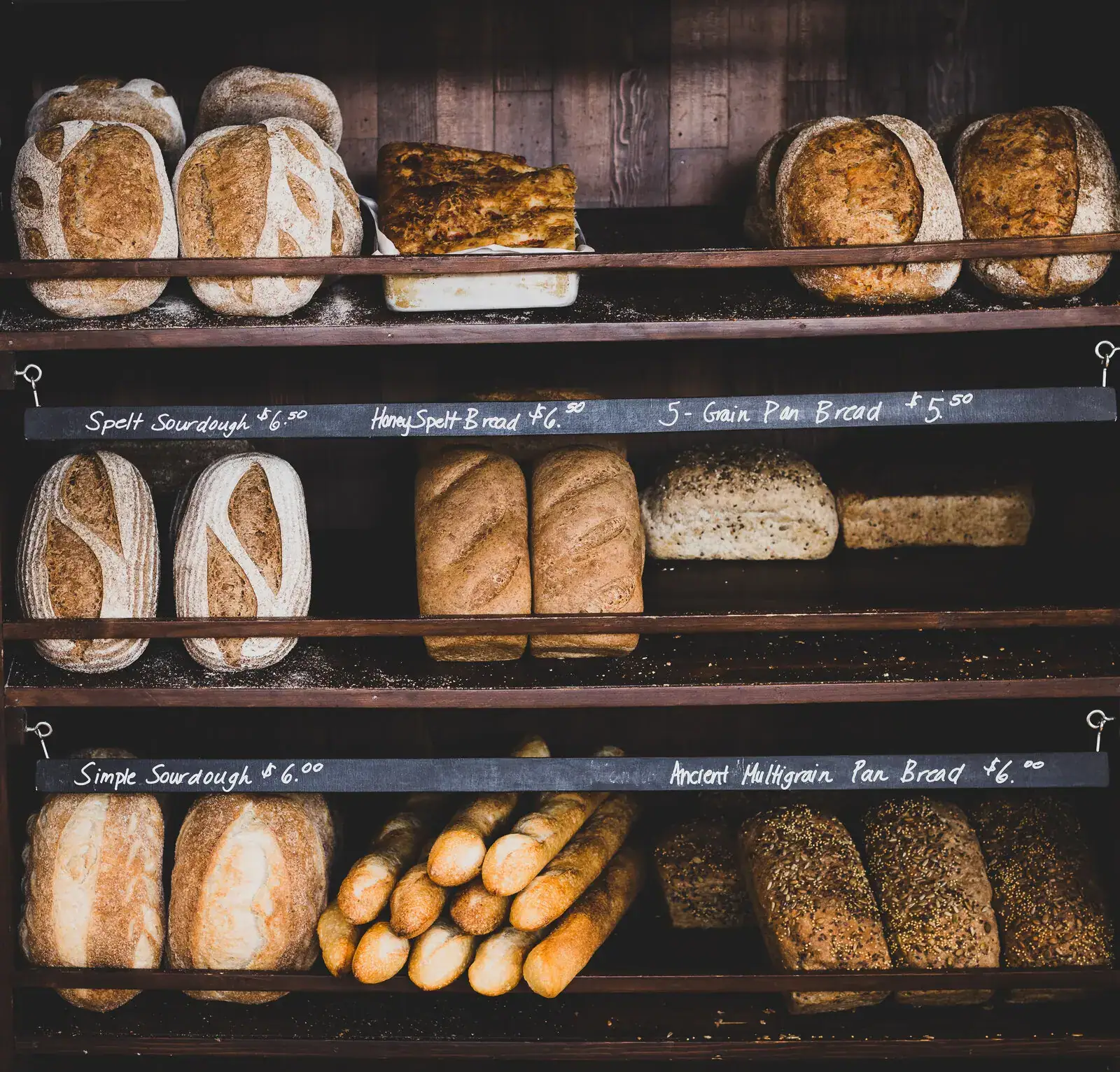

Every loaf of white bread in Britain is about to get a quiet upgrade. From this December, UK millers must by law add folic acid to non wholemeal wheat flour, the same flour behind most white bread, many baguettes, pitta, naan and a long list of everyday bakery staples. It is the biggest change to how British flour is fortified in more than eighty years, since wartime rules first added calcium, iron and B vitamins to the nation's loaf.
For most people, nothing will actually feel different. The bread will taste the same, rise the same and look the same on the shelf. But for a smaller group, women who are pregnant or might become pregnant, and in a very different way, older adults and anyone managing a vitamin B12 deficiency, it is worth understanding exactly what this law does, what it does not do, and what you might still need to handle yourself.
This is not a wellness trend or a supplement company's marketing line. It is public health policy, years in the making, aimed at one of the most common serious birth defects in the country. Here is what is actually changing.
What's Actually Changing This December
Under the new rules, all non wholemeal wheat flour sold in the UK, that is white and brown flour, but not wholemeal, will need to contain 0.25 milligrams of folic acid for every 100 grams of flour. That covers most sliced white bread, rolls, baguettes, pitta, wraps, pizza bases and a huge share of the flour used in UK bakeries and food manufacturing.
Wholemeal flour is exempt, so if you eat wholemeal bread mainly for the fibre, you will not get this particular boost from it. Very small mills, those producing under 500 tonnes of non wholemeal flour a year, are also exempt, though in practice the vast majority of flour on supermarket shelves comes from mills well above that threshold.
Some bakeries and mills have already started early, moving their white flour over ahead of the deadline. Once the rule is fully in force, if you eat white bread, rolls or anything made with standard UK flour, you will be getting a small, steady dose of folic acid without doing anything differently at all.
1 in 500 to 1,000 UK pregnancies is affected by a neural tube defect such as spina bifida
Fortifying flour is expected to cut that number by around 20%, preventing roughly 200 cases a year
Why Folic Acid Gets Its Own Law
Folic acid is the synthetic form of folate, a B vitamin your body needs to make and repair DNA and to form new cells, something that matters every day but matters enormously in the first weeks of pregnancy. A baby's neural tube, the structure that becomes the brain and spinal cord, closes by around day 28 of pregnancy. For a lot of people, that is before a pregnancy test even turns positive, let alone before a first midwife appointment.
When that closure does not happen properly, the result is a neural tube defect. Spina bifida and anencephaly are the two most recognised. They are serious, sometimes life limiting, and in the UK they affect a meaningful number of pregnancies every year. Folic acid, taken or eaten in the weeks before conception and in very early pregnancy, has one of the strongest and most consistent evidence bases in all of nutrition for cutting that risk.
Countries including the United States and Canada have fortified flour this way since the late 1990s and saw real falls in neural tube defect rates afterwards. The UK has debated doing the same for decades. This December, it finally happens.
It Won't Replace Your Own Supplement
This is the part that is easy to miss in the headlines. Fortification raises the background amount of folic acid everyone gets from everyday food. It is not designed to be the only source for anyone actively trying to protect a pregnancy, and NHS advice has not changed because of it.
If you could get pregnant, are planning a pregnancy, or are in the first 12 weeks of one, the advice remains the same as it has been for years: take a daily supplement containing 400 micrograms of folic acid, on top of whatever you get from food. Fortified flour is a helpful backstop for the general population, not a replacement for that supplement.
If you could become pregnant
Keep taking a 400 microgram folic acid supplement daily if you are trying to conceive or might be, ideally starting before conception and continuing through the first 12 weeks. Fortified bread is a bonus, not a substitute.
Everyone else
You do not need to do anything. The fortification happens at the mill, so eating normal UK bread and bakery products will quietly top up your folate intake without any action on your part.

The One Group Who Should Pay Closer Attention
Folic acid is very safe for almost everyone at normal intakes. But there is one genuine caution worth knowing, and it has nothing to do with pregnancy.
Taking high doses of folic acid can mask the warning signs of a vitamin B12 deficiency, even while the underlying nerve damage from that deficiency keeps progressing.
Folate and B12 work together to make healthy red blood cells. A B12 deficiency causes a type of anaemia that looks almost identical, on a basic blood test, to a folate deficiency. If someone with low B12 takes a lot of extra folic acid, it can correct that anaemia and hide the obvious clue a doctor would normally look for, while the nerve related effects of the B12 deficiency, which can include numbness, balance problems and memory issues, continue quietly in the background.
This matters most for older adults, because the ability to absorb B12 from food naturally declines with age, and for anyone following a vegan or largely plant based diet, since B12 occurs almost entirely in animal foods. British dietetic guidance already advises adults over 50 not to take folic acid supplements above the normal recommended intake of 200 micrograms a day without medical advice, precisely because of this overlap.
None of this is a reason to worry about the fortified bread itself. The amount added to flour is small and spread across the whole population, not a high dose supplement. The caution applies to people taking folic acid supplements on top of fortified food, particularly at doses well above 200 micrograms a day, without having checked their B12 levels first. If that describes you, and especially if you are over 50 or eat a vegan diet, it is worth asking your GP for a simple B12 check.
Where Folate Already Hides In Your Diet
Fortification is a floor, not a ceiling. Plenty of ordinary foods are naturally rich in folate, and eating more of them is a sensible move whether or not you eat much bread.
| Food | Approximate folate per 100g |
|---|---|
| Spinach, cooked | around 150 micrograms |
| Broccoli | around 100 micrograms |
| Brussels sprouts | around 90 micrograms |
| Peas | around 40 to 65 micrograms |
| Chickpeas and lentils | around 60 to 90 micrograms |
| Oranges and orange juice | around 30 to 50 micrograms |
| Fortified breakfast cereal | varies widely, always check the label |
Liver is one of the richest natural sources of folate of all, but it is also very high in vitamin A, so the long standing UK advice is to avoid it completely during pregnancy. Leafy greens, pulses and citrus fruit are the safer everyday way to build folate into meals, pregnant or not.

What To Actually Do Now
Keep your supplement going if you are trying to conceive
Fortified flour does not change NHS advice to take 400 micrograms of folic acid daily before and during early pregnancy.
Remember wholemeal bread is exempt
If you mostly eat wholemeal for the fibre, you will not get this particular folic acid boost from it, so lean on other folate rich foods too.
Check in on B12 if you are over 50 or vegan
Ask your GP for a B12 check before taking folic acid supplements well above 200 micrograms a day on your own.
Eat the real food sources too
Leafy greens, pulses and citrus fruit all add folate on top of whatever fortified flour already gives you.
Common Questions
Does this affect wholemeal bread too?
No. The law covers non wholemeal wheat flour only, which means white and brown flour. Wholemeal flour is exempt from mandatory fortification.
Will my usual loaf taste or look any different?
No. The amount of folic acid added is tiny, 0.25 milligrams per 100 grams of flour, and has no effect on taste, texture or appearance. You are extremely unlikely to notice anything has changed.
Is the UK behind other countries on this?
Yes, by a few decades. The United States, Canada and more than 60 other countries introduced similar flour fortification in the 1990s and saw clear falls in neural tube defect rates afterwards. The UK has discussed doing the same since at least the early 2000s.
I already take a multivitamin with folic acid in it. Do I need to change anything?
Most standard multivitamins contain folic acid at or below the recommended daily amount, so fortified flour simply adds a small amount on top. If you are over 50 and take a supplement containing significantly more than 200 micrograms of folic acid a day, it is worth mentioning to your GP alongside a B12 check, just to be thorough.
Why is the fortification level set so low?
The level chosen, 0.25 milligrams per 100 grams, balances meaningful protection against neural tube defects with keeping everyone's total folic acid intake within a safe range, including people who do not need any extra at all. Some scientists have argued for a higher level to prevent more cases, so this is likely to remain a live debate even after the law takes effect.
The Bottom Line
Fortified flour is a quiet, population wide safety net, not a reason to change your own habits. If you could get pregnant, keep taking your folic acid supplement regardless. If you are over 50 or vegan and already supplementing above the normal amount, get your B12 checked. Everyone else can just keep eating bread as usual, slightly better protected without having to think about it.